You cannot trust a regime that has built its survival on deception. Iran's theocracy has practiced the art of lying and concealment for decades, and Tuesday delivered yet another textbook illustration.
Following talks in Switzerland, US Vice President JD Vance announced that Iran had "agreed to invite back inspectors" from the International Atomic Energy Agency, describing it as "a major step" and "a first move toward definitive denuclearization."
Tehran's response came within hours: a flat denial.
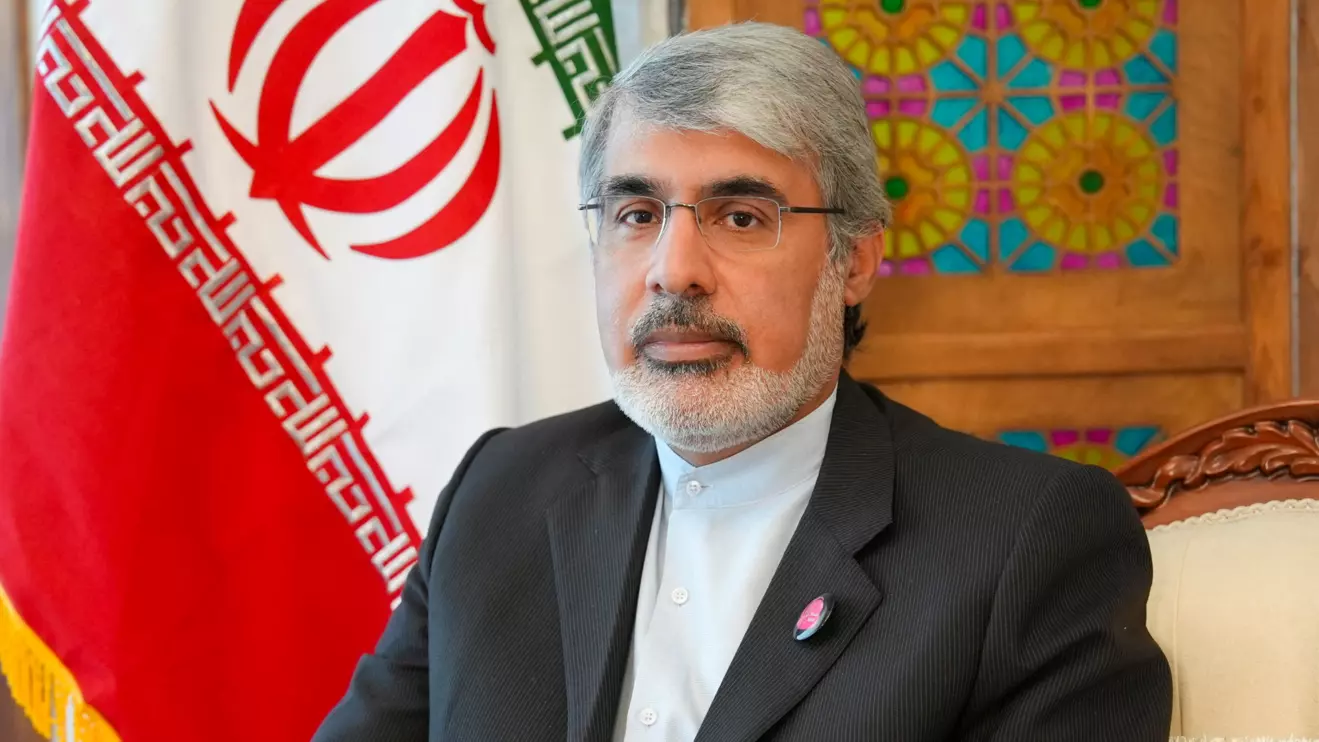
"We have not had a meeting with IAEA Director General Rafael Grossi," declared Iranian foreign ministry spokesman Esmaïl Baghaï.
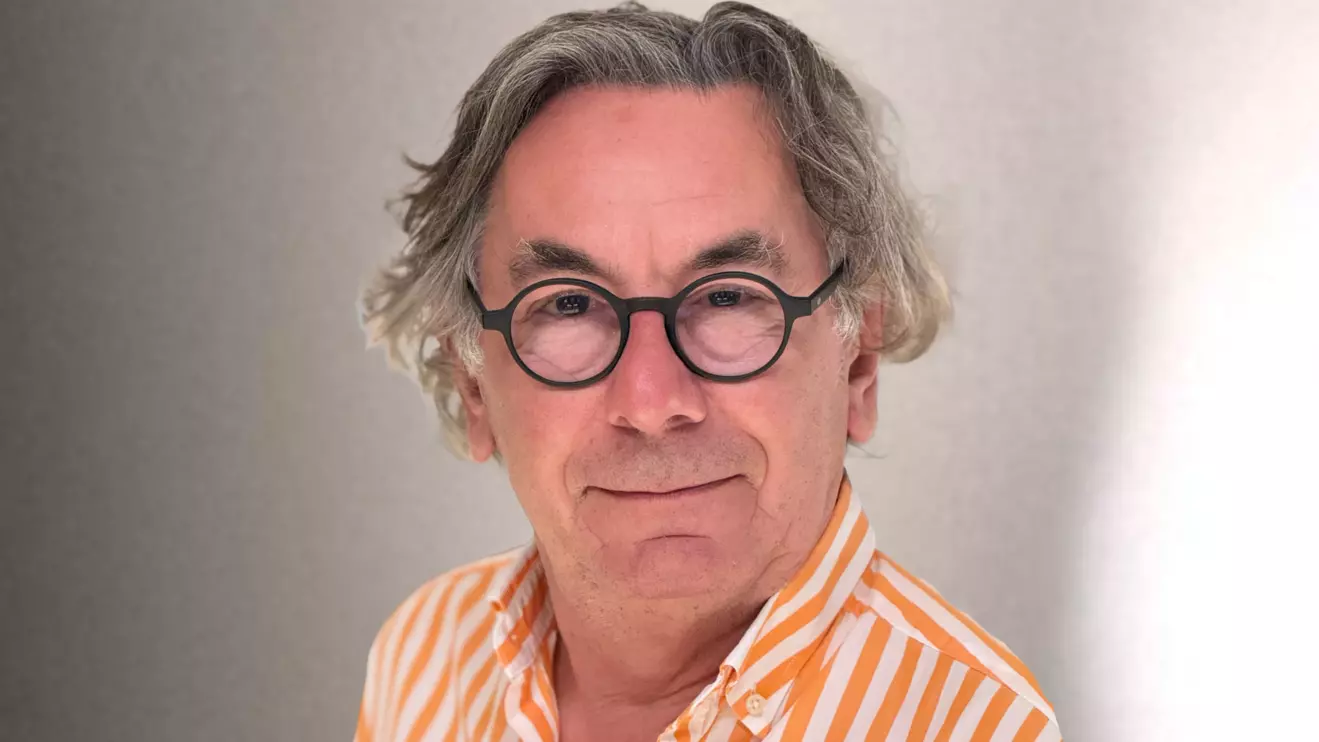
"We do not plan for the Agency to inspect Iranian nuclear facilities damaged by American and Zionist military aggression." Iran's UN ambassador in Geneva was equally blunt: any such information is "erroneous."
The Art of the Iranian Contradiction
This is not a misunderstanding. This is a pattern. The Islamic Republic has elevated the art of saying one thing to foreign interlocutors and doing another to a governing principle. Tehran suspended IAEA cooperation entirely in July 2025, only to partially restore it in September, while continuing to block access to the very sites bombed by Israel and the United States at Fordo, Natanz and Isfahan.
Inspectors have visited the Bushehr nuclear power plant. They have not been allowed anywhere near the damaged facilities. Iran cites "security concerns." What it means is: we have something to hide.
The entire premise of the US-Iran framework rests on Iran's commitment to transparency about its nuclear programme. If Tehran will not allow inspectors into bombed sites, the most urgent verification priority of all, then the agreement is built on sand.
JD Vance called IAEA access "a first step toward definitive denuclearization." Iran called that claim false before the day was out.
For anyone still wondering whether the Islamic Republic negotiates in good faith: there is your answer.