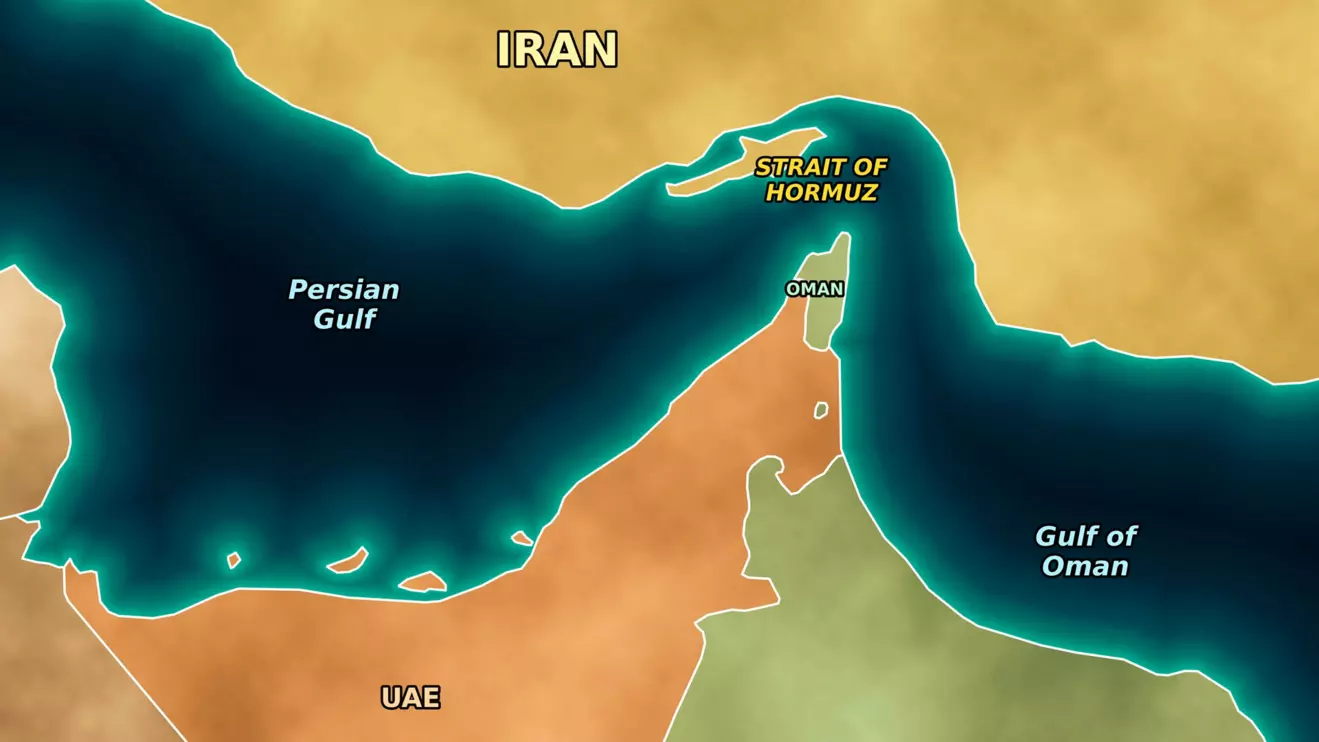
Almost half the world's oil comes from countries affected by conflict in 2026, Reuters calculations show, underscoring that current disruptions have eclipsed previous energy crises.
Six months ago, U.S. and Israeli attacks on Iran triggered what has become the largest oil supply crisis on record, with no clear end in sight.
At the same time, the Russia-Ukraine war has forced production and refining cuts, including in nearby Kazakhstan this year.
Ongoing conflict in Libya and U.S. restrictions on Venezuelan oil exports at the start of the year have added further strain.
Together, countries affected by those conflicts produced about 45 million barrels per day of oil based on 2025 output, accounting for more than 43% of global supply, according to Reuters calculations using International Energy Agency data.
The disruptions have increased the world's reliance on U.S. oil supplies, though that too has occasionally been disrupted by severe weather.
Not all of this year's supply disruptions happened at the same time.
With Saudi Arabia re-routing oil to the Red Sea and Gulf exporters sneaking oil secretly out of the Strait of Hormuz, the current Gulf oil disruption stands at around 5 million to 7 million bpd, according to analysts' estimates.
But risks to total flows remain high, as attacks in the Red Sea and near Egypt's Suez Canal in July demonstrated.
The conflicts in the Gulf and Ukraine have also cut global refining capacity by about a tenth.
Ukraine has targeted much of Russia's refining network, striking plants as far away as Omsk, about 2,700 km (1,680 miles) from Ukrainian-held territory.
Russia is grappling with fuel shortages and has banned gasoline and diesel exports, tightening global fuel markets.
Higher fuel prices have become a key driver of inflation, contributing to higher borrowing costs and helping to push U.S. debt to a record $40 trillion.
U.S. diesel prices have climbed to record levels despite refiners running at peak capacity.
The IEA has released record volumes from emergency stockpiles to help cushion the supply shock. Those releases are now largely complete, even as global inventories continue to decline.
By Seher Dareen, Anushree Mukherjee and Robert Harvey