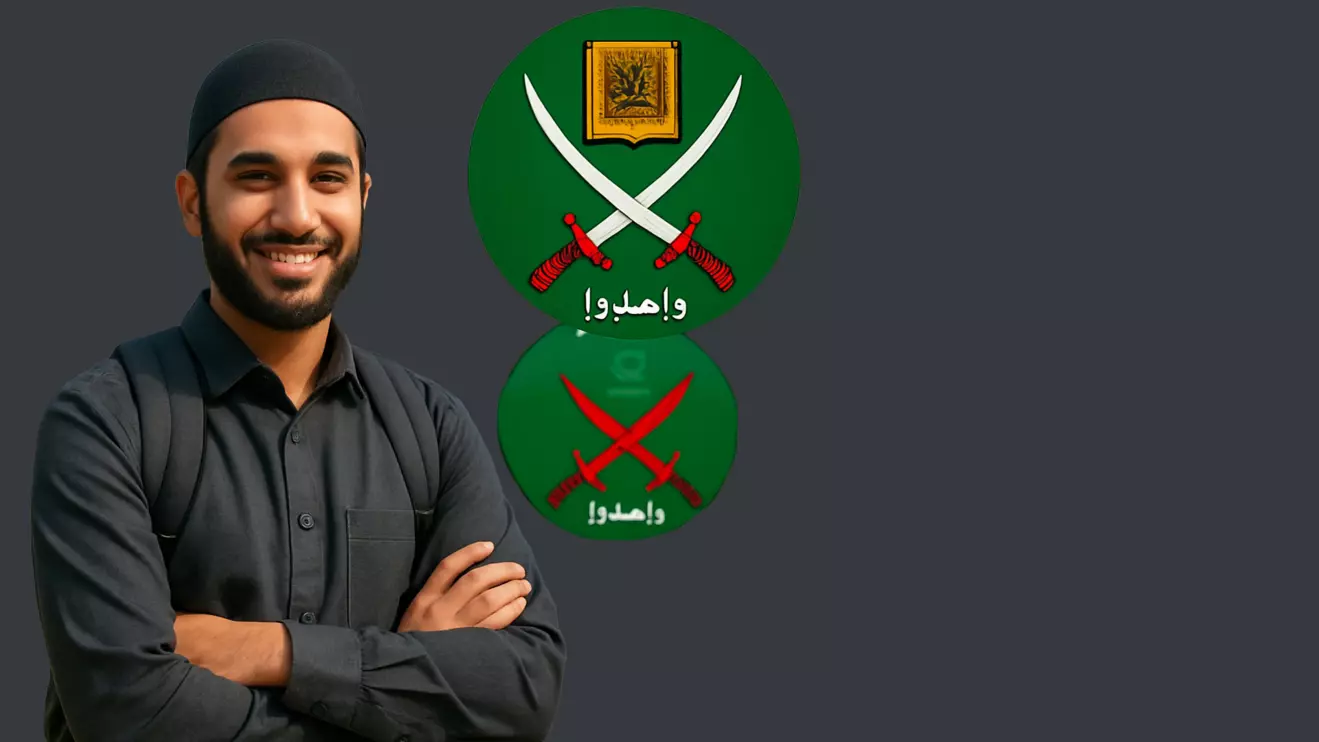
Riyadh has thrown its weight behind Washington's move to blacklist Muslim Brotherhood branches across the Middle East, marking a significant escalation in the regional crackdown on the Islamist movement.
In a statement posted on X Wednesday, Saudi Arabia's Ministry of Foreign Affairs declared that the Kingdom "condemns extremism and terrorism" and backs "all measures that ensure the security of Arab nations, the region, and the world."
The endorsement comes one day after the United States officially designated Muslim Brotherhood organizations in Egypt, Lebanon, and Jordan as terrorist entities—a move that has sent shockwaves through the Arab world and beyond.
The designation fulfills a longstanding demand from Washington's Arab allies, who have increasingly viewed the pan-Islamic Sunni movement as a destabilizing force.
Founded in Egypt in 1928, the Muslim Brotherhood once wielded considerable influence across the Arab world, but has faced mounting pressure and systematic suppression by regional powers in recent years.
President Donald Trump set the wheels in motion last November by signing an executive order initiating the designation process.
The White House statement accused the Brotherhood's branches in Lebanon, Jordan, and Egypt of "committing, encouraging, and supporting campaigns of violence and destabilization that harm their own regions, American citizens, or American interests."
The Muslim Brotherhood has already been banned in several countries, including Saudi Arabia, which has led a regional campaign against the organization.
The US Treasury Department went further, alleging that the Egyptian and Jordanian branches maintain ties with Hamas, while the Lebanese branch operates as an ally of Hezbollah.
The Turkey Factor
For years, Washington hesitated to take this step, primarily to avoid straining relations with Turkey. Turkish President Recep Tayyip Erdogan maintains a well-documented ideological affinity with the Muslim Brotherhood, and Ankara has provided sanctuary to many of its exiled members.
The decision to move forward now signals a potential recalibration of US priorities in the region, prioritizing alignment with Gulf Arab states over concerns about Turkish sensitivities.
This designation carries significant consequences. It enables the US government to freeze assets, impose sanctions, and prosecute individuals or entities providing material support to the designated organizations.
It also provides legal cover for Arab governments to intensify their own crackdowns on Brotherhood-affiliated groups.