By Canan Sevgili and Tiago Brandao
Jan 14 (Reuters) - Portuguese voters will elect a new president on Sunday in a race that opinion polls suggest remains wide-open between at least three frontrunner candidates.
If no candidate wins more than 50% of votes cast, a runoff has been tentatively set for February 8 - the first time such a vote will have been required in four decades, a reflection of how fragmented the political landscape has become.
Although the Portuguese presidency is a largely ceremonial role, it carries significant political weight at times of crises as the head of state can dissolve parliament, dismiss the government, call a snap election and veto legislation.
HOW DOES THE ELECTION SYSTEM WORK?
Outgoing conservative President Marcelo Rebelo de Sousa has been in office since 2016 and is constitutionally barred from seeking a third consecutive five-year term. He has used his power to call snap elections thrice, in 2021, 2023 and 2025.
A candidate needs to get more than 50% of valid votes to win. Voters cast ballots for a single candidate, and if no one gets 50%, the two leading candidates proceed to the runoff.
Any Portuguese citizen aged over 35 can run if they garner at least 7,500 supporting signatures and if the candidacy and the signatures are vetted by the Constitutional Court.
WHO ARE THE MAIN CANDIDATES AND WHAT ARE THEIR PLEDGES?
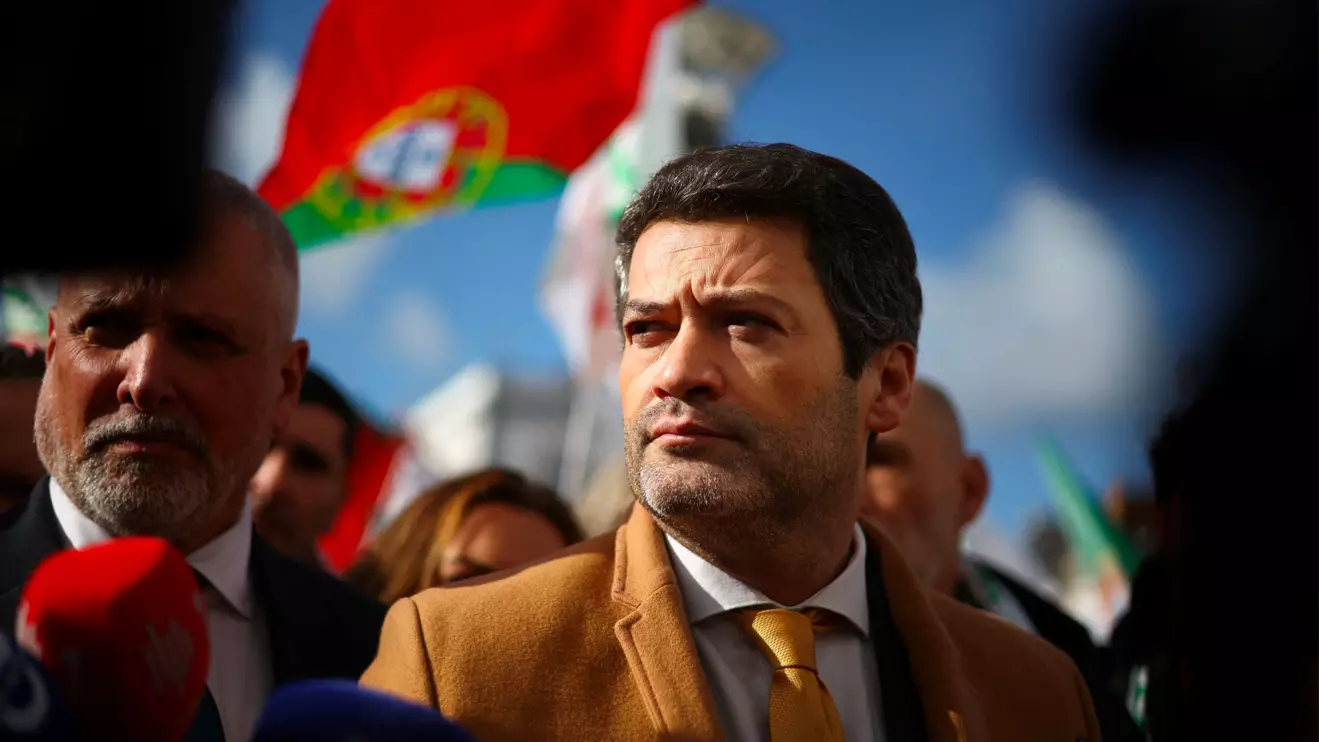
* Andre Ventura, 42. The charismatic leader of thefar-right, anti-establishment Chega party is a former sports TVcommentator who founded Chega about seven years ago and led itto become the second-largest parliamentary force last year on aplatform of fighting corruption and immigration. Analysts oftendescribe Chega as Ventura's "one-man show", a view corroboratedby the fact that Ventura is running for president after statingon many occasions that he wants to be prime minister. * Joao Cotrim de Figueiredo, 64, is a member of the EuropeanParliament from the pro-business Liberal Initiative party whichhe once led, advocating tax reductions along with moreflexibility for companies to fire and hire. On Monday, hiscampaign suffered a setback when a female ex-aide accused him ofpast sexual assault in an online post that has since beendeleted. Cotrim de Figueiredo swiftly denied the accusations,calling them an attempt to undermine his candidacy. * Antonio Jose Seguro, 63, is a former leader of theSocialist Party who quit active political life after losing theleadership in 2014 to future Prime Minister Antonio Costa.Seguro, who announced his bid for the presidency last June,casts himself as the candidate of a "modern and moderate" leftto fight against an increasingly successful populist far-right. * Retired Admiral Henrique Gouveia e Melo, 65, is the formerchief of the Portuguese Navy who rose to prominence in 2021,when he was put in charge of the country's COVID-19 vaccinationcampaign that was praised as one of the world's swiftest andmost efficient.
The only candidate without prior political experience, he says he can be a unifying figure amid growing political fragmentation and "guide the country with security and confidence".
• Luis Marques Mendes, 68, is backed by the main ruling centre-right Social Democratic Party, which he briefly led in 2005-2007 before becoming a TV political commentator. He says Portugal needs "ambition" and vows to challenge what he calls a "conformist, resigned, depressed and complacent" status quo.
By Canan Sevgili and Tiago Brandao