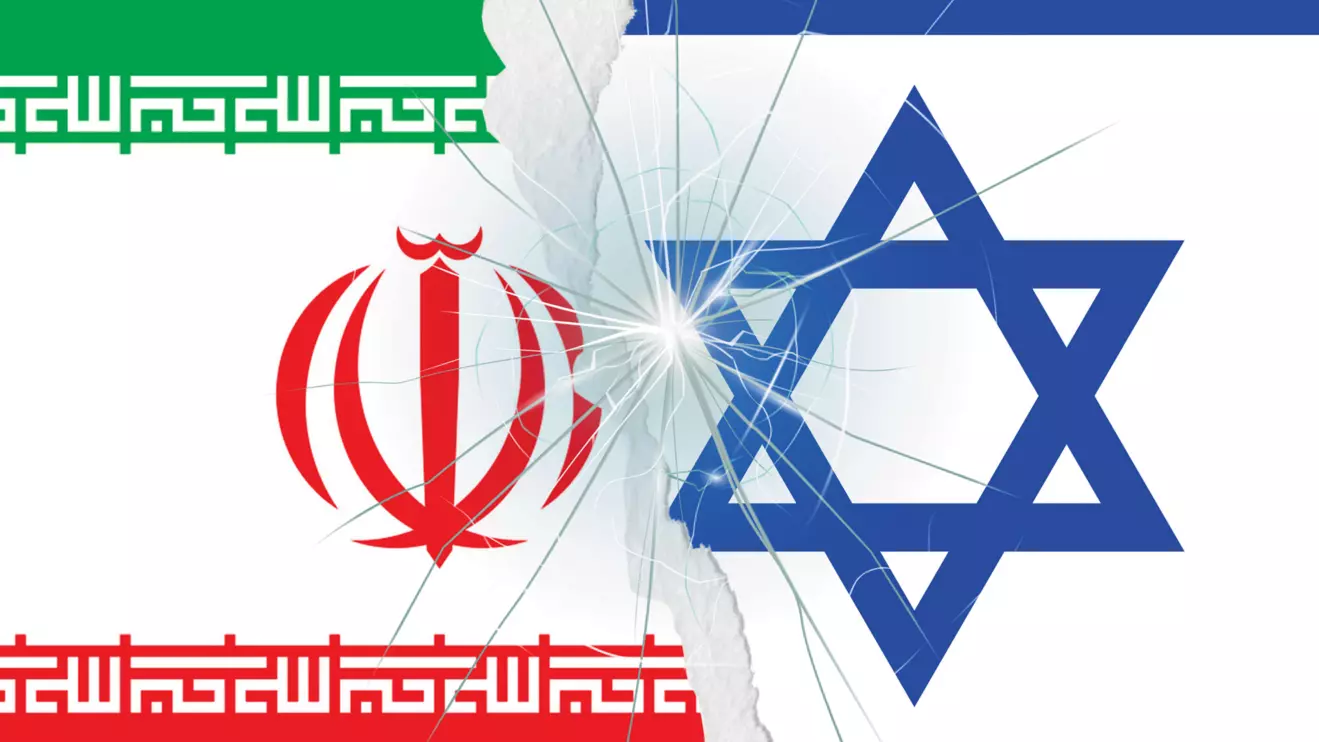
In the annals of modern warfare, rarely has the world witnessed events of such intensity and unprecedented nature as those unfolding between Israel—a nation of merely 10 million people—and its arch-genocidal enemy, an empire encompassing 92 million inhabitants.
The past four days have seen a conflict born of deep historical animosity escalate into an unparalleled confrontation, marked by technological prowess, relentless determination, and existential urgency.
Historically, wars have involved defined battlefields, predictable maneuvers, and clear objectives. Yet, the current confrontation shatters these paradigms.
Israel, driven by the imperative of survival against an adversary openly committed to its annihilation, demonstrates extraordinary military precision, technological innovation, and strategic clarity rarely observed in modern conflicts.
Conversely, Israel’s adversary, fueled by genocidal intentions, employs unprecedented methods explicitly designed to maximize psychological terror and civilian casualties.
Its massive rocket barrages, sophisticated drone warfare, and asymmetric terror attacks represent a disturbing evolution in modern warfare tactics.
The shocking events of October 7 underscored a chilling reality: Israel's enemies will pursue its destruction through any means—conventional, nuclear, chemical, or biological. This realization magnifies the urgency and gravity of Israel’s defensive efforts.
Amid this tumultuous scenario, Israeli youth at the forefront embody extraordinary dedication, courage, and selflessness. Their resilience represents the highest ideals of patriotic sacrifice and national pride, profoundly inspiring to witness.
Equally remarkable is the bravery exhibited by Israel’s civilian population. Despite daily missile attacks, the Israeli people remain resolute, showcasing unwavering strength in the face of existential threats.
"Though an army besiege me, my heart will not fear; though war break out against me, even then I will be confident." – Psalm 27:3
Israel’s military response, marked by extraordinary restraint and surgical precision, highlights a profound commitment to moral clarity.
The Iron Dome missile defense system, preventing countless casualties, exemplifies unmatched technological achievement. Israel’s precise retaliations against military targets demonstrate strategic sophistication amid existential threats.
The global community watches in uneasy awe as this conflict escalates into uncharted territory, raising crucial questions about the future of warfare. The implications extend beyond this immediate crisis, demanding a worldwide reassessment of how conflicts are understood and resolved.
These intense days are a chilling harbinger of warfare’s future—technologically advanced, ethically complex, and existentially critical. Nations and individuals alike must reflect deeply on their profound responsibilities in an era where warfare reshapes its boundaries and consequences.