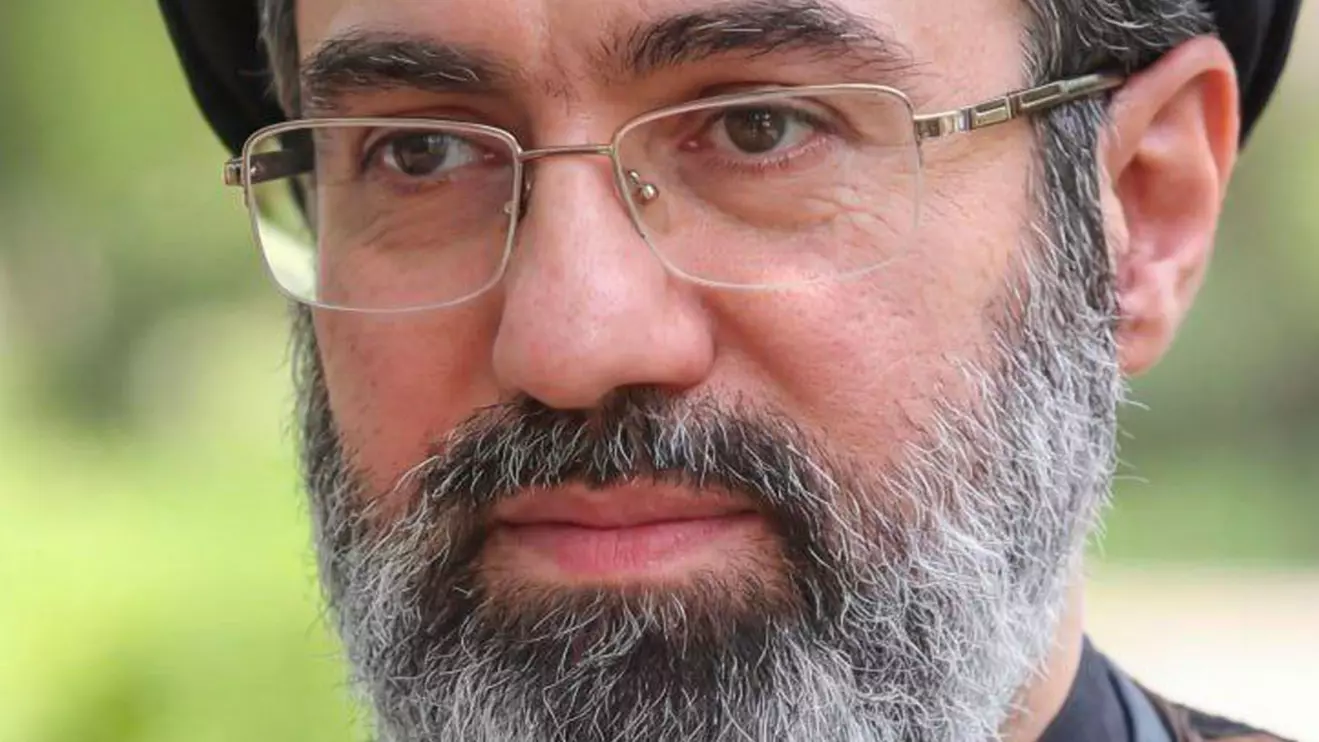
Iran's Supreme Leader Mojtaba Khamenei said in a written statement on Saturday that repeated U.S. breaches of a memorandum of understanding signed by the presidents of Iran and the United States had shown that President Donald Trump's signature was "utterly worthless and devoid of credibility."
Washington and Tehran have exchanged strikes after a ceasefire agreement fell apart last week, raising fears of a return to all-out war.
Khamenei said the United States should know that the Iranian nation and the "resistance front" had "unforgettable lessons" for it.
Mojtaba Khamenei has not been seen or heard in public since he was named Iran's new supreme leader in March, following the death of his father, Ali Khamenei, who was killed in the US-Israeli strikes that opened the war on February 28.
More than four months later, Mojtaba's continued absence, including from his own father's funeral in early July, has fueled growing speculation inside and outside Iran about his fate.
What is known comes largely from unnamed sources rather than any public appearance. Iranian officials, including the president's son Yousef Pezeshkian, said early on that Mojtaba had been injured but was "safe and sound."
The New York Times later reported, citing three Iranian officials, that he suffered leg injuries and possibly facial disfigurement, and has been recuperating at a secure location with limited communication.
No Western intelligence agency or independent source has publicly stated that Mojtaba Khamenei is dead
Israeli intelligence assessments cited by multiple outlets point to similar injuries. Iranian authorities have consistently attributed his absence to security concerns, arguing that any public appearance, recording, or even confirmed location could expose him to assassination, given that Israel killed his father on the war's first day and has since named Mojtaba a target as well.
In the meantime, statements attributed to him have been read out on state television or posted on social media, and Iranian state media has in at least one instance used AI-generated video to present messages in his name, a detail that has only deepened public doubt about whether he is functioning normally, incapacitated, or possibly deceased.
His absence from the funeral processions for his father, wife and other family members killed in the same strike was particularly notable: even the written condolence message expected from him did not materialize, according to Al-Monitor's reporting.
It's worth being precise about what remains unconfirmed. No Western intelligence agency or independent source has publicly stated that Mojtaba Khamenei is dead. The prevailing assessment among analysts and journalists covering the story is that he is alive but severely constrained, by injury, by security concerns, or both, rather than deceased.
That said, the total absence of any independently verifiable public appearance for over four months is unusual even by the standards of a wartime leadership transition, and it's understandable that this fuels doubt about the official explanation.
As for whether the official line constitutes "propaganda": that's a judgment call rather than a settled fact.
Governments regularly cite security concerns to explain the limited public presence of leaders during wartime, and in this case, the threat against Mojtaba is not hypothetical, his father was killed by a strike specifically targeting Iran's top leadership.
At the same time, the Islamic Republic has a well-documented history of controlling information about its leadership's health and whereabouts, and outside observers have no independent way to confirm Iranian officials' claims.