Israeli Foreign Minister Gideon Saar met the president of Somaliland on Tuesday, 10 days after Israel became the first country to formally recognise the breakaway region in the Horn of Africa as an independent and sovereign state.
A Somaliland government source and a regional diplomat said other countries were preparing to follow suit and recognise Somaliland, despite an outcry from Somalia which says such moves threaten its sovereignty.
U.S. Senator Ted Cruz said in a post on X on Monday that recognising Somaliland was aligned with U.S. security interests, calling it "an ally that shares our values in a region vital to global trade and counterterrorism."
WHY IS SOMALILAND'S LOCATION STRATEGIC?
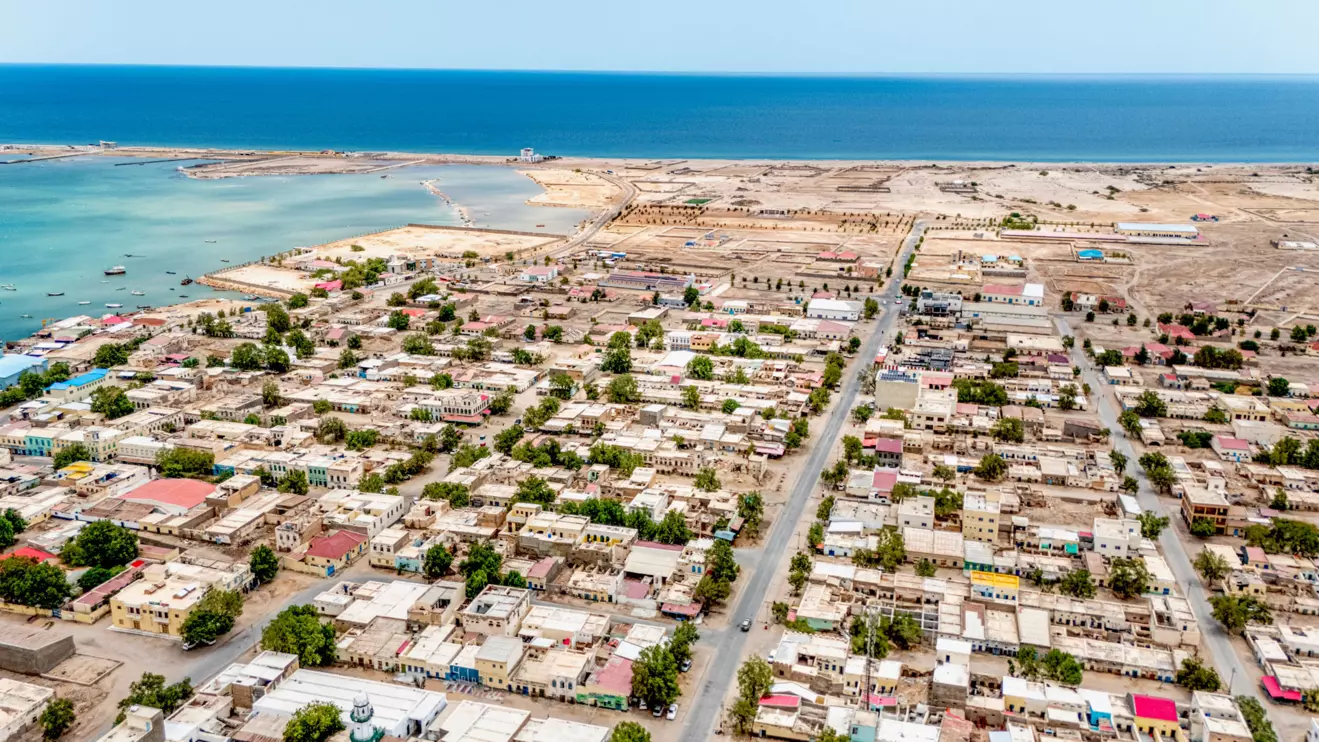
Somaliland, which declared independence from Somalia in 1991, occupies a strategic location at the juncture of the Indian Ocean and Red Sea, with its Berbera port giving access to some of the world's busiest shipping lanes.
Ships plying those routes have faced attacks by Yemen's Houthi militia, and analysts say countering that threat is part of Israel's move to recognise Somaliland and could lead to a military cooperation agreement between the two. Somaliland, however, has denied recognition allows for Israel to establish military bases there or for the resettlement of Palestinians from Gaza.
WHICH OTHER COUNTRIES COULD RECOGNISE SOMALILAND?
Landlocked Ethiopia, Africa's second most populous country, has also set its sights on Somaliland, announcing in 2024 a memorandum of understanding to lease an area around the Berbera port in exchange for Addis Ababa recognising the region's independence.
That deal prompted an angry response from Somalia, and drew the Mogadishu government closer to Egypt, which has quarrelled with Ethiopia for years over Addis Ababa's construction of a vast hydropower dam on the Nile River, and to Eritrea, another of Ethiopia's longtime foes.
Turkey has close ties with both Ethiopia and Somalia, training Somalia's security forces and supplying development assistance in return for a foothold on the key global shipping route. After talks mediated by Turkey, Ethiopia agreed in December 2024 to work with Somalia to resolve the dispute, but it is now rumoured to be readying to recognise Somaliland.
India has denied talk on X that it was also preparing to recognise Somaliland, although some analysts say it should do so to counter Chinese economic influence in the Horn of Africa, specifically Djibouti, as well as in Kenya and Tanzania.
The United Arab Emirates, which in 2020 normalised relations with Israel under the U.S.-brokered Abraham Accords, has carved its own sphere of influence in the region. It runs the Berbera port through Dubai's state owned company DP World, as well as Berbera's airport and a free-trade zone located between the port and the airport.