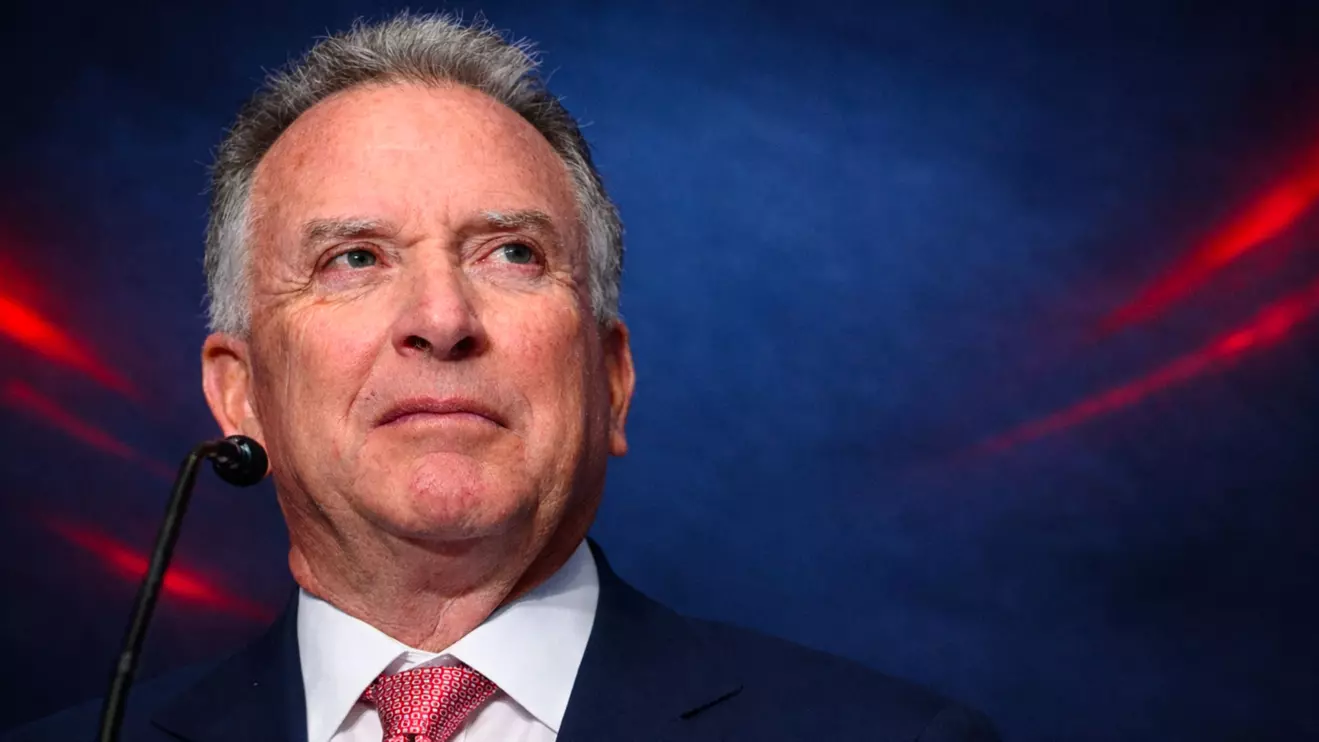
US envoy Steve Witkoff declared Tuesday evening on CNBC that "almost all of Iran's uranium enrichment and conversion capabilities have been destroyed" following the joint US-Israel strikes launched on February 28.
Witkoff detailed the scope of the damage, pointing to key sites — Isfahan, Natanz and Fordow — where Iran's full enrichment cycle, from conversion to metallization, had been targeted. Yet he struck a cautious note, warning that Iran retains the capacity to rebuild much of its program domestically, including advanced IR-6 centrifuges whose locations remain difficult to track, according to repeated assessments by the IAEA.
The situation has been further complicated since Iran expelled IAEA inspectors following Operation Midnight Hammer, leaving the international community with no visibility into Iranian nuclear activities.
"If everything was purely civilian as they claim, why wouldn't they allow observers into their country?" Witkoff asked pointedly.
On diplomacy, the US envoy left the door open, but set a clear ultimatum: "If Iran wants to talk, I'm sure the President would be open to discussion. But Iran would face a bad alternative if it refuses American demands."
Witkoff also revealed that Russian President Vladimir Putin personally assured Donald Trump during a Monday phone call that Russia had not provided intelligence to Iran, a notable disclosure amid ongoing speculation about Moscow's role in the conflict.