It was meant to be a bold diplomatic statement. It ended as an embarrassing defeat.
Spain, Slovenia and Ireland arrived at Tuesday's EU foreign ministers meeting in Luxembourg demanding a debate on suspending the bloc's trade agreement with Israel, invoking what they called a "genocidal war" on Gaza. They left empty-handed.
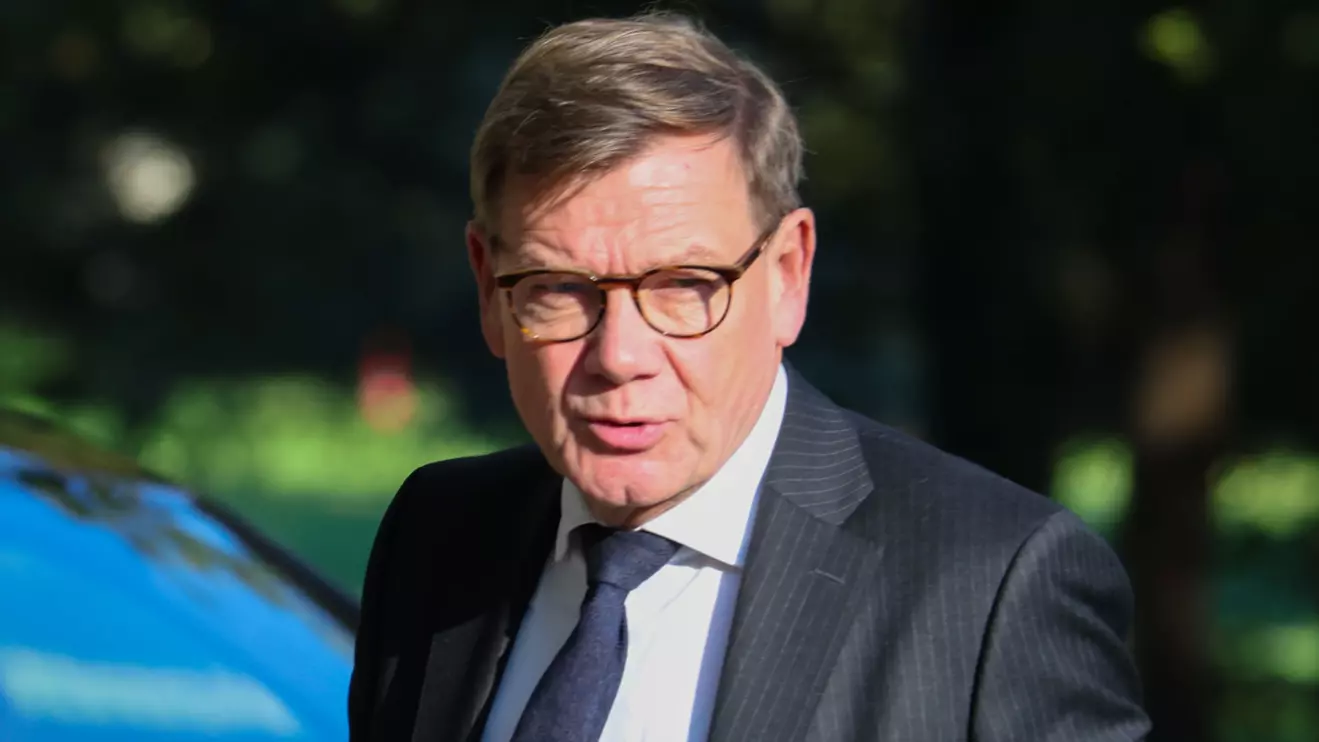
German Foreign Minister Johann Wadephul dismissed the proposal as "inappropriate", insisting on "constructive dialogue" with Israel rather than economic punishment. His Italian counterpart Antonio Tajani was even blunter: after the meeting, he confirmed the bid had been definitively shelved.
The defeat is particularly damaging for Spanish Prime Minister Pedro Sánchez, whose Middle East policy has long prioritised domestic political signalling over strategic coherence, maintaining conspicuous softness toward Hamas, Hezbollah and Tehran while leading the charge against Israel in European forums. He attempted to position himself as the moral conscience of EU foreign policy. Berlin and Rome had other ideas.
The broader lesson from Luxembourg is uncomfortable for the trio: deploying legally contested language like "genocidal war" in official diplomacy, while failing to explain how suspending a trade deal would help a single civilian, is not moral leadership. It is political theatre, and Europe's most consequential powers are no longer willing to applaud.