Saudi Arabia
Riyadh's FII investment conference looks unlikely to go ahead
Organisers insist the Future Investment Initiative (FII) will open in Riyadh on October 26. After a week of Houthi attacks on the capital's airport, few expect it to.

Missiles struck Yemen's Aden International Airport on Friday, while a Saudi-led military coalition said it had intercepted a ballistic missile headed for the Red Sea city of Yanbu, a key Saudi oil hub that allows exports to avoid the Strait of Hormuz.
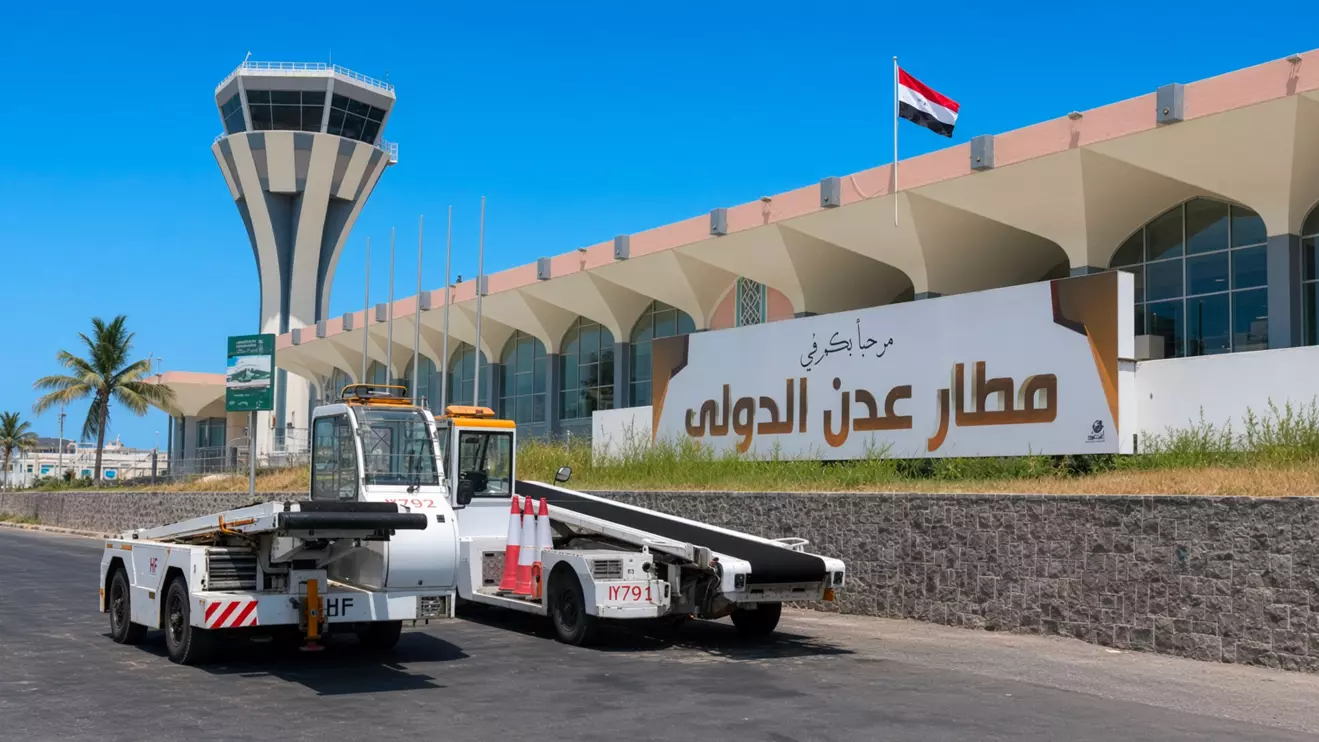
Aden Airport, Yemen © SDS
Missiles struck Yemen's Aden International Airport on Friday, while a Saudi-led military coalition said it had intercepted a ballistic missile headed for the Red Sea city of Yanbu, a key Saudi oil hub that allows exports to avoid the Strait of Hormuz.
The coalition said it had also destroyed two cruise missiles over the Red Sea and three drones in Saudi Arabia's Southern and Riyadh regions. It did not identify the attackers.
In Aden in southern Yemen, two missiles landed on the airport grounds, the Aden Security Department said, blaming the Iran-aligned Houthi group. It said the incident was the second attack on the facility in less than a week. The Houthis did not immediately claim responsibility.
No casualties were reported. A Yemenia Airways flight bound for Cairo was preparing for takeoff when the missiles landed, the security department said.
Yanbu is a key outlet for Saudi oil exports, allowing the kingdom to ship crude to international markets via the Red Sea, bypassing the Strait of Hormuz. The vital waterway has been largely throttled by Iran since the US and Israel launched attacks on the country in February.
With regional tensions and security threats raising concerns over the safety of shipping and tighter global energy supplies, Brent crude oil briefly touched $110 a barrel on Friday for the first time since May.
Saudi Civil Defense authorities issued an alert early on Saturday for Abha in southwestern Saudi Arabia near the Yemeni border before sending an all-clear. Earlier they had issued alerts in the Jazan region and the southwestern city of Khamis Mushait, where such warnings have become frequent since fighting resumed last month.
Also early on Saturday, Houthi-affiliated media reported strikes east of Yemen's northwestern city of Saada. The Saudi-led coalition said it had destroyed two ballistic missile launchers in the area.
Fighting between the Houthis and a Saudi-led coalition backing Yemen's government has raised fears of a further deterioration in the country's humanitarian crisis. Aid agencies have warned that conditions are worsening rapidly.
The Yemen conflict has become another front as the Iran war has widened into a regional conflict. The Houthis seized the capital Sanaa in 2014 and forced the internationally recognised government south. A Saudi-led intervention began the following year, leading to years of stalemate before a 2022 truce that held until this year.
The Houthis have repeatedly launched missiles and drones at Saudi Arabia since the conflict reignited, targeting airports, oil facilities and other infrastructure. In recent days, the group has also targeted sites in government-held parts of Yemen, including Aden airport and the presidential palace in the interim capital.
A spokesperson for the Houthi-run health ministry said on Friday that 124 civilians had been killed and 327 wounded in what he described as "Saudi aggression" since the escalation began on September 3. Reuters could not independently verify the figures.
Reporting by Enas Alashray, Mohammed Ghobari, Ahmed Tolba, Yasmine Ghania and Menna Alaa El-Din
Organisers insist the Future Investment Initiative (FII) will open in Riyadh on October 26. After a week of Houthi attacks on the capital's airport, few expect it to.
President Donald Trump said the US may have to target Pickaxe Mountain, a site linked to Iran's nuclear program, as he aims to ensure Tehran does not get a nuclear weapon.
Houthi militants who control northwestern Yemen have in the past week attacked Riyadh international airport and hit the headquarters of Saudi Aramco, the world's largest oil company, in air assaults that have laid bare Saudi Arabia's vulnerability to threats from its enemy next door.
To make this website run properly and to improve your experience, we use cookies. For more detailed information, please check our Cookie Policy.
Necessary cookies enable core functionality. The website cannot function properly without these cookies, and can only be disabled by changing your browser preferences.