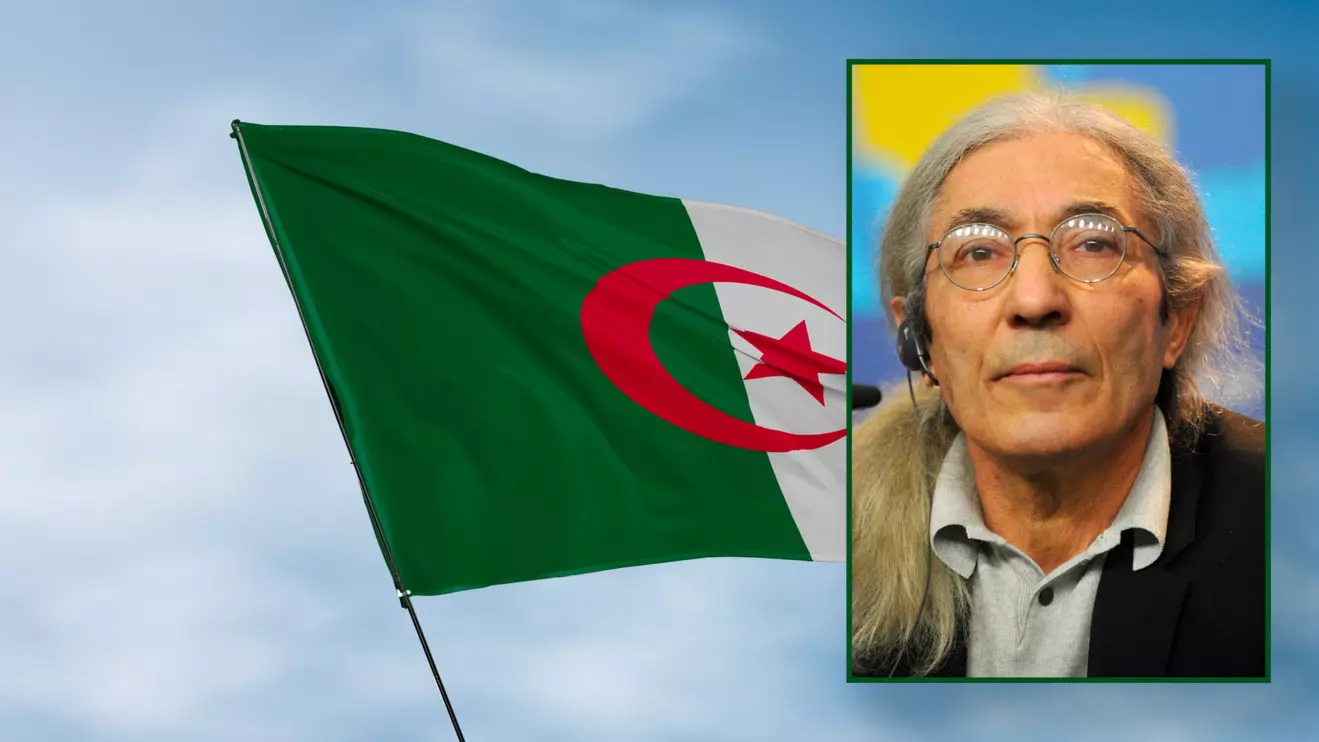
Algerian President Abdelmadjid Tebboune has granted a pardon to French-Algerian writer Boualem Sansal following a request from German President Frank-Walter Steinmeier, the Algerian presidency said on Wednesday.
Algerian authorities arrested Sansal a year ago and a court sentenced him in March to five years in jail for undermining national unity.
Sansal, 81, who has long been a critic of Algerian authorities and had been living in France, denied the charge against him, saying he never intended to offend Algeria or state institutions.
The Algerian presidency said in a statement that Tebboune "responded positively" to Steinmeier's appeal, which he described as "noteworthy for its humanitarian nature and motives". Tebboune previously described Sansal as an "imposter".
Germany will take responsibility for Sansal's transfer and medical treatment, the presidency statement said. French media have reported that Sansal has cancer.
French Prime Minister Sebastien Lecornu told the National Assembly in Paris that his government was "relieved" to hear of Sansal's pardon, adding he hoped the novelist would be reunited with his family "as soon as possible" and receive medical treatment.
Lecornu expressed "his heartfelt thanks to all those who contributed to this release, which was achieved through a method based on respect and calm".
Steinmeier's appeal for Sansal's release came after calls by other writers, by French President Emmanuel Macron, and human rights groups.
The Sansal case deepened the diplomatic rift between Algeria and France, its former colonial master.
Ties between Paris and Algiers deteriorated sharply after France recognised Morocco's sovereignty over the disputed territory of Western Sahara.