I am an artist, not a film critic and not a military researcher. But for years I was involved in the world of film and culture at the highest levels.
I worked with and was in contact with some of the most prominent people in Hollywood, and I saw up close how films are made, how stories are built, and how a work of art can shape public opinion around the world.
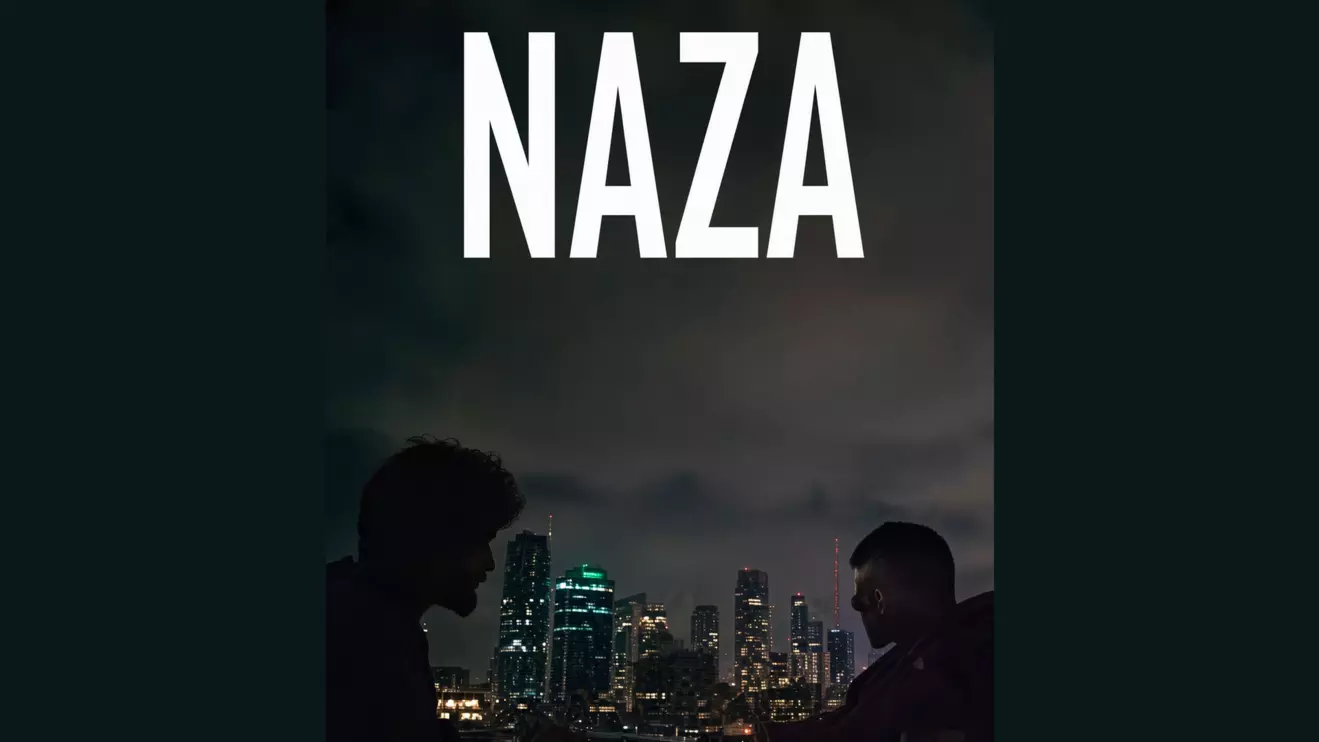
It is precisely from that place that I am asking questions about the film NAZA.
I do not know whether the accusations in the film are true or not. And so I am also not willing to accept them as truth simply because the film won a prize in Venice.
When 24 people presented as Israeli soldiers and intelligence personnel appear anonymously and level the gravest accusations against Israel and the IDF, our responsibility is not to silence them.
Our responsibility is to check. But the checking has to go in both directions.
The accusations need to be examined, and so does the film itself.
Who are the filmmakers, Yuval Abraham and Rachel Szor? What is their professional and public background?
What were their positions on Israel and the war before they began working on the film?
Who funded NAZA? Who paid for nearly three years of work? Which bodies, foundations, organizations or donors were involved? And perhaps the most important question of all: who vetted the 24 anonymous witnesses?
Were military documents checked? Were the units they served in verified? Were their roles and dates verified? Were their testimonies corroborated by additional sources? And were soldiers and officers who presented a different picture interviewed as well?
Anonymity can be justified. Sometimes it is essential in order to protect a source.
But the more anonymous the source and the graver the accusation, the heavier the burden of proof must be.
And there is one more question we must not be afraid to ask. Did the filmmakers start from the facts and arrive at a conclusion?
Or did they start from a conclusion and go looking for the facts that would fit it?
That is an enormous difference.
Accusations like these against Israel and the IDF can linger for years. They will surface in the media, in universities, in political debates, and perhaps in legal and international proceedings as well.
That is why we must not accept them because of applause or because of a prize. And we must not reject them simply because they are hard for us to hear. They must be examined.
If the facts in the film are true, a serious examination will only strengthen them.
If they are not true, or if the picture is partial and slanted, the public needs to know that too.
A prize in Venice is a cinematic achievement. It is not a seal of truth. Applause is not evidence. And truth is not decided on a festival stage.
Truth is decided by the facts.