Iran
Trump warns Tehran: Pickaxe Mountain could be next
President Donald Trump said the US may have to target Pickaxe Mountain, a site linked to Iran's nuclear program, as he aims to ensure Tehran does not get a nuclear weapon.

China on Tuesday said it condemned Israeli air strikes that destroyed the consular annex at close ally Iran's embassy in Damascus.
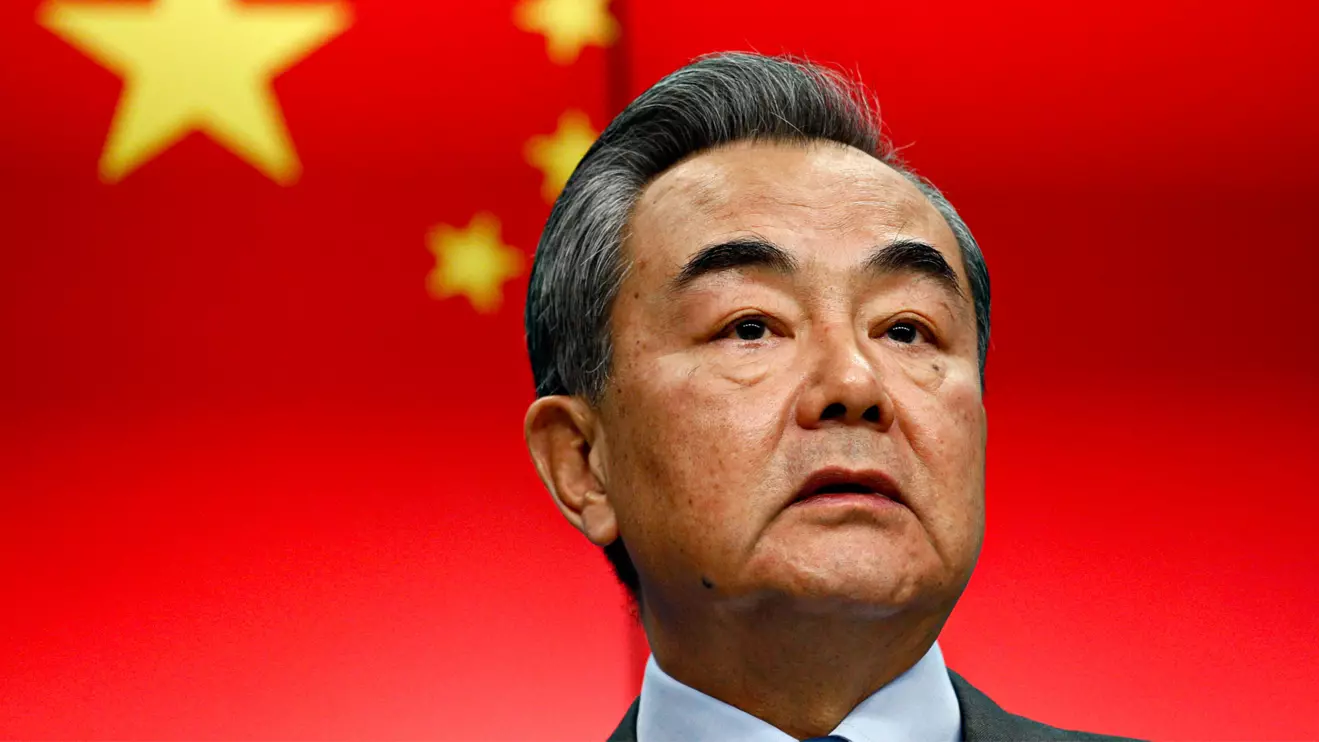
China's Foreign Minister Wang Yi © Mena Today
China on Tuesday said it condemned Israeli air strikes that destroyed the consular annex at close ally Iran's embassy in Damascus.
"China condemns the attack," Foreign Ministry spokesperson Wang Wenbin said.
"The security of diplomatic institutions cannot be violated, and Syria's sovereignty, independence and territorial integrity should be respected," he said.
"The current situation in the Middle East is turbulent and we oppose any actions that lead to an escalation of tensions," Wang said.
The Israeli air strikes destroyed the Iranian embassy's consular annex in Damascus, Syrian and Iranian officials said.
A top Revolutionary Guard commander was among seven members the force said were killed.
China is a close partner of Iran and its largest trade partner and a top buyer of its sanctioned oil.
Beijing also enjoys close ties with Damascus.
In September last year, it became one of only a handful of countries outside the Middle East that President Bashar Al-Assad has visited since the 2011 start of a civil war that has since killed more than half a million people and displaced millions more.
President Donald Trump said the US may have to target Pickaxe Mountain, a site linked to Iran's nuclear program, as he aims to ensure Tehran does not get a nuclear weapon.
Houthi militants who control northwestern Yemen have in the past week attacked Riyadh international airport and hit the headquarters of Saudi Aramco, the world's largest oil company, in air assaults that have laid bare Saudi Arabia's vulnerability to threats from its enemy next door.
US Secretary of State Marco Rubio spoke with Lebanese President Joseph Aoun about the confiscation of hundreds of kilograms of explosives from Hezbollah, a US State Department official said on Thursday.
To make this website run properly and to improve your experience, we use cookies. For more detailed information, please check our Cookie Policy.
Necessary cookies enable core functionality. The website cannot function properly without these cookies, and can only be disabled by changing your browser preferences.