It has been one crisis after another. The Covid pandemic. The Hamas massacres of October 7, 2023. The twelve-day war against Iran last June.
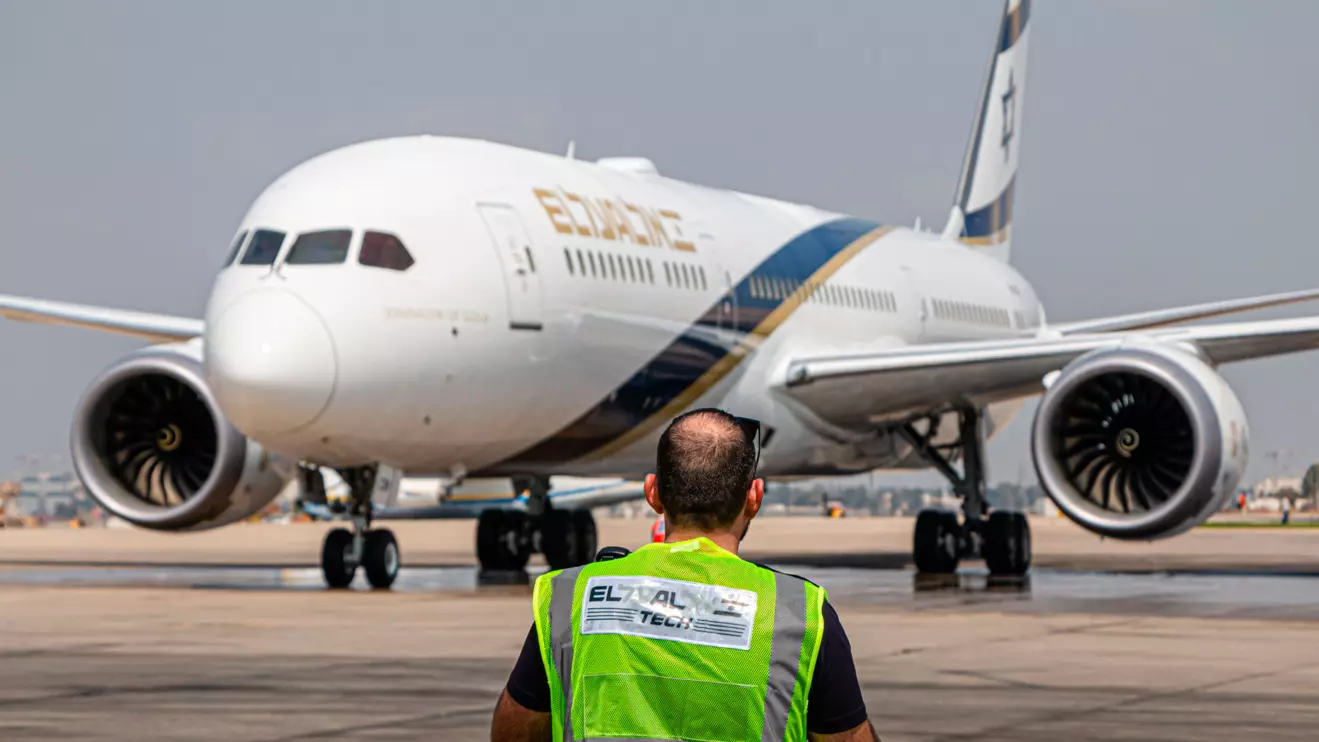
And now, for more than a month, El Al has been forced to suspend the vast majority of its flights as the Middle East conflict continues to ground the airline that carries Israel to the world, and the world to Israel.
The question being asked in boardrooms and aviation circles is a simple and brutal one: how much longer can El Al hold on?
The numbers tell a sobering story. Where El Al once operated a network of approximately 50 international destinations across Europe, North America and Asia, a handful of daily flights now connects Tel Aviv to Paris, London, Athens and New York. The rest of the fleet sits idle on the tarmac at Ben Gurion Airport, a multi-billion dollar asset generating no revenue.
Pilots and cabin crew are being paid without flying. Maintenance staff clock in to service aircraft that go nowhere. The airline's subsidiary, Sun d'Or, which operates charter services to destinations El Al itself does not serve, is in an equally difficult position.
Not All Airlines Are Equal
The contrast with the Gulf carriers could not be starker. Emirates, Etihad and Qatar Airways, state-backed behemoths with sovereign wealth funds behind them, have the financial firepower to absorb prolonged disruption without existential threat.
For El Al, the grounding is an emergency.
El Al is a private company. It does not have a sovereign wealth fund. It has shareholders, creditors and a payroll to meet, every day, whether its planes are flying or not.
What makes the current crisis particularly painful is its timing. After navigating the devastation of Covid and the disruption triggered by the October 7 attacks, El Al had achieved something remarkable: a genuine recovery.
Last year, the airline posted excellent results despite intense competition, demonstrating both the resilience of its management and the loyalty of its passenger base.
That momentum has now been interrupted -violently and without warning - by a conflict whose duration nobody can predict.
If the conflict is resolved quickly, El Al may be able to restart its network, rebuild its load factors and return to profitability within a manageable timeframe. The airline has navigated existential crises before.
But if the war drags on, the turbulence ahead could be severe. Fixed costs - staff salaries, aircraft leases, maintenance contracts, airport fees - continue to accumulate regardless of whether a single passenger boards a plane. Cash reserves have limits. Credit lines have terms.
The Israeli state could intervene with emergency credit facilities, as governments have done for national carriers in past crises. But state support alone will not be sufficient.
At some point, investors will be asked to put their hands in their pockets, and the appetite for doing so will depend entirely on how quickly a path to normalcy becomes visible.
There is reason for cautious optimism. El Al is not a fragile airline. It has survived wars, terrorist threats, pandemics and geopolitical upheaval throughout its 77-year history. It has a loyal customer base, strong brand recognition and a management team that knows how to operate in conditions that would paralyse most other carriers.
But every crisis has limits. And after Covid, October 7 and now this, El Al is being asked to absorb more turbulence than almost any other airline on earth.
The planes are waiting. The crews are ready. The question is whether the war, and the balance sheet, will allow them to fly again before the damage becomes irreversible.