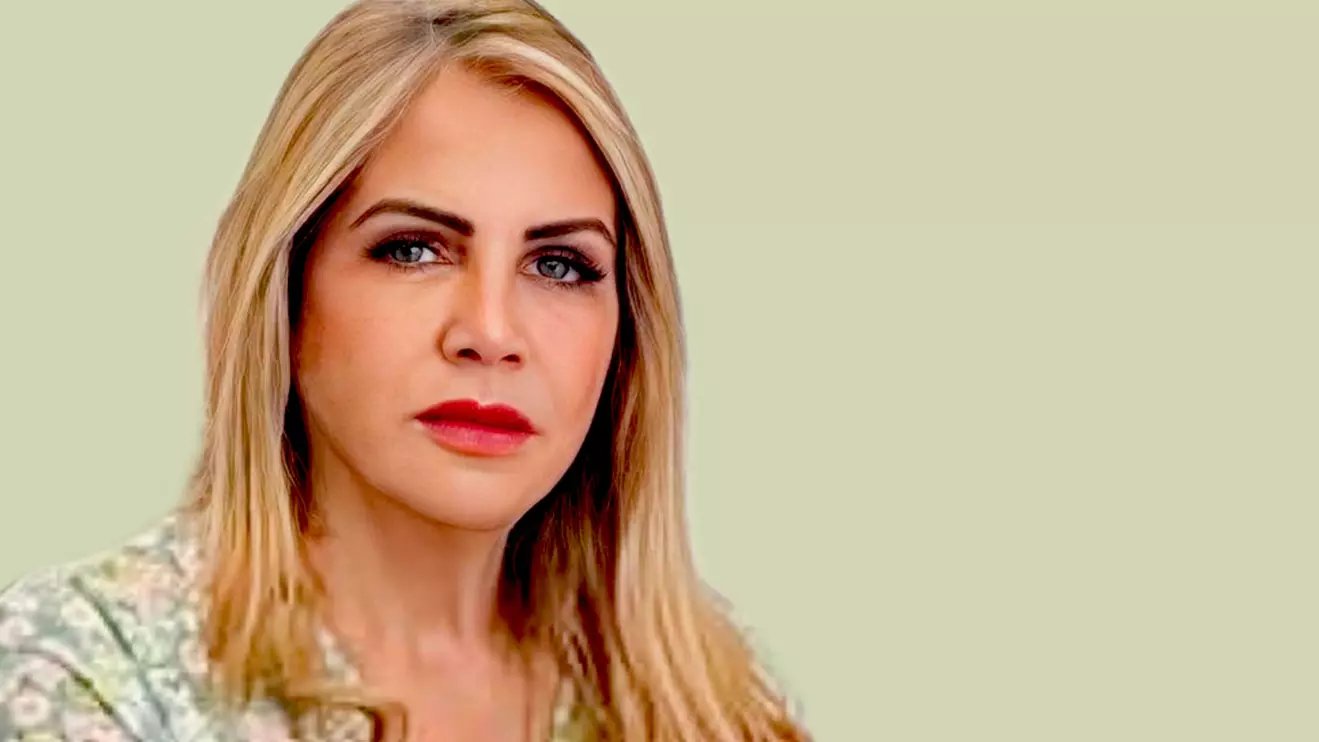
Algeria’s fragile democratic façade suffered another serious blow on Monday as three former presidential hopefuls were sentenced to ten years in prison for alleged corruption, in what critics see as further evidence of the country’s repressive political environment.
Businesswoman Saida Neghza, former minister Belkacem Sahli, and former candidate Abdelhakim Hamadi were convicted of “buying endorsements” — a vague accusation often used in politically charged trials.
Their candidacies for the September 2024 presidential election had already been rejected, and their prosecution raises fresh doubts about the credibility of Algeria’s electoral system.
The verdict, confirmed to AFP by a judicial source, follows demands from the public prosecutor who had sought the maximum penalty.
All three were barred from challenging the incumbent President Abdelmadjid Tebboune, who went on to secure a second term in a vote widely criticized for lack of transparency and meaningful competition.
Observers say the case reflects the increasing closure of political space in Algeria, where dissenting voices and independent candidates are often sidelined, harassed, or prosecuted. Despite promises of reform, the political landscape remains tightly controlled by entrenched elites and security apparatuses.
This latest development has further eroded confidence in Algeria’s democratic institutions, confirming, for many, that presidential elections in the country remain more of a managed ritual than a genuine democratic contest.