Iran
No deal required, Trump says of Iran's enriched uranium
U.S. President Donald Trump on Thursday said that Washington did not need a deal with Iran to get enriched uranium from the country.
Turkey "is playing a role passing messages" between Iran and the U.S. to encourage de-escalation and direct negotiations, Harun Armagan, vice chair of foreign affairs for President Tayyip Erdogan's ruling party, told Reuters on Wednesday.
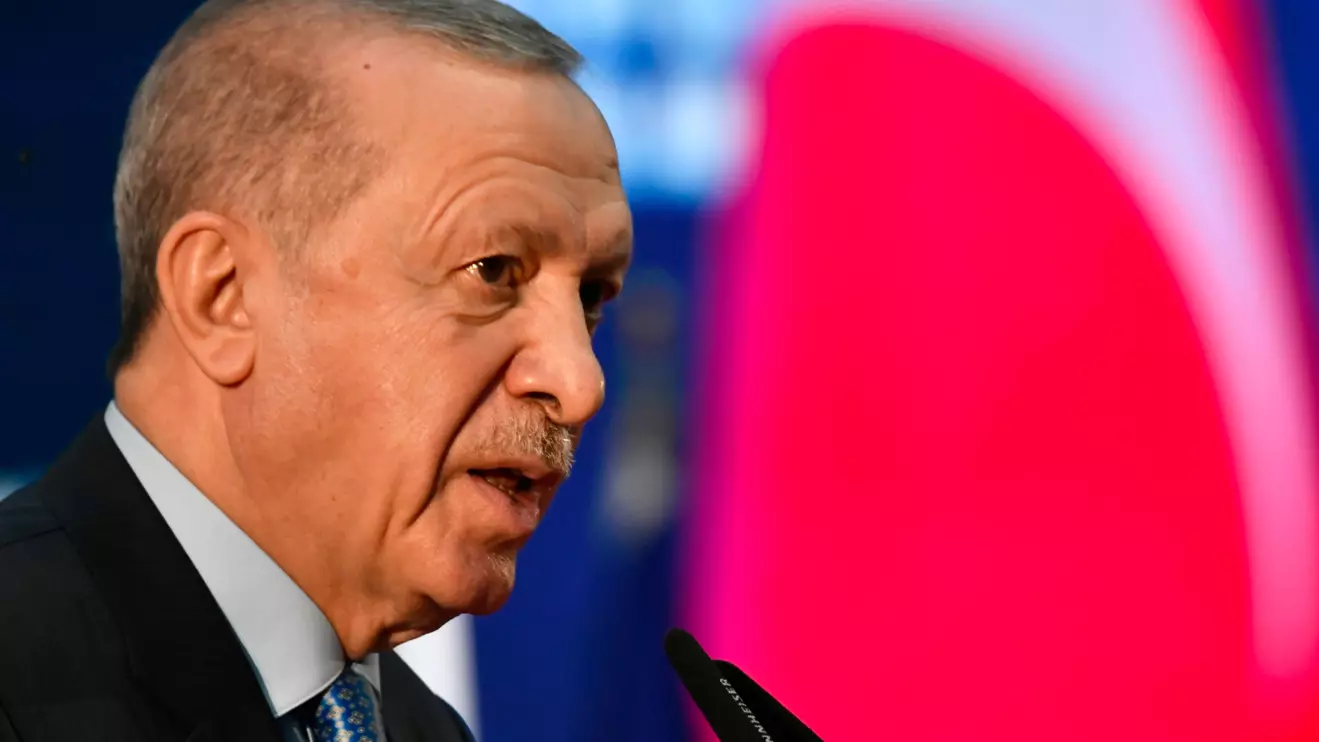
President Tayyip Erdogan © Mena Today
Turkey "is playing a role passing messages" between Iran and the U.S. to encourage de-escalation and direct negotiations, Harun Armagan, vice chair of foreign affairs for President Tayyip Erdogan's ruling party, told Reuters on Wednesday.
He did not elaborate on the messages but said they were also being conveyed to Gulf nations, which have been caught up in the widening regional war sparked by the U.S.-Israeli attacks on Iran.
Iran's military on Wednesday rejected President Donald Trump's assertion that the United States was in negotiations to end the war.
NATO member Turkey had sought to mediate U.S.-Iran talks before the attacks began nearly a month ago and has repeatedly called for an immediate halt to hostilities. Erdogan has said it would continue working with all its resources to secure peace.
Foreign Minister Hakan Fidan has said Ankara was conveying "friendly" advice to Tehran to avoid widening the war, and that he was also in touch with Washington to understand where the sides stood.
On Sunday, a Turkish diplomatic source said Fidan had spoken with U.S. officials and also with Iranian Foreign Minister Abbas Araqchi, among others, to discuss possible steps to end the war.
Three Iranian missiles bound for neighbouring Turkey have been downed by NATO air defences since the war began.
By Jonathan Spicer
U.S. President Donald Trump on Thursday said that Washington did not need a deal with Iran to get enriched uranium from the country.
In a striking political declaration, Fahad Al Masri, President of the National Salvation Front in Syria, has issued a bold call for a strategic alliance between post-Assad Syria, the United States and Israel, a move that would represent a seismic shift in the region's diplomatic landscape.
Hezbollah rejected a ceasefire plan agreed by the Lebanese and Israeli governments in U.S.-mediated talks, as Israel kept up strikes in southern Lebanon on Thursday and said it wouldn't be withdrawing from the south.
To make this website run properly and to improve your experience, we use cookies. For more detailed information, please check our Cookie Policy.
Necessary cookies enable core functionality. The website cannot function properly without these cookies, and can only be disabled by changing your browser preferences.