Israel
Bikes take over as Israel falls silent
For 24 hours, Israel will live in slow motion. Yom Kippur, the Day of Atonement and the holiest day of the Jewish calendar, begins Sunday evening.

The president of the Syrian Liberal Party issues a firm rebuttal to an i24NEWS report suggesting back-channel dealings between Syrian opposition figures and Israel.
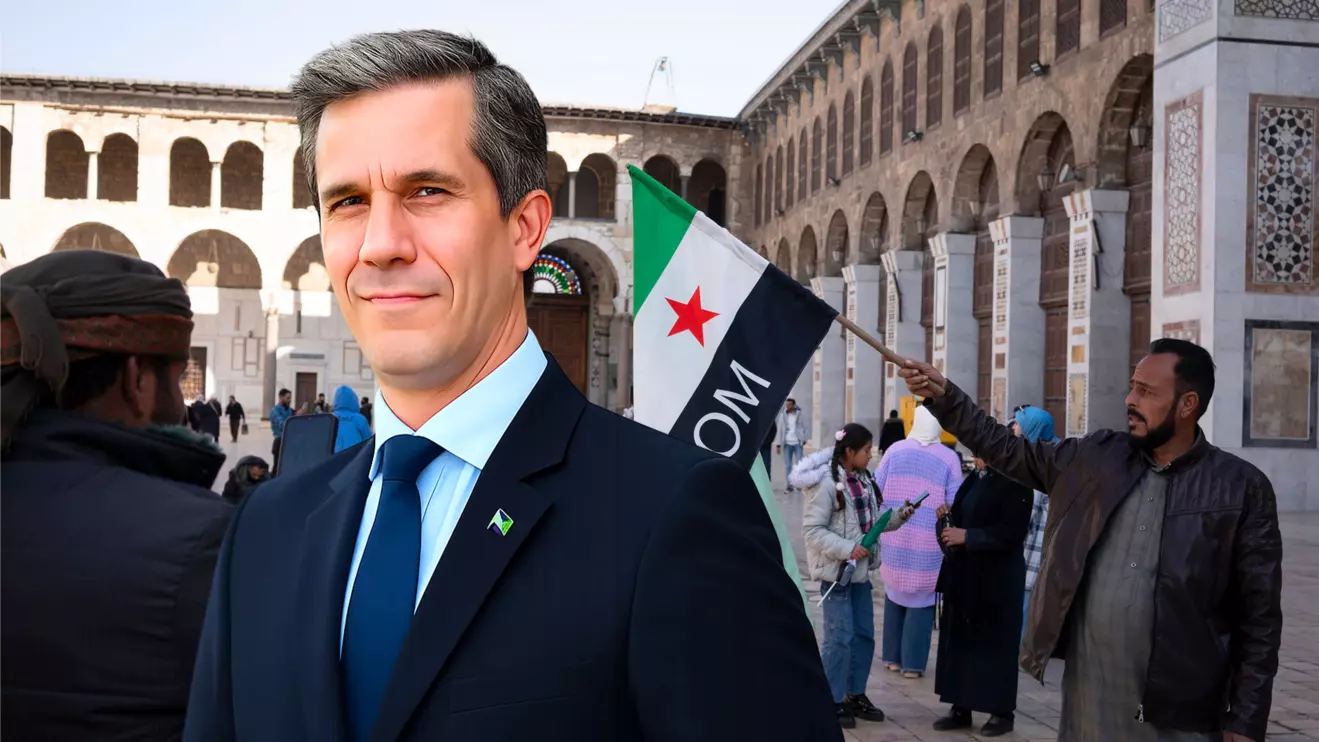
Fahad Al Masri © Mena Today
Fahad Al Masri, president of the Syrian Liberal Party, has issued a public statement pushing back against reports, originally published by Israeli television network i24NEWS and citing a Trump administration source, that suggested contacts between Syrian opposition circles and Israel.
His response is unambiguous. Following what he describes as Israeli "aggression against Syrian territory," all channels of communication with Jerusalem were severed. "We are not instruments in anyone's hands, nor are we traitors to our Syrian homeland," he writes, accusing Netanyahu's government of having long preferred the perpetuation of the Assad regime over the emergence of a new Syria.
On the United States, Al Masri's tone is markedly warmer. He praises the Trump administration for supporting Syria's stability, lifting sanctions and working to curtail Iranian influence, while insisting that any future Syrian government must be built on competence, transparency and loyalty to Syria alone, stemming from "the will of the Syrian people themselves."
Al Masri also takes care to establish his personal credentials: he has held no political office, has lived in exile in France since 1995, and holds no nationality other than Syrian.
"Although I have waited more than thirty years for the fall of the Assad regime to return to Damascus," he writes, "I have chosen to place Syria's interest above any personal consideration."
For 24 hours, Israel will live in slow motion. Yom Kippur, the Day of Atonement and the holiest day of the Jewish calendar, begins Sunday evening.
The head of United Nations peacekeepers in Lebanon said on Saturday it was critical to ensure other UN agencies and Lebanese troops could assume the tasks carried out by the force before it begins withdrawing at the end of this year.
Eleven people were killed Friday in an explosion of unknown origin at a military site in the Ayyash area, west of Deir Ezzor in eastern Syria, the country's Defense Ministry announced Saturday.

To make this website run properly and to improve your experience, we use cookies. For more detailed information, please check our Cookie Policy.
Necessary cookies enable core functionality. The website cannot function properly without these cookies, and can only be disabled by changing your browser preferences.