
Lebanon
Israeli army radio announces "Significant" reduction of troops in South Lebanon
Israel's army radio (GLZ) announced Thursday a "significant" reduction in the number of brigades deployed in the occupied "buffer zone" in southern Lebanon.

Israeli airstrikes targeted Lebanon’s Bekaa Valley and the Ain al-Hilweh camp on Friday, killing more than 12 people in what appears to be a significant escalation in the ongoing confrontation along the Israel–Lebanon front.
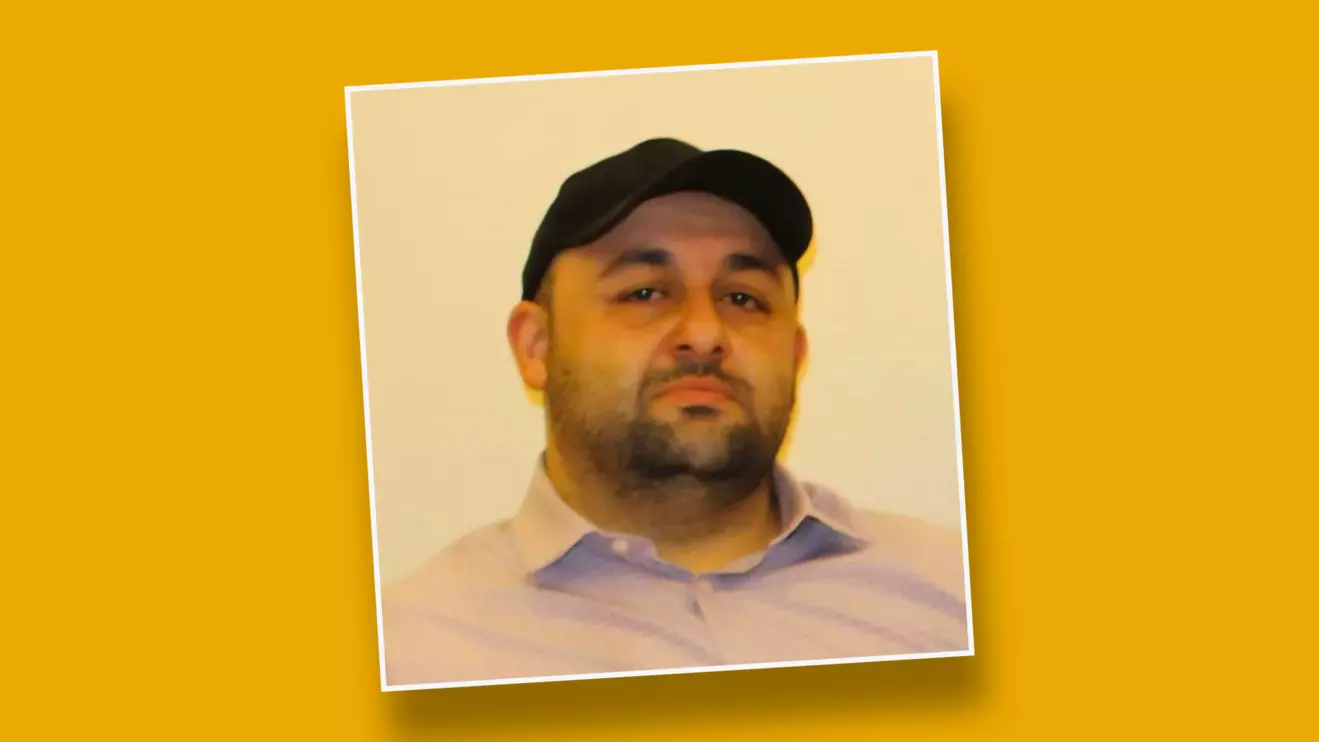
Hussein Mohammad Yaghi © LNP
Israeli airstrikes targeted Lebanon’s Bekaa Valley and the Ain al-Hilweh camp on Friday, killing more than 12 people in what appears to be a significant escalation in the ongoing confrontation along the Israel–Lebanon front.
In the Baalbek region, the dead included Hezbollah commander Hussein Mohammad Yaghi, son of Mohammad Hassan Yaghi, widely known as “Abu Salim.”
Abu Salim was one of Hezbollah’s founding members in 1982 and later served as executive assistant to Hassan Nasrallah, the group’s former leader who was killed in September 2024. He had also held a seat in the Lebanese Parliament, reflecting his influence within both the political and military spheres of the organization.
Ali Zeid Moussaoui, another Hezbollah member, was also reported killed in the strikes.
The Bekaa Valley has long been considered a strategic stronghold for Hezbollah, making it a frequent target during periods of heightened hostilities. The strike on Ain al-Hilweh, one of Lebanon’s largest Palestinian refugee camps, further underscores the widening scope of the confrontation.
There was no immediate official comment from Israeli authorities. However, the targeting of figures linked to Hezbollah’s leadership suggests a deliberate effort to weaken the group’s operational structure amid rising regional tensions.
Israel's army radio (GLZ) announced Thursday a "significant" reduction in the number of brigades deployed in the occupied "buffer zone" in southern Lebanon.
Thousands of newcomers are joining returning evacuees, a quiet verdict on who won the southern front.
Turkish President Tayyip Erdogan said it was unrealistic to expect all countries to make the same progress on climate policy while inequalities in access to financing and technology persisted, adding he expected support from all nations for Turkey's COP31 Climate Summit action agenda.

To make this website run properly and to improve your experience, we use cookies. For more detailed information, please check our Cookie Policy.
Necessary cookies enable core functionality. The website cannot function properly without these cookies, and can only be disabled by changing your browser preferences.