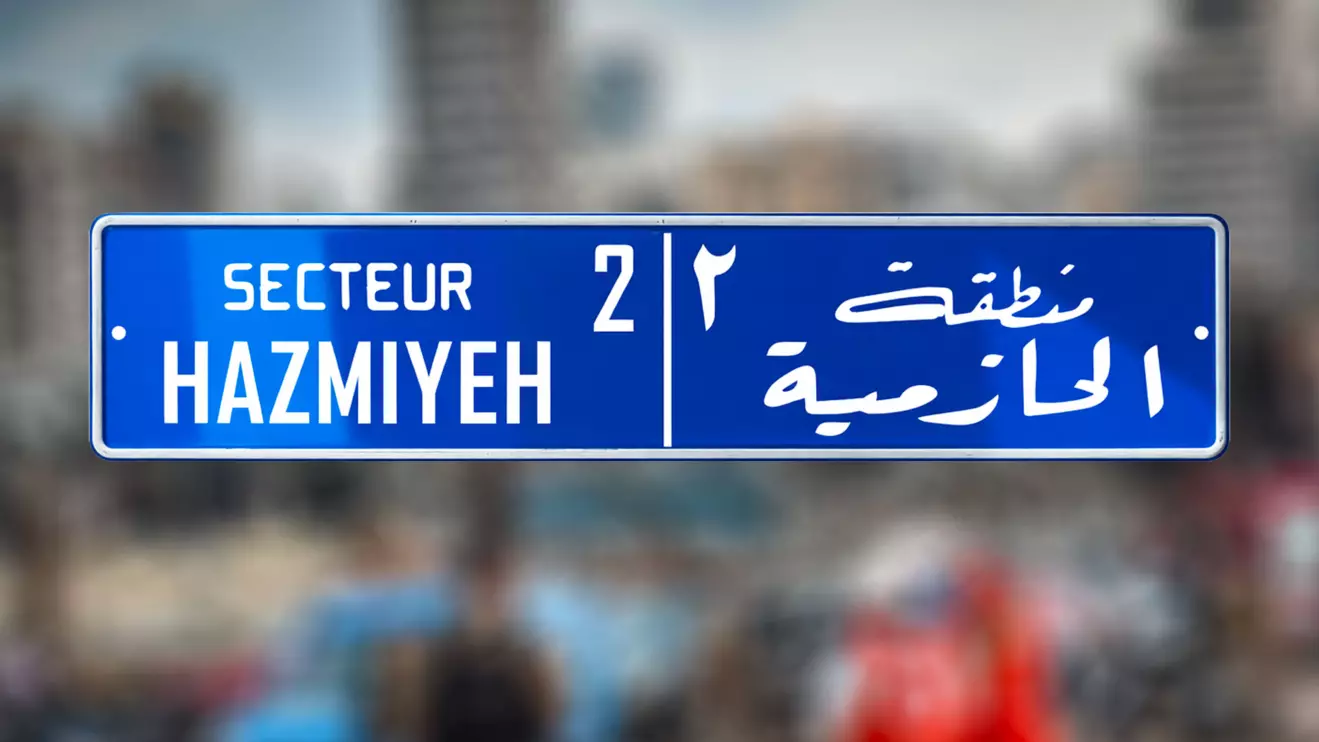
An Israeli precision strike hit a residential apartment building in Hazmieh - a predominantly Christian neighborhood east of Beirut - Monday afternoon, killing at least one person in what the IDF described as a targeted hit on a member of the Iranian Revolutionary Guards' elite Al-Quds Force.
The target: Mohammad Ali Qourani , who had already survived a previous Israeli strike on the Comfort Hotel in the same area on the night of March 3-4, only to be tracked down and eliminated weeks later.
The intelligence picture that led to Monday's strike is remarkable in its granularity. According to Hazmieh Municipal Council President Jean Asmar, the targeted individual had arrived at the apartment just one hour before the strike — and the rental had not been made in his name.
Israel found him anyway.
A Christian Neighborhood Sends Its Own Message
Asmar's reaction was swift and unambiguous: "We will not allow this incident to repeat itself."
Translation: no Hezbollah presence, no Iranian Revolutionary Guards operatives — not in Hazmieh, not in this quiet residential neighborhood that has no interest in being dragged into a war it never chose.
It is a message that mirrors what Lebanon's own government has been saying at the national level , and it carries the same unmistakable subtext: Hezbollah and its Iranian handlers are no longer welcome anywhere in Lebanon where people actually want to live in peace.
Monday's strike is part of Israel's methodical campaign to eliminate Al-Quds Force operatives embedded across Lebanese territory, targeting not just Hezbollah's own commanders but the Iranian officers who direct, fund and coordinate their operations from within Lebanese civilian neighborhoods.
The fact that Israel struck in the Christian heart of Beirut, not the southern suburbs, not the Bekaa, sends its own message: there is no safe house, no quiet street, no borrowed apartment that can hide an Iranian operative from Israeli intelligence.
Mohammad Ali Qourani survived March 3. He did not survive March 24.