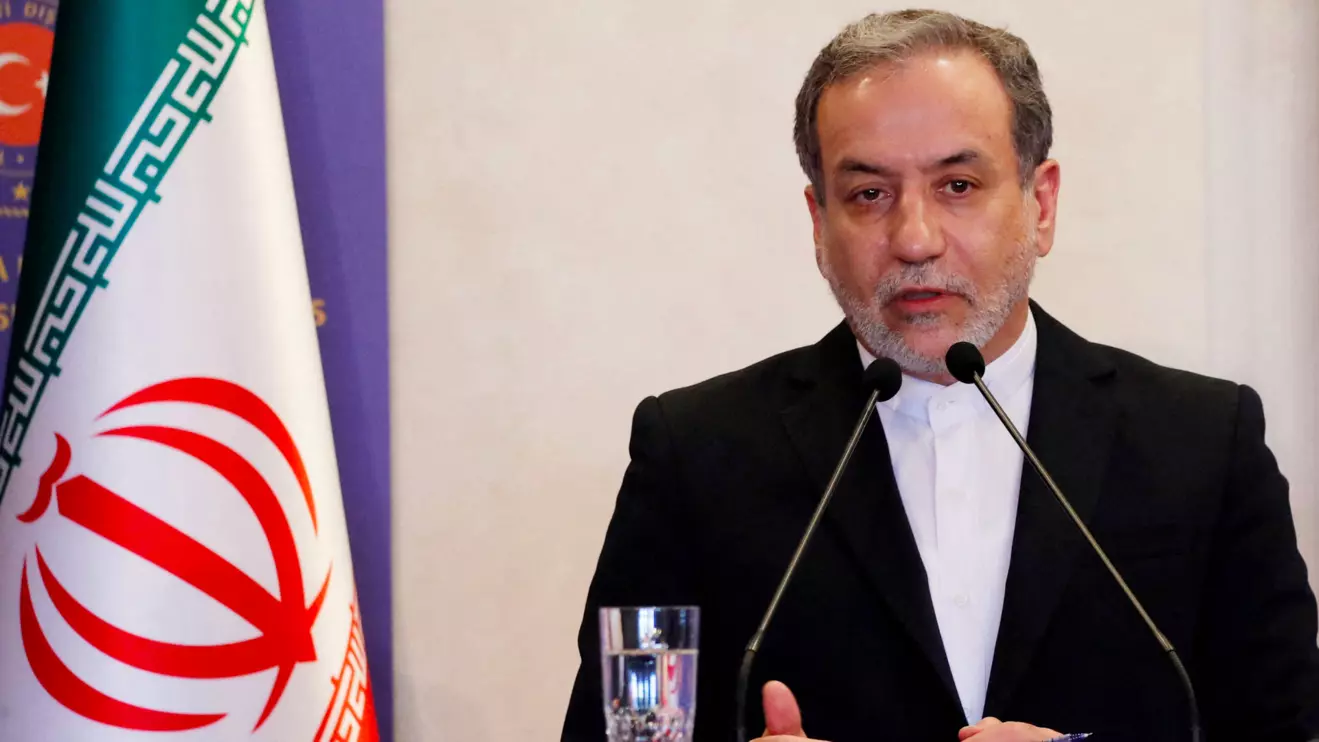
Iran will respond immediately and decisively if its nuclear sites are attacked which would lead to an "all-out war in the region," Tehran's foreign minister told Al Jazeera TV in an interview aired on Friday.
Israel and the U.S. launching a military attack on Iranian nuclear facilities would be "one of the biggest historical mistakes the U.S. could make," Abbas Araqchi said through a translator.
Concerns have grown among Iran's top decision-makers that U.S. President Donald Trump might in his second term empower Israeli Prime Minister Benjamin Netanyahu to strike Iran's nuclear sites while further tightening U.S. sanctions on its oil industry.
Those concerns, coupled with mounting anger within Iran over economic conditions, could drive Tehran toward engaging in negotiations with the Trump administration over the fate of its fast-advancing nuclear programme.
Araqchi suggested that the United States could free blocked Iranian funds as a first confidence-building step between the two hostile countries.
"Iranian assets and funds have been frozen at various points by the U.S (which) has not fulfilled its previous pledges (to free them). These things can be done by the U.S. administration in order to bring confidence between us," Araqchi said.
In 2018, then-President Trump reneged on the 2015 nuclear deal between Iran and a group of world powers and re-imposed harsh U.S. sanctions as part of his "maximum pressure" policy against the country.
In response, Tehran breached the deal in several ways including by accelerating its uranium enrichment.
Trump has vowed to return to the policy he pursued in his previous term that sought to use economic pressure to force the country to negotiate a deal on its nuclear programme, ballistic missile programme and regional activities.
Reporting by Enas Alashray and Ahmed Tolba