Iran launches second satellite this year into orbit, state media says

1 min Mena Today

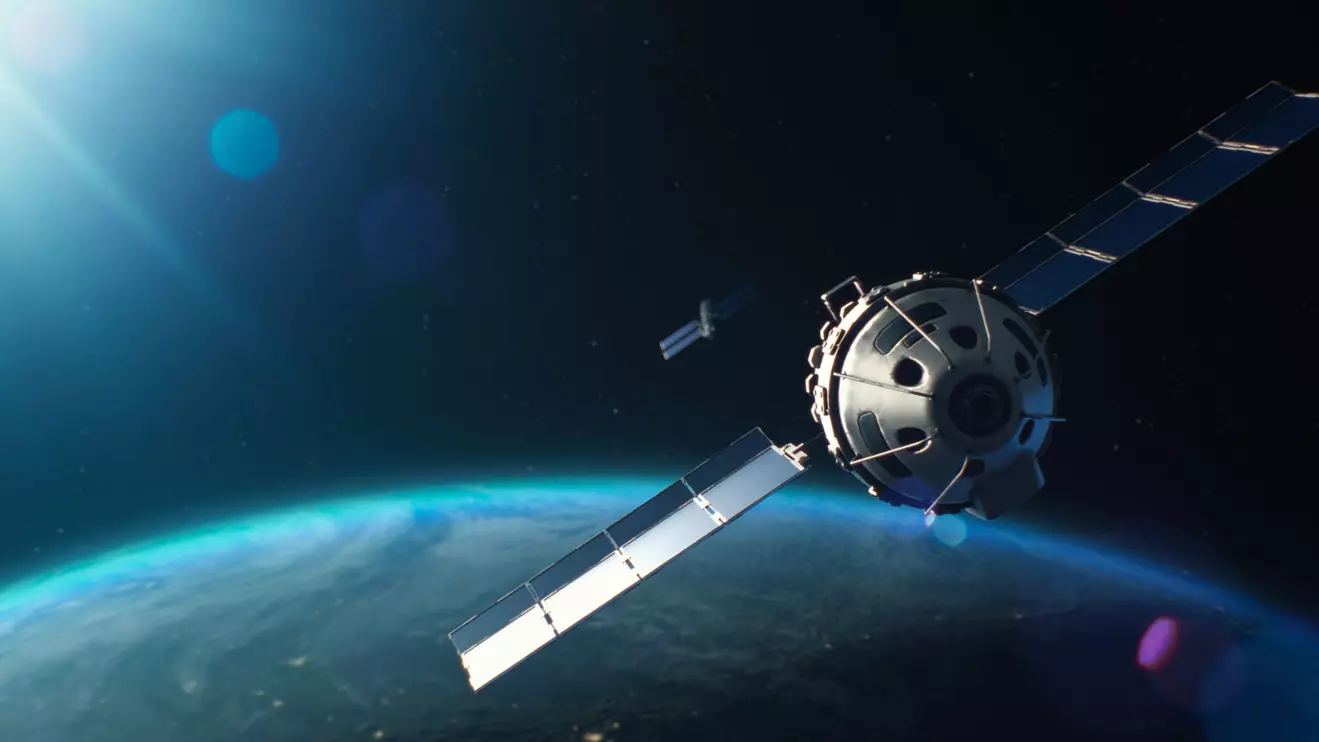
Iran launched its Chamran-1 research satellite into orbit on Saturday, its second successful satellite launch this year, state media reported.

The satellite, designed and built by Iranian Electronics Industries (SAIran), was put into a 550-kilometer (340-mile) orbit, the media said © Mena Today 

The satellite, designed and built by Iranian Electronics Industries (SAIran), was put into a 550-kilometer (340-mile) orbit, the media said © Mena Today 

Iran launched its Chamran-1 research satellite into orbit on Saturday, its second successful satellite launch this year, state media reported.

The launch comes as the United States and European countries accuse Iran of transferring ballistic missiles to Russia that would be likely used in its war with Ukraine within weeks. Iran has denied this.

The satellite, designed and built by Iranian Electronics Industries (SAIran), was put into a 550-kilometer (340-mile) orbit, the media said.

In January, Iranian media reported that the Sorayya satellite was launched into a 750 km orbit, the highest by the country so far.

The U.S. military alleges the long-range ballistic technology used to put satellites into orbit could also allow Tehran to launch long-range weapons, possibly including nuclear warheads.

Tehran denies its satellite activities are a cover for ballistic missile development and says it has never pursued the development of nuclear weapons.

Iran, which has one of the biggest missile programmes in the Middle East, has suffered several failed satellite launches in recent years due to technical issues. 

Dubai newsroom, Editing by Mark Potter

Related

Hezbollah

Hezbollah gets $200 million from Iran, sources say

Hezbollah has received $200 million from Iran to help Lebanese displaced by this year’s war with Israel, two people with direct knowledge of the transfer said, the first significant aid from the group to supporters who bore the brunt of the conflict.

Iran

Talks with Tehran, but who is at the table?

US Vice President JD Vance said in an exclusive interview with Reuters that Iran must make a “meaningful” reduction in its nuclear enrichment capacity to satisfy US demands and end the countries’ seven-month war, even as Washington was unsure how Tehran makes decisions in negotiations.

Subscribe to our newsletter

Mena banner 4

To make this website run properly and to improve your experience, we use cookies. For more detailed information, please check our Cookie Policy.

  • Necessary cookies enable core functionality. The website cannot function properly without these cookies, and can only be disabled by changing your browser preferences.