Iran's new Supreme Leader Mojtaba Khamenei, who may or may not be alive, and who has certainly not been seen in public since his appointment, has declared victory over the enemies of the Islamic Republic in a written message marking the Persian New Year, Nowruz.
One almost chokes on one's tea.
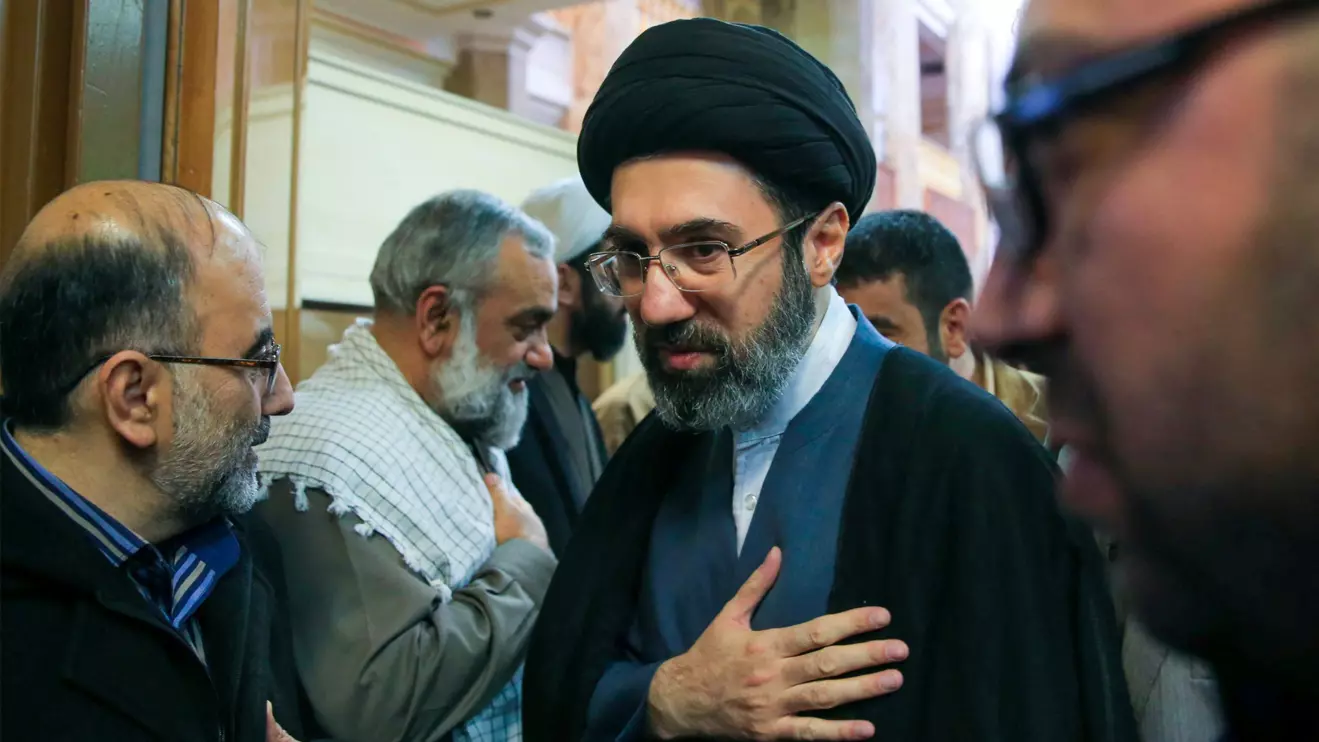
"The enemy has been defeated," wrote the Ayatollah, in a statement read by someone else, accompanied by a photograph of someone who used to look like him, from a location nobody can identify, by a leader nobody has actually seen.
The choice of Nowruz to declare victory was inspired. After all, nothing says "fresh start" quite like a regime that has lost its supreme leader, its intelligence minister, its security chief, its paramilitary commanders and most of its nuclear infrastructure in the space of three weeks.
"Despite all your differences of religious, intellectual, cultural and political origins, the enemy has been defeated," the message continues, omitting to mention that those same united Iranians celebrated in the streets when Khamenei Senior was killed.
Perhaps the most remarkable aspect of this victory announcement is its author. Mojtaba Khamenei, appointed Supreme Leader on March 8, has not been seen in public since. Not at his own inauguration, where a cardboard cutout appeared in his place. Not at his father's funeral. Not at any military ceremony. Not anywhere.
His first public message was read by a television presenter in front of a still photograph.
His second message, this Nowruz victory declaration, follows the same format.
There is something almost admirable about the Islamic Republic's relationship with reality. A regime that has lost its leader, its top officials, its nuclear programme and its regional proxies, and still finds the narrative coherence to announce victory on New Year's Day.
If this is what defeat looks like for the United States and Israel, one shudders to think what Iran's version of losing would be.
Happy Nowruz, Mojtaba. Wherever you are.