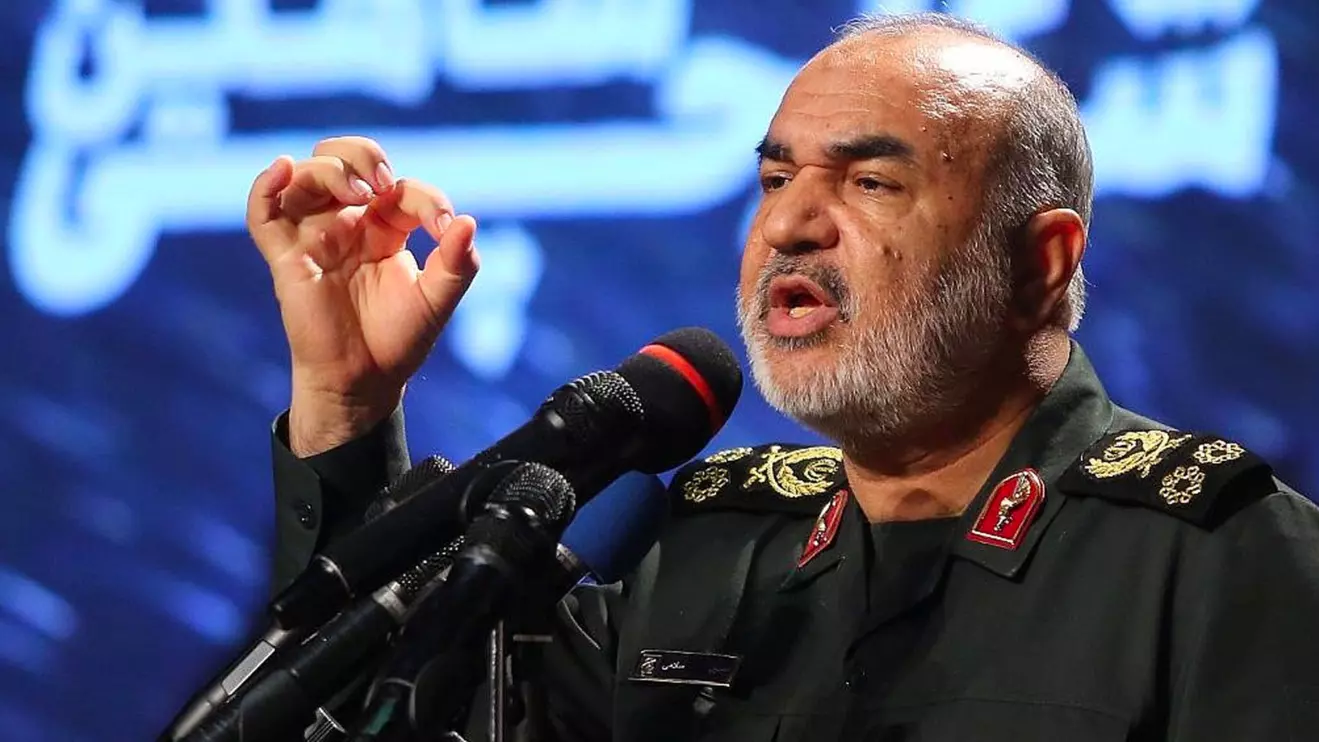
The commander of Iran's Revolutionary Guards said on Tuesday that the Islamic Republic had not been weakened following the fall of its ally Bashar al-Assad in Syria, Iranian media reported.
"We have not been weakened and Iran's power has not diminished," Hossein Salami was quoted as telling members of parliament in a closed session.
Iran and Russia had propped up Assad's rule since Syria's civil war erupted in 2011 with military support, men and airpower. Tehran deployed its Revolutionary Guards to Syria to keep its ally in power to maintain Tehran's "Axis of Resistance" to Israel and U.S. influence in the Middle East.
Assad's exit has eroded Tehran's ability to project power and sustain its network of militia groups across the region, particularly to its ally Hezbollah in Lebanon, which agreed a ceasefire with Israel last month.
"The overthrow of the Zionist regime (Israel) is not off the agenda," Salami said in the session which met to discuss the latest developments in Syria.
Salami said no Iranian forces remained in Syria.
Following Assad's fall from power, Iran's foreign ministry called for a national dialogue to form an inclusive government representing all segments of Syrian society.
Iran's government spokesperson Fatemeh Mohajerani on Tuesday called for "respect for Syria's territorial integrity", saying the Syrian people should decide their own fate.