Iran and the United States have agreed to continue nuclear talks next week, both sides said on Saturday, though Iranian Foreign Minister Abbas Araqchi voiced "extreme cautious" about the success of the negotiations to resolve a decades-long standoff.
U.S. President Donald Trump has signalled confidence in clinching a new pact with the Islamic Republic that would block Tehran's path to a nuclear bomb.
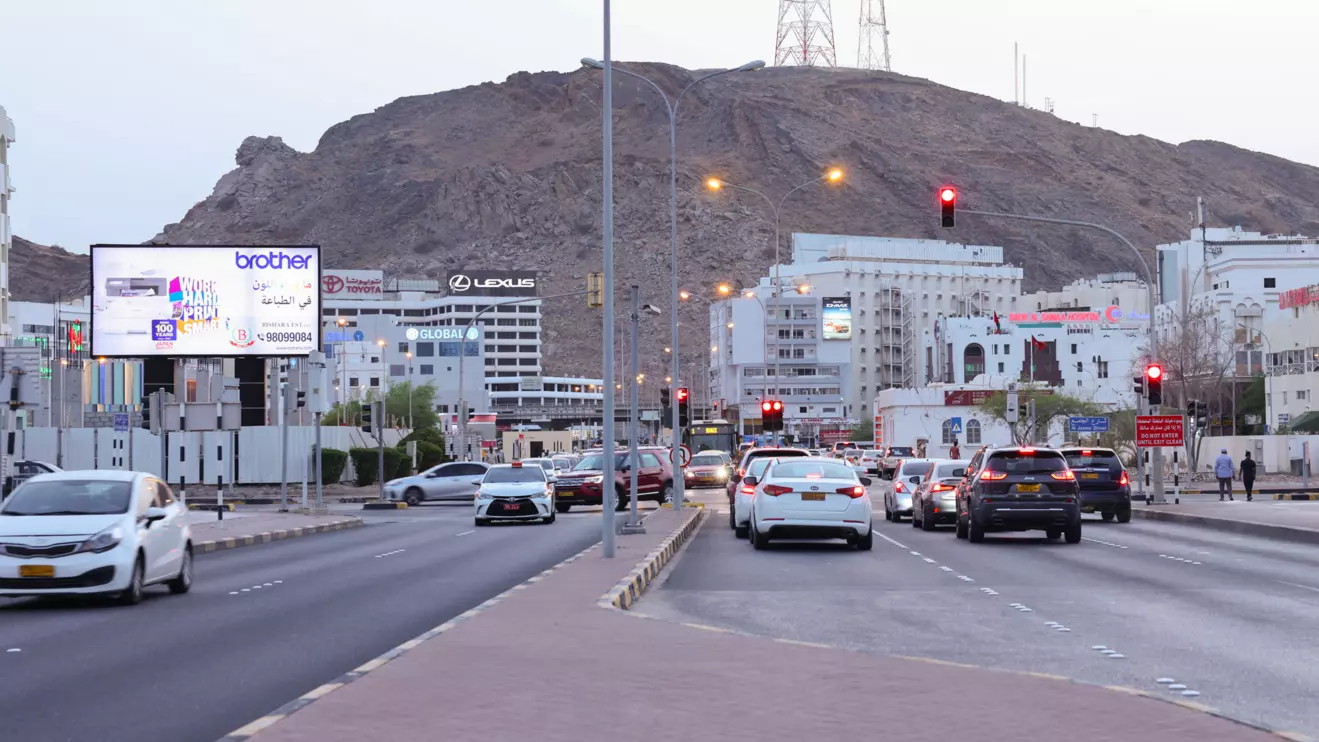
Araqchi and Trump's Middle East envoy Steve Witkoff held a third round of the talks in Muscat through Omani mediators for around six hours, a week after a second round in Rome that both sides described as constructive.
"The negotiations are extremely serious and technical ... there are still differences, both on major issues and on details," Araqchi told Iranian state TV.
"There is seriousness and determination on both sides ... However, our optimism about success of the talks remains extremely cautious."
A senior U.S. administration official described the talks and positive and productive, adding that both sides agreed to meet again in Europe "soon".
"There is still much to do, but further progress was made on getting to a deal," the official added.
Earlier Omani Foreign Minister Badr Albusaidi had said talks would continue next week, with another "high-level meeting" provisionally scheduled for May 3. Araqchi said Oman would announce the venue.
Ahead of the lead negotiators' meeting, expert-level indirect talks took place in Muscat to design a framework for a potential nuclear deal.
"The presence of experts was beneficial ... we will return to our capitals for further reviews to see how disagreements can be reduced," Araqchi said.
An Iranian official, briefed about the talks, told Reuters earlier that the expert-level negotiations were "difficult, complicated and serious".
The only aim of these talks, Araqchi said, was "to build confidence about the peaceful nature of Iran's nuclear programme in exchange for sanctions relief".
Trump, in an interview with Time magazine published on Friday, said "I think we're going to make a deal with Iran", but he repeated a threat of military action against Iran if diplomacy fails.
Shortly after Araqchi and Witkoff began their latest indirect talks on Saturday, Iranian state media reported a massive explosion at the country's Shahid Rajaee port near the southern city of Bandar Abbas, killing at least four people and injuring hundreds.
MAXIMUM PRESSURE
While both Tehran and Washington have said they are set on pursuing diplomacy, they remain far apart on a dispute that has rumbled on for more than two decades.
Trump, who has restored a "maximum pressure" campaign on Tehran since February, ditched a 2015 nuclear pact between Iran and six world powers in 2018 during his first term and reimposed crippling sanctions on Iran.
Since 2019, Iran has breached the pact's nuclear curbs including "dramatically" accelerating its enrichment of uranium to up to 60% purity, close to the roughly 90% level that is weapons grade, according to the U.N. nuclear watchdog.
U.S. Secretary of State Marco Rubio said this week Iran would have to entirely stop enriching uranium under a deal, and import any enriched uranium it needed to fuel its sole functioning atomic energy plant, Bushehr.
Tehran is willing to negotiate some curbs on its nuclear work in return for the lifting of sanctions, according to Iranian officials, but ending its enrichment programme or surrendering its enriched uranium stockpile are among "Iran's red lines that could not be compromised" in the talks.
Moreover, European states have suggested to U.S. negotiators that a comprehensive deal should include limits preventing Iran from acquiring or finalising the capacity to put a nuclear warhead on a ballistic missile, several European diplomats said.
Tehran insists its defence capabilities like its missile programme are not negotiable.
An Iranian official with knowledge of the talks said on Friday that Tehran sees its missile programme as a bigger obstacle in the talks.
(Writing by Parisa Hafezi; Editing by John Davison, Susan Fenton and Alex Richardson)