Iranian missiles and drones fired at Gulf countries

1 min Mena Today

Here are statistics released by Gulf defence ministries on drones and missiles that Iran has fired at their territories since the start of the U.S.-Israeli air war against Iran.

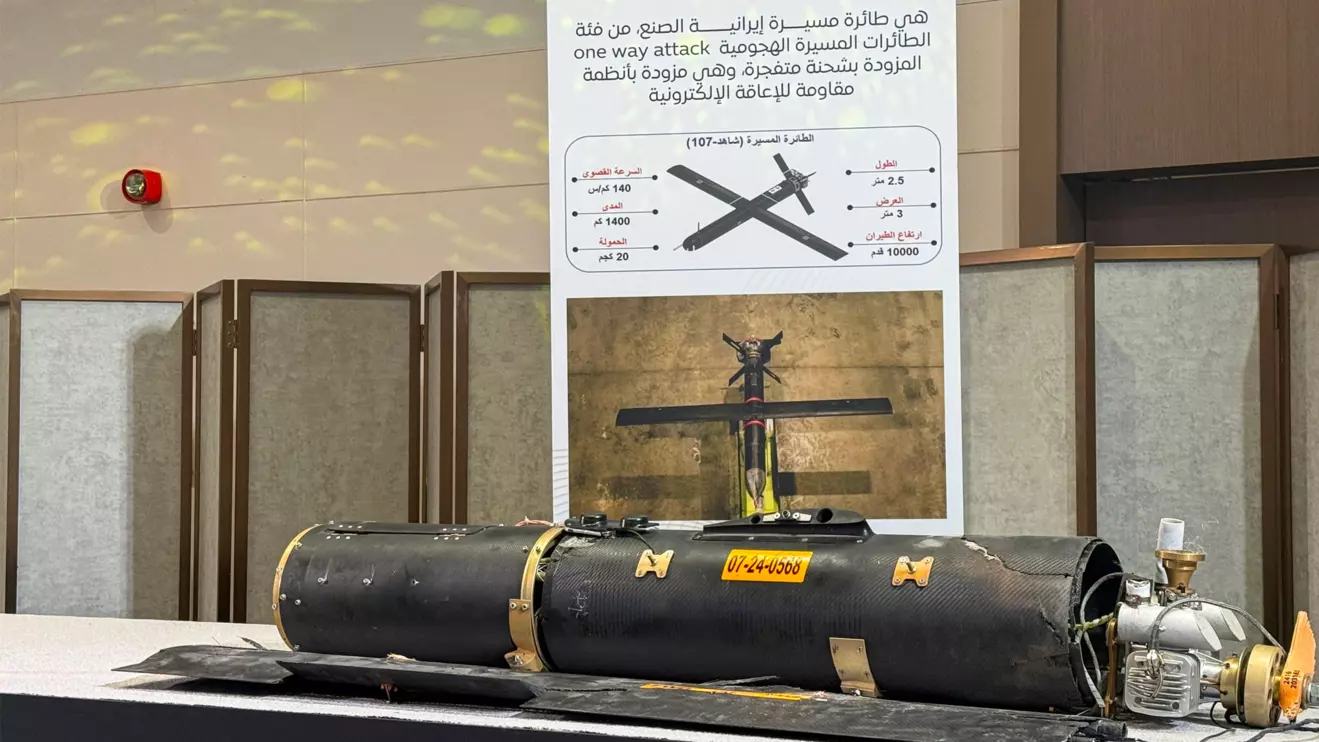
Missiles and drones that the United Arab Emirates says it intercepted during recent attacks are displayed during a government briefing in Abu Dhabi, United Arab Emirates, March 3, 2026. Reuters/Abdelhadi Ramahi

Missiles and drones that the United Arab Emirates says it intercepted during recent attacks are displayed during a government briefing in Abu Dhabi, United Arab Emirates, March 3, 2026. Reuters/Abdelhadi Ramahi

Here are statistics released by Gulf defence ministries on drones and missiles that Iran has fired at their territories since the start of the U.S.-Israeli air war against Iran:

UNITED ARAB EMIRATES: 

Ballistic missiles:

* 186 ballistic missiles detected * 172 intercepted * 13 fell into the sea * 1 landed on UAE territory

Drones:

* 812 drones detected * 755 intercepted * 57 fell within UAE territory

QATAR

Ballistic missiles: 

* 101 ballisistic missles detected * 98 intercepted

Drones: 

* 39 drones detected * 24 drones intercepted

Cruise missiles: 

* 3 cruise missles detected and intercepted

Aircraft: 

* 2 Sukhoi SU-24 aircraft detected and intercepted

BAHRAIN

Missiles: 

* 73 missiles destroyed

Drones: 

* 91 drones destroyed

KUWAIT

Ballistic missiles:

* 178 ballistic missiles monitored and intercepted

Drones:

* 384 drones monitored and intercepted

No data was available for Saudi Arabia and Oman. 


(Reporting by Andrew MillsEditing by Gareth Jones)

Reporting by Andrew Mills

Related

Hezbollah

Hezbollah gets $200 million from Iran, sources say

Hezbollah has received $200 million from Iran to help Lebanese displaced by this year’s war with Israel, two people with direct knowledge of the transfer said, the first significant aid from the group to supporters who bore the brunt of the conflict.

Iran

Talks with Tehran, but who is at the table?

US Vice President JD Vance said in an exclusive interview with Reuters that Iran must make a “meaningful” reduction in its nuclear enrichment capacity to satisfy US demands and end the countries’ seven-month war, even as Washington was unsure how Tehran makes decisions in negotiations.

Subscribe to our newsletter

Mena banner 4

To make this website run properly and to improve your experience, we use cookies. For more detailed information, please check our Cookie Policy.

  • Necessary cookies enable core functionality. The website cannot function properly without these cookies, and can only be disabled by changing your browser preferences.