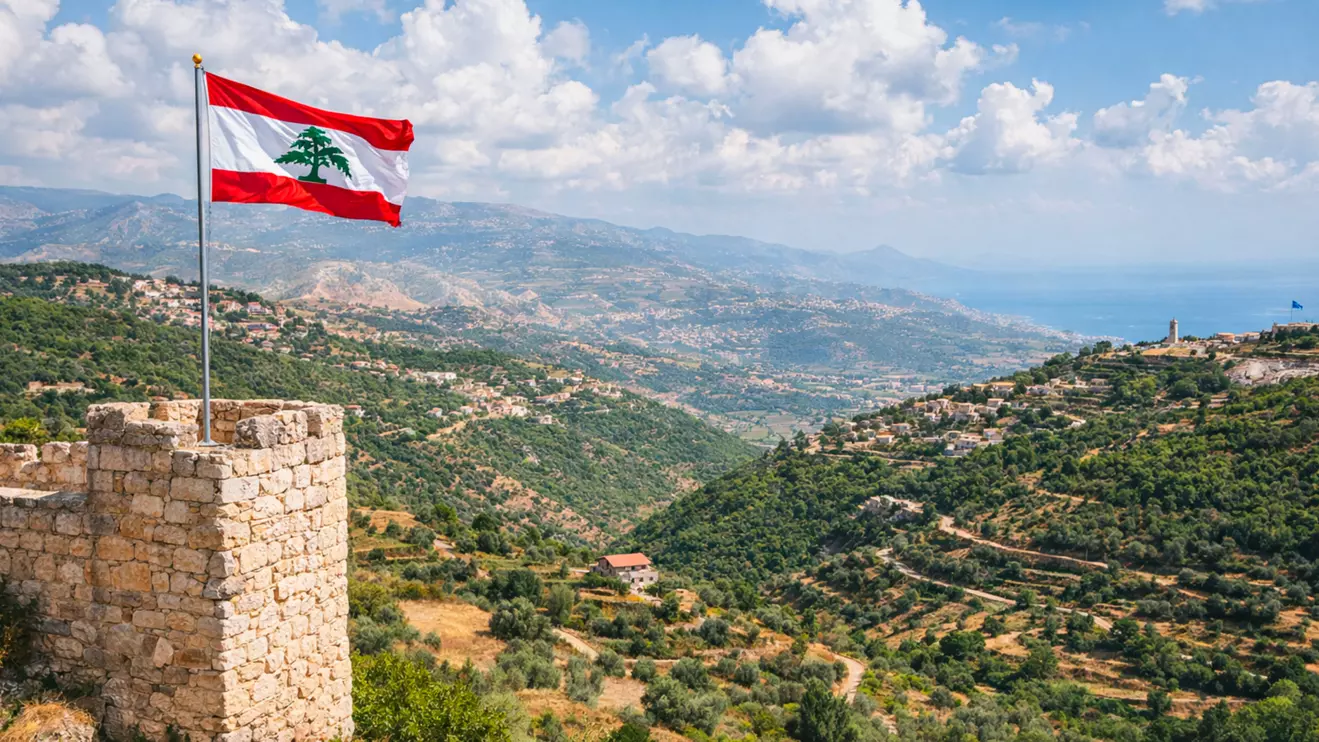
Israel's military will occupy southern Lebanon up to the Litani River, defence minister Israel Katz said on Tuesday, the first time Israel has clearly spelled out its intent to seize swathes of territory that make up nearly a tenth of Lebanon.
Katz has previously threatened Lebanon's government it would lose territory if it did not disarm Hezbollah, the militant group backed by Tehran that drew Lebanon into the U.S.-Israeli war on Iran when it fired into Israel on March 2.
On Tuesday, Katz said in a meeting with the military chief of staff that the military would "control the remaining bridges and the security zone up to the Litani", and was creating a "defensive buffer".
The Litani River meets the Mediterranean about 30 km (20 miles) north of the Israeli border with Lebanon.
The military has destroyed five bridges over the river since March 13 and has accelerated the demolition of homes in Lebanese villages close to the Israeli border as part of a campaign that Israel says is aimed at Hezbollah and not Lebanese civilians.
Under international law, attacks on civilian infrastructure, including homes and bridges, are generally prohibited.
The Israeli military declined to comment on the defence minister's remarks. The military has previously said ground troops were carrying out limited and targeted raids close to the border with Israel.
ISRAEL SEEKS DEFENSIVE BUFFER LIKE IN GAZA, SAYS KATZ
Katz said there could be no homes or residents in areas of southern Lebanon where there was "terror" in the area, in an apparent reference to Hezbollah, whose fighters have continued to launch daily rocket and drone attacks into Israeli territory and battle Israeli troops in southern Lebanese villages.
Katz said Israeli soldiers were manoeuvring in Lebanon to establish a "forward defensive line", fighting Hezbollah militants and destroying infrastructure used by the group, including homes that he said function as "terrorist outposts".
Israel's strikes on Lebanon have caused widespread destruction across the country's south and parts of the capital, Beirut, and have killed more than 1,000 people.
Over a million people have been forced from their homes. The United Nations human rights chief has criticised Israel's actions, particularly its use of widespread evacuation orders.
By Alexander Cornwell and Maya Gebeily