Israel said on Friday it had intercepted a projectile launched from Lebanon and vowed a strong response to protect its security - the latest strains to a shaky truce that ended a year-long war between Israel and Lebanese armed group Hezbollah.
A senior Hezbollah official denied in a statement that the group was involved in the rocket launch, which followed a rocket salvo into northern Israel on March 22 for which the Iranian-backed group also denied responsibility.
Hezbollah said the incidents appeared to be part of a suspected attempt to create pretexts for the continuation of Israeli military action in Lebanon.
Defence Minister Israel Katz said Israel held Lebanon responsible for missile fire on the Galilee area in northern Israel. "We will ensure the security of the residents of Galilee and will act forcefully against any threat," he said.
A second projectile launched on Friday landed inside Lebanon, the Israeli military said.
The truce disruptions have coincided with Israel's renewal of war against Palestinian militant group Hamas in Gaza, breaking a two-month-old ceasefire after the two sides could not agree on terms for extending it.
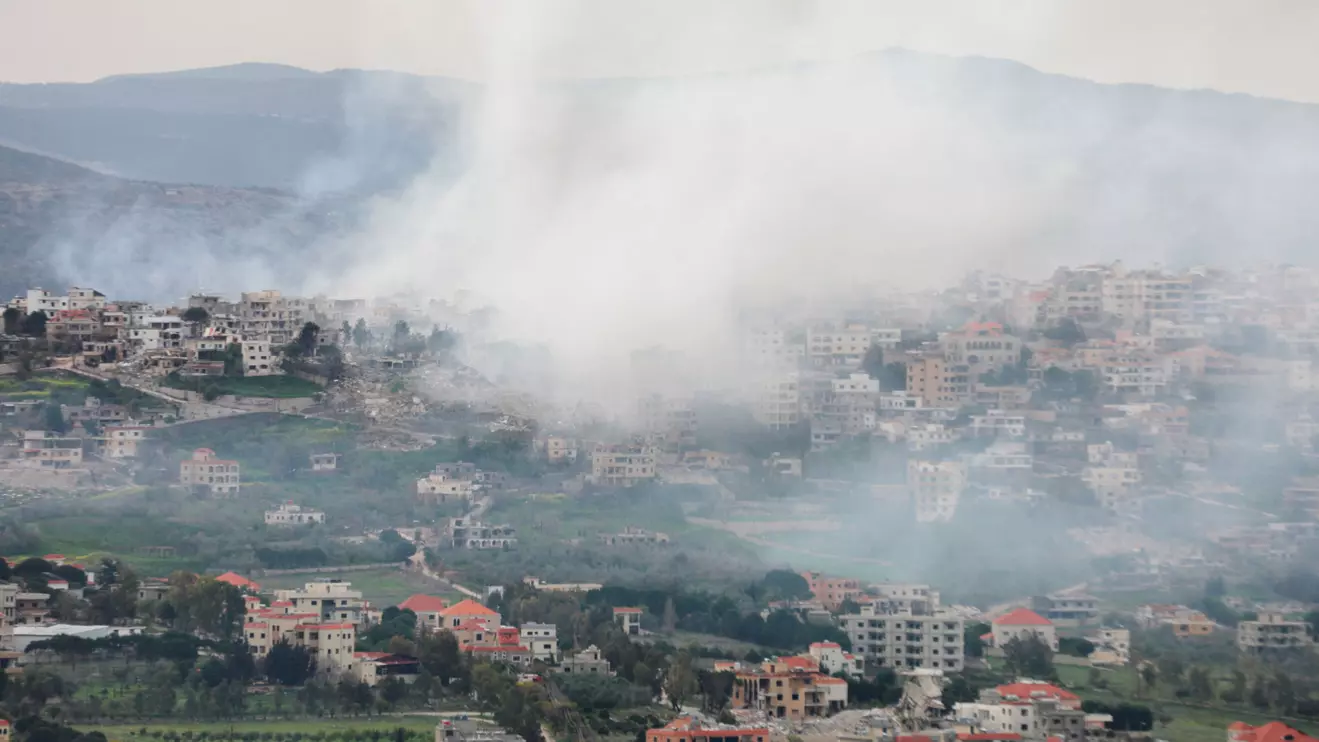
Israeli artillery and airstrikes hit southern Lebanon on March 22, killing at least eight people, after Israel said it intercepted rockets fired from across the border.
Hezbollah denied responsibility for rockets fired on Saturday, saying it had "no link" to the launches and remained committed to the ceasefire.
Under a deal agreed in November, Hezbollah was to remove its weapons from southern Lebanon, Israeli ground forces were to withdraw, and the Lebanese army was to deploy in the area.
The agreement tasked Lebanon's government with dismantling military infrastructure in the south and confiscating unauthorised weapons.
The truce ended Israel's bombardment and ground operations in Lebanon, as well as Hezbollah's daily rocket fire into Israel. Both sides have accused each other of failing to fully implement the terms.
Israel says Hezbollah maintains military positions in the south. Lebanon and Hezbollah say Israel continues to violate the deal by carrying out airstrikes and keeping troops at five hilltop positions near the border.
By Tala Ramadan and James Mackenzie