Israel's military intelligence has begun taking a hard look at the "Libya corridor" and Turkey's growing military and diplomatic influence in the region, the Jerusalem Post reports.
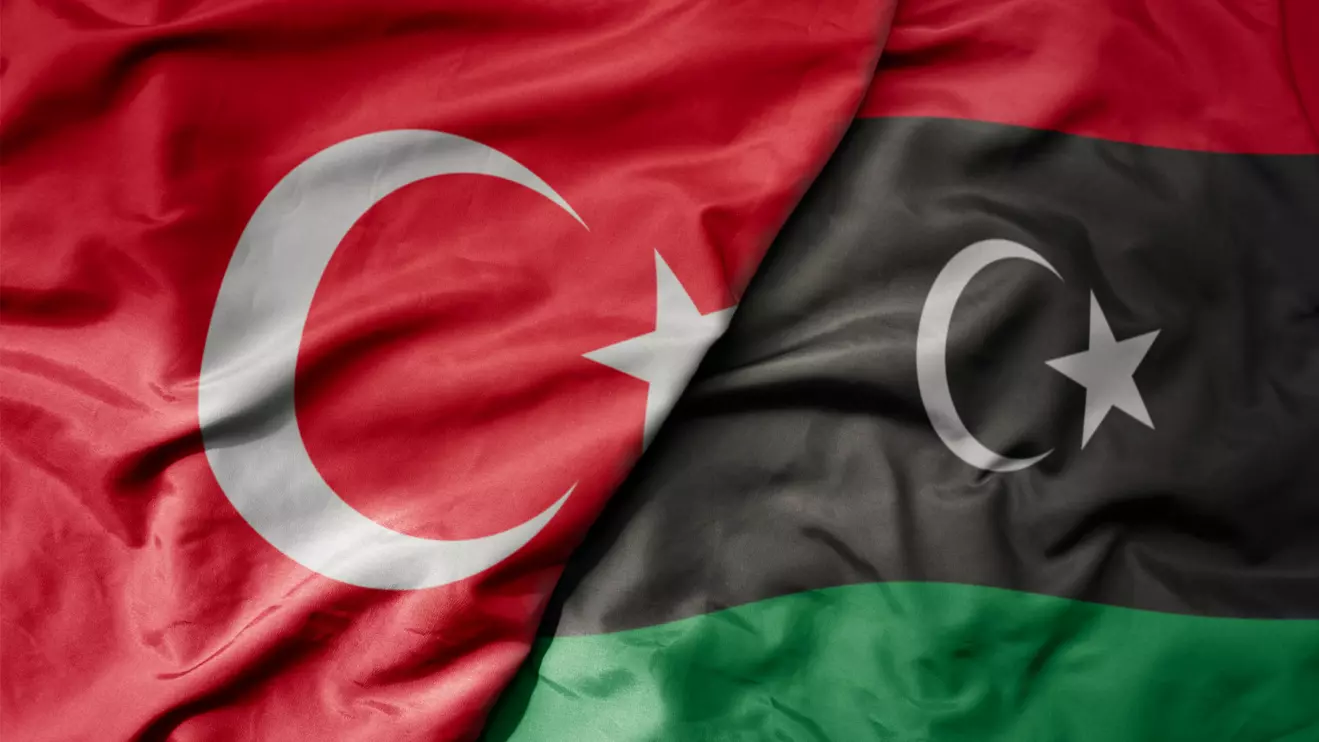
It all stems from a 2019 maritime agreement between Ankara and Libya's politically and militarily divided government.
The deal carves out an artificial corridor between the Turkish and Libyan coasts, simply ignoring the chain of Greek islands in between, including Crete and Rhodes. The result: the Mediterranean is effectively split in two.
In exchange for its military backing of Libya, President Recep Tayyip Erdogan secured a presence in Libyan ports, an air presence, and energy exploration rights on Libyan territory.
Turkish advisers are on the ground, and senior commanders visit frequently. This security reality, Israeli officials say, allows Ankara to build military infrastructure and disrupt military and civilian activity, including commercial shipping, far beyond its internationally recognized borders.
For Israel, the stakes are concrete. The arrangement is meant to block, or at least disrupt, the planned gas pipeline from Israel to Europe via Cyprus and Greece.
Turkey argues any such project must cross its territory and win its approval. Undersea communications and electricity cables are also at risk of damage. And with 98% of Israeli imports arriving by sea, the country is acutely sensitive to any threat to freedom of navigation, especially as tensions persist in Hormuz and Bab al-Mandab.
A file under close watch
Israel's defense establishment, including the IDF Intelligence Directorate, the Mossad and Israel Navy intelligence, sees these moves as an attempt to constrain and isolate Israel, on top of what it views as clear and direct threats from Erdogan.
Intelligence services are also monitoring Hamas efforts to establish infrastructure in the region, mainly logistical. The developments come against the backdrop of Israeli energy agreements with Greece, Cyprus and Egypt.
Note: The 2019 agreement is rejected by Greece, Cyprus, Egypt and Israel, and the European Union has formally rejected its legal validity. Turkey defends its legality.