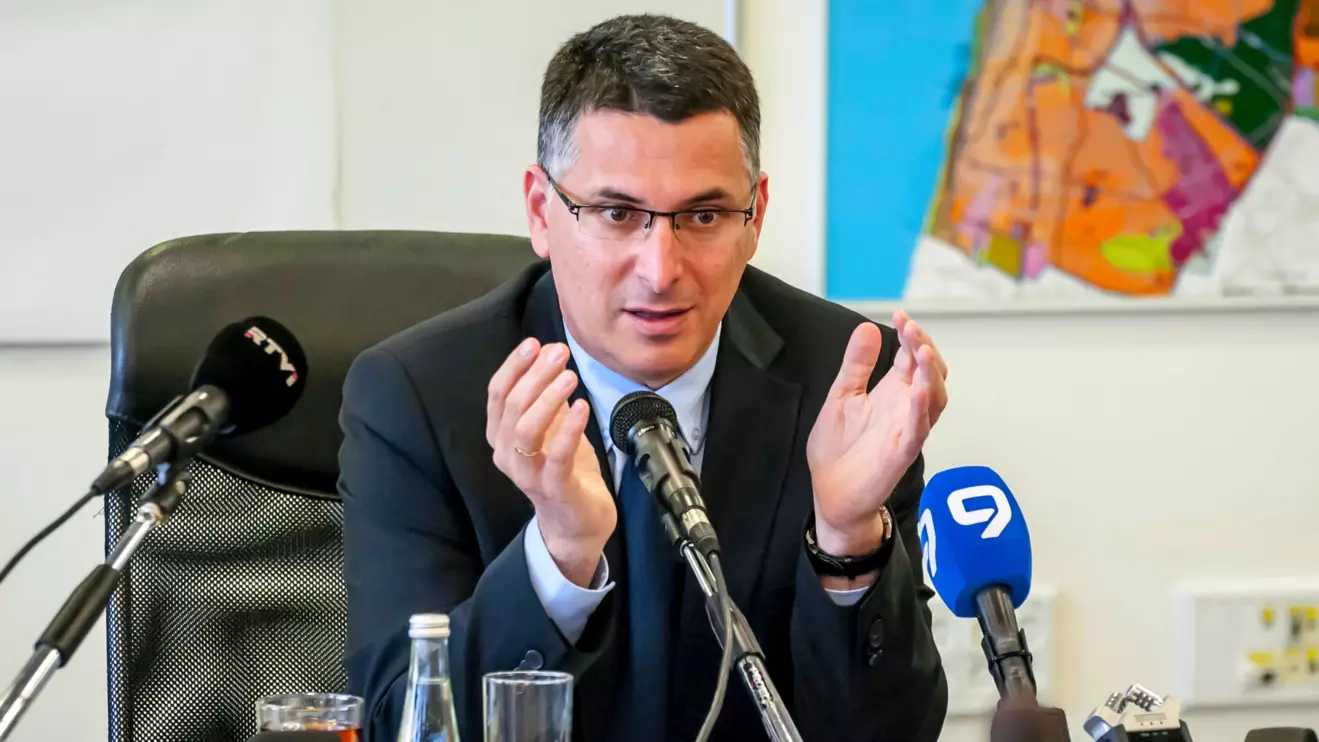
Israeli Foreign Minister Gideon Saar expressed hope on Thursday that the election of Lebanon's new president, Joseph Aoun, would contribute to the country's stability and foster improved neighborly relations.
"I congratulate Lebanon on the election of a new president after a prolonged political crisis," Saar wrote on social media platform X. "I hope this choice will contribute to stability, a better future for Lebanon and its people, and good relations between neighbors."
The election of Joseph Aoun marks the end of a political deadlock that left Lebanon without a president for over two years, during which the country grappled with severe economic and social crises.
Aoun, who served as the commander of the Lebanese Armed Forces, has been seen as a unifying figure amidst Lebanon's deeply divided political landscape.
Saar’s statement reflects Israel's cautious optimism regarding the leadership change in its northern neighbor.
Lebanon and Israel, which remain technically at war, have long had a contentious relationship, marred by territorial disputes and the presence of Hezbollah, an Iran-backed militant group, in Lebanon.
While the Israeli Foreign Minister's remarks signal a willingness to engage constructively, the broader implications for bilateral relations remain uncertain. Aoun's presidency will likely focus on addressing Lebanon's internal challenges, including economic recovery and governance reform.