Hezbollah
Hezbollah's last battle
The Shiite militia had been preparing since November 2024. Everything else was smoke and mirrors.
Israeli Defense Minister Israel Katz declared Monday that the "limited" ground operation launched in South Lebanon will continue "until Hezbollah no longer poses a threat to the residents of northern Israel" - drawing a direct parallel with Israel's military campaign in Gaza.
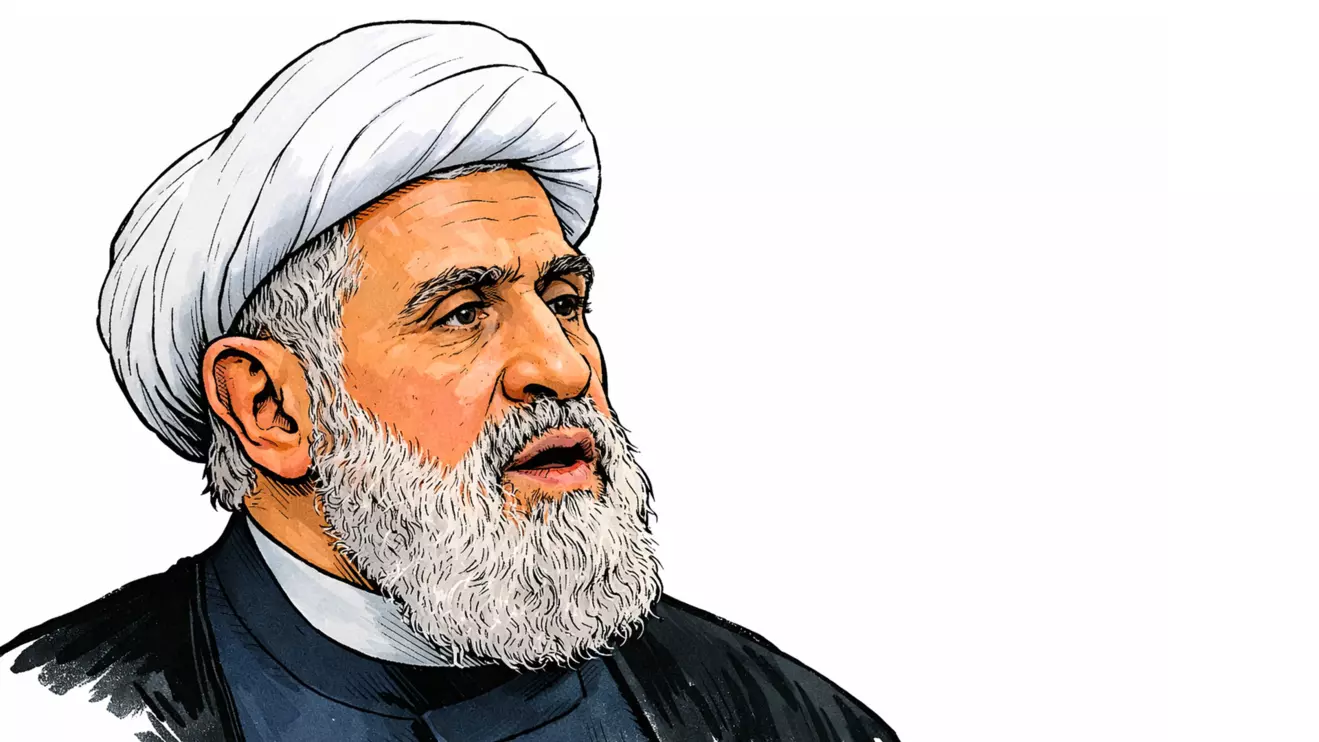
Hezbollah chief Naim Kassem © Mena Today
Israeli Defense Minister Israel Katz declared Monday that the "limited" ground operation launched in South Lebanon will continue "until Hezbollah no longer poses a threat to the residents of northern Israel" - drawing a direct parallel with Israel's military campaign in Gaza.
Katz instructed the IDF to "destroy terrorist infrastructure near the border to prevent Hezbollah's return », modelling the operation on strikes against Hamas in Rafah, Beit Hanoun and the destruction of Gaza's tunnel network.
On the humanitarian dimension, the minister was unequivocal: "The hundreds of thousands of Shiite residents of South Lebanon will not return to the area south of the Litani River until the security of northern Israel's residents is guaranteed."
Katz reserved his sharpest words for Hezbollah chief Naim Kassem, whom he accused of "hiding underground while his actions turn more than one million Lebanese into refugees in their own country." The threat was explicit: Kassem would "soon join in the depths of hell" his predecessor Hassan Nasrallah, eliminated in September 2024, and Iranian Supreme Leader Ali Khamenei, killed on February 28, 2026.
Hezbollah, Katz concluded, will pay "a heavy price" for its efforts to destroy Israel.
The Shiite militia had been preparing since November 2024. Everything else was smoke and mirrors.
Israel said on Monday it has detailed plans for at least three more weeks of war as its military pounded sites across Iran overnight, while Iranian drone attacks temporarily shut Dubai airport and hit a key oil facility in the United Arab Emirates.
Drive through the main arteries of South Lebanon today and the landscape tells a story that Beirut's government would rather not acknowledge: this is not Lebanon. This is Hezbollah's territory — and it looks like an Iranian province.
To make this website run properly and to improve your experience, we use cookies. For more detailed information, please check our Cookie Policy.
Necessary cookies enable core functionality. The website cannot function properly without these cookies, and can only be disabled by changing your browser preferences.