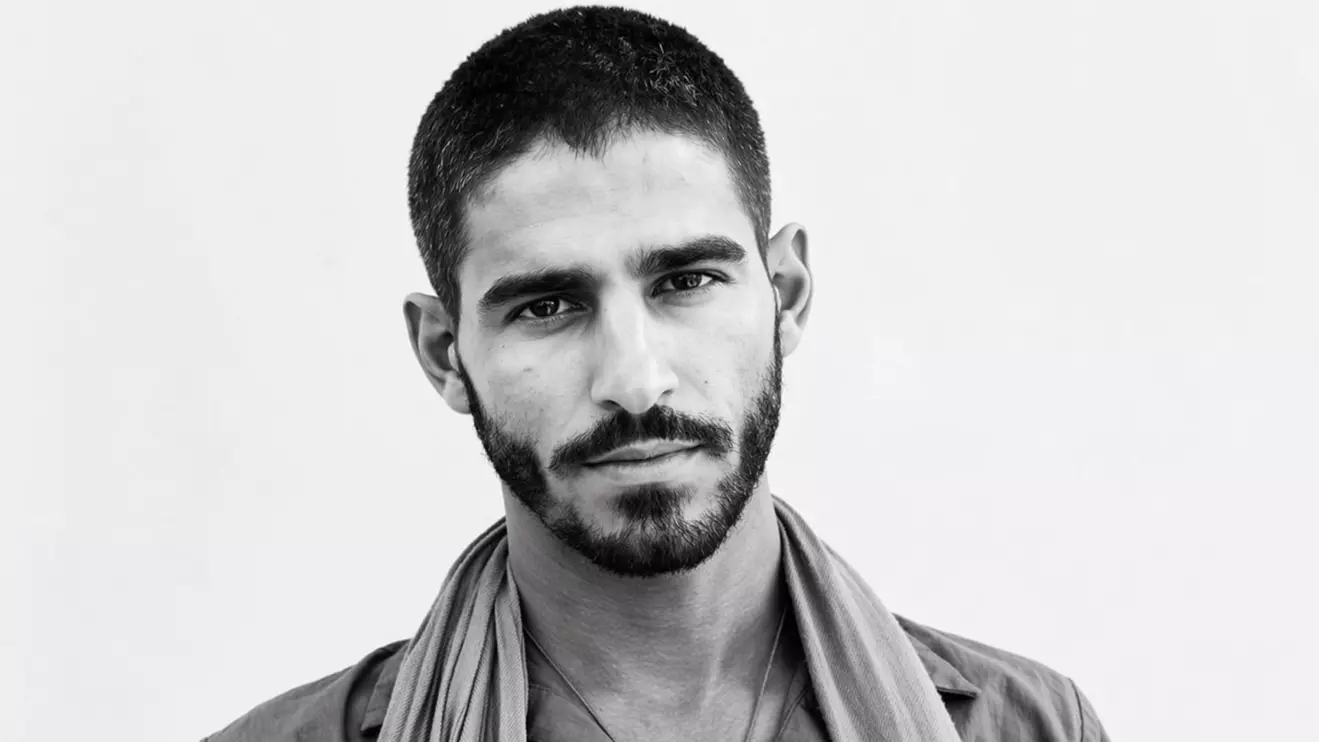
Kuwaiti authorities have detained U.S.-Kuwaiti journalist Ahmed Shihab-Eldin who has not been seen for six weeks, a media watchdog said, during a wider crackdown by Gulf nations on people for filming or posting footage during the Iran war.
Shihab-Eldin, a 41-year-old journalist who was visiting family in Kuwait, has not posted online or been seen in public since March 2, the New York-based Committee to Protect Journalists said on Monday.
CPJ said he had been charged with spreading false information, harming national security and misusing his mobile phone.
Kuwait enacted a law on March 15 including a provision carrying prison terms of up to 10 years for spreading false rumours related to military entities with the intent of undermining confidence in them.
Government spokespeople did not immediately respond to Reuters' attempts to obtain comment on Shihab-Eldin's case via email and telephone.
Elsewhere in the Gulf, authorities have reported hundreds of arrests of people filming sites affected by the Middle East conflict or sharing related material online.
Iran responded to U.S.-Israeli strikes from February 28 by targeting U.S. military and energy installations in neighbouring Gulf states.
Shihab-Eldin had posted before his detention on publicly available videos and images related to the war. The last posts on his Substack account include footage showing a U.S. fighter jet crash near a U.S. air base in Kuwait.
Shihab-Eldin describes himself as an independent journalist who has worked for various international media outlets including the New York Times, HBO, Vice, PBS, BBC and Al Jazeera. It was unclear if he was working, as well as seeing family, during his visit to Kuwait.
'JOURNALISM NOT A CRIME'
"We call on Kuwait to release Ahmed Shihab-Eldin and drop all charges against him,” said CPJ Regional Director Sara Qudah. “Journalism is not a crime."
U.N. official Francesca Albanese, who is the special rapporteur for the Palestinian territories, also called for his release, praising him as a "journalist of rare strength, integrity and compassion."
Reuters could not independently verify the circumstances of his detention or the reported charges.
In Kuwait, the Interior Ministry said on February 28 that the public should refrain from filming missile interceptions, sharing such footage on social media, or filming security personnel at work.
It urged residents to rely on official sources.
On March 2, state news agency KUNA reported that the ministry had arrested a number of people over what it described as violations affecting public security, including filming events and circulating video clips.
Reuters could not independently confirm the arrests.
Qatar's Interior Ministry said on March 9 that 313 people of various nationalities had been arrested for filming and circulating video clips, spreading misleading information and rumours, and publishing material aimed at stirring public concern.
In the United Arab Emirates, Abu Dhabi police in a statement on April 8 said 375 people of various nationalities had been arrested over filming locations and sharing misleading information on social media in connection with "current events", and that the cases had been referred to prosecutors.
Reuters could not determine how the cases have proceeded.
There was no immediate response from Qatar or the UAE to Reuters requests for comments.
Editing by Andrew Cawthorne