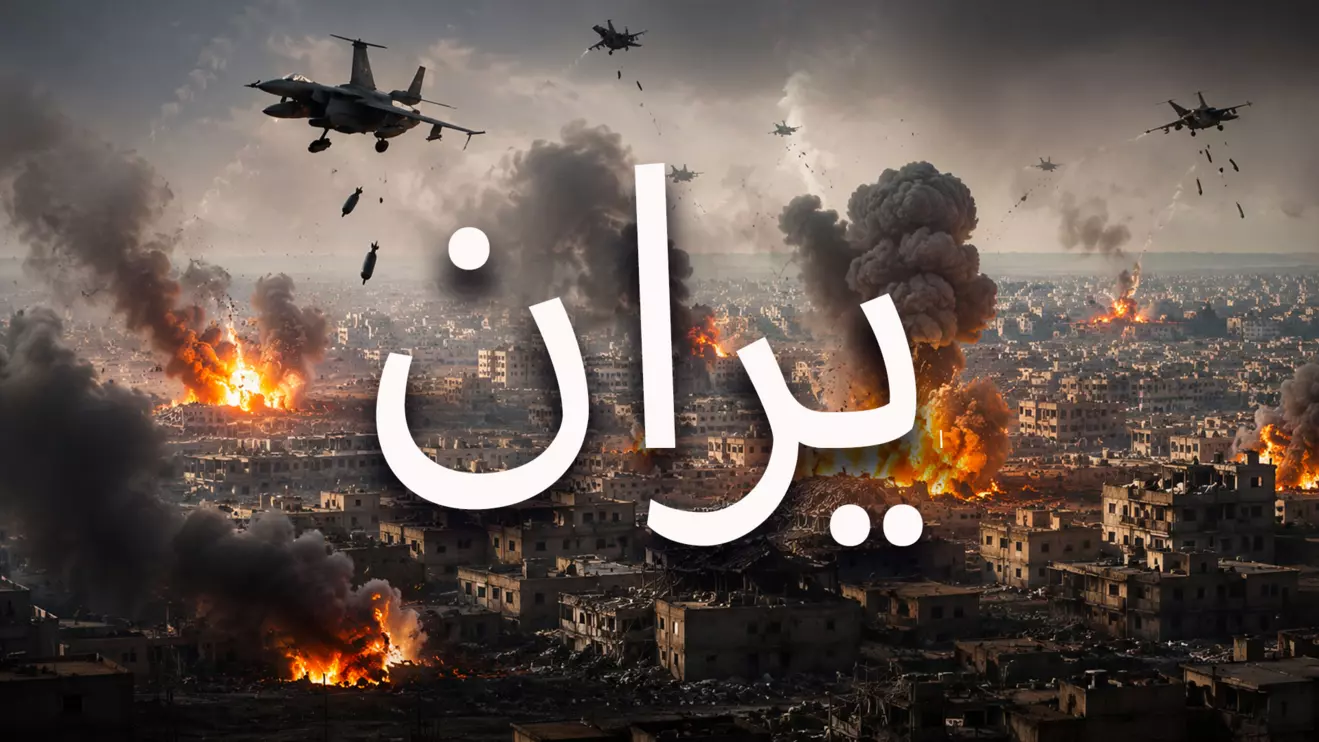
The U.S. military said on Wednesday that it was launching fresh strikes on Iran aimed at keeping the critical Strait of Hormuz open to traffic, hours after President Donald Trump declared that an interim agreement to end the war with Iran was "over."
In a flare-up that sent oil prices up about 7%, Iran said on Wednesday it had struck U.S. military sites in Bahrain and Kuwait, triggering U.S. retaliatory strikes. The escalation had been triggered by Iran's attacks on Tuesday on three cargo ships in the Strait of Hormuz.
"At the direction of the Commander in Chief, U.S. Central Command forces have started conducting additional strikes against Iran to further degrade their ability to threaten freedom of navigation in the Strait of Hormuz," U.S. Central Command wrote in a post announcing Wednesday's fresh round of strikes on X.
"The United States is holding Iran accountable for recent unjustified aggression against commercial shipping and civilian crews freely navigating a vital international waterway."
Control of the strait, through which a fifth of global oil supplies pass, has given Tehran immense leverage, effectively allowing it to force a stalemate with the world's most powerful military. While Iran has not claimed responsibility for the attacks, analysts say Tehran uses such actions to underscore that leverage as it negotiates a long-term peace deal with the U.S.
The latest exchange of strikes has rattled a shaky ceasefire agreement and dented hopes of turning the memorandum of understanding signed on June 17 into a permanent peace deal to end the war, which began with U.S.-Israeli airstrikes on Iran on February 28.
"If we make a deal with Iran I'm not sure that will stick," Trump had said during a press conference in Ankara, Turkey, on Wednesday where he was attending a summit of the NATO military alliance. "I found them to be very dishonourable people."
But Trump, who has repeatedly threatened to escalate military action before backing off, said he did not expect a return to full-fledged war, and that it was not clear whether the negotiations on reaching a permanent deal would continue.
By Humeyra Pamuk, Gram Slattery and Tala Ramadan