Oman and Iran discussed safeguarding maritime corridors and ensuring the smooth flow of global shipping and trade, the Omani foreign ministry said in a statement on Tuesday, as shipping through the Strait of Hormuz continued to be disrupted.
The talks took place during a visit by Iran's Foreign Minister Abbas Araqchi to Oman, which holds the southern coast of the Strait of Hormuz, a key shipping route for global energy, and has played a role as mediator in the crisis that broke out when the US and Israel attacked Iran on February 28.
Araqchi and Oman's Foreign Minister Badr Albusaidi talked about revitalising channels for dialogue and negotiation to prevent escalations.
"These efforts aim to expand areas of mutual understanding among the concerned parties and prevent the widening of the crisis and its repercussions," the ministry said.
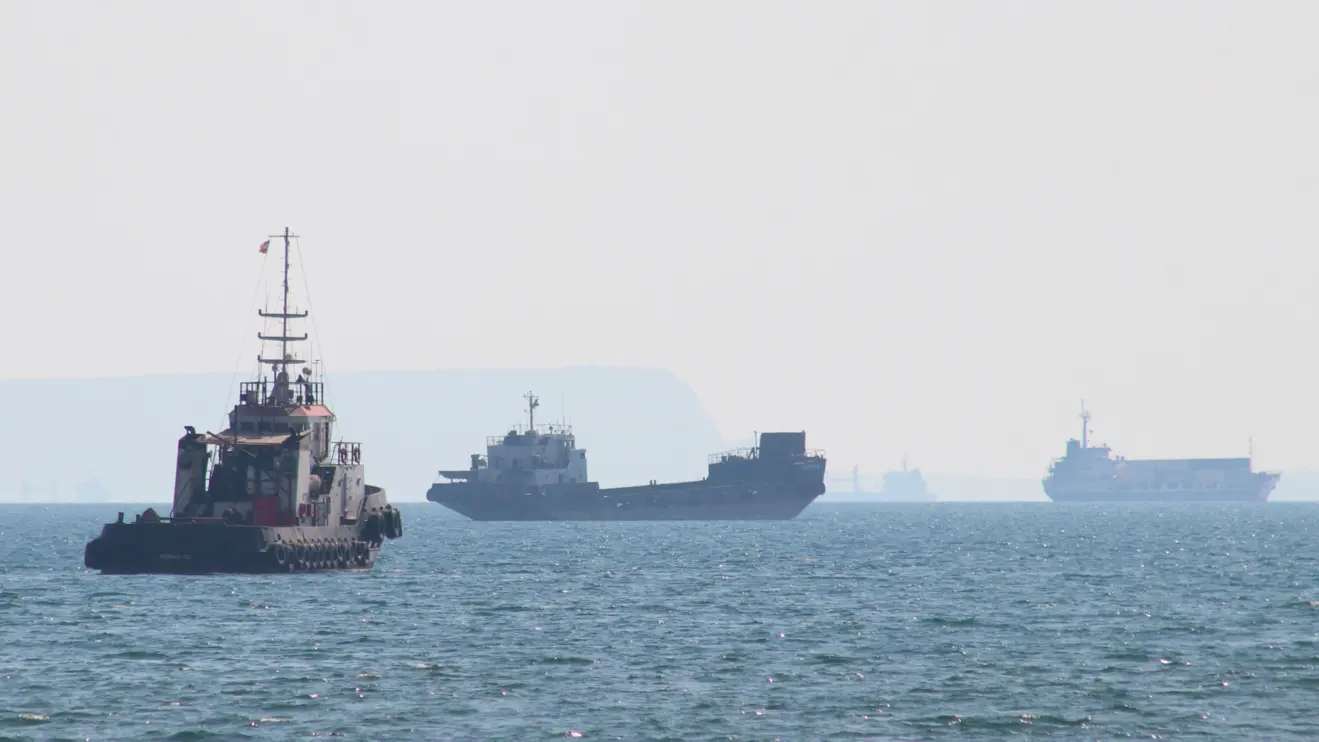
Attacks on tankers in the strait have increased as Tehran continues to disrupt shipping in the vital waterway while Washington maintains a naval blockade on Iran in response.
The Strait of Hormuz carried one-fifth of global energy supplies before the conflict and remains a sticking point in negotiations aimed at ending the nine-month-old war.
Iran attacked ship navigation systems on the Omani island of Didamar in the strait last week, according to three sources with knowledge of the matter.
The three sources did not provide a damage assessment and Reuters could not determine independently if any navigation systems were destroyed in the attacks.
The attacks showed Tehran's ability to target infrastructure used to restore Gulf oil flows as exporters explore alternative ways to get cargoes to buyers, such as ship-to-ship transfers (STS) off the coast of Oman and the United Arab Emirates, while the US military aids commercial vessels transiting the strait.
Oman and Iran have previously held on-and-off talks about controlling traffic in the strait, most recently in August. Before the war, shipping passed freely through the strait, which sits in the territorial waters of both countries but is generally regarded as an international waterway.
The disruption to shipping has threatened oil supplies and sparked a global economic crisis, while the war continues to spill over into other parts of the Middle East.
Reporting by Nayera Abdallah