Israel needs strength and diplomacy. Treating them as enemies is the real danger.
Israel faces one of the most dangerous moments in its history, and the danger is exactly why it cannot afford leadership that mistakes noise for strategy.
The Iranian threat is real. Hezbollah is real. Hamas is real. The nuclear danger is real. No serious person minimizes any of it. But a threat this grave demands clear thinking, not panic dressed up as resolve.
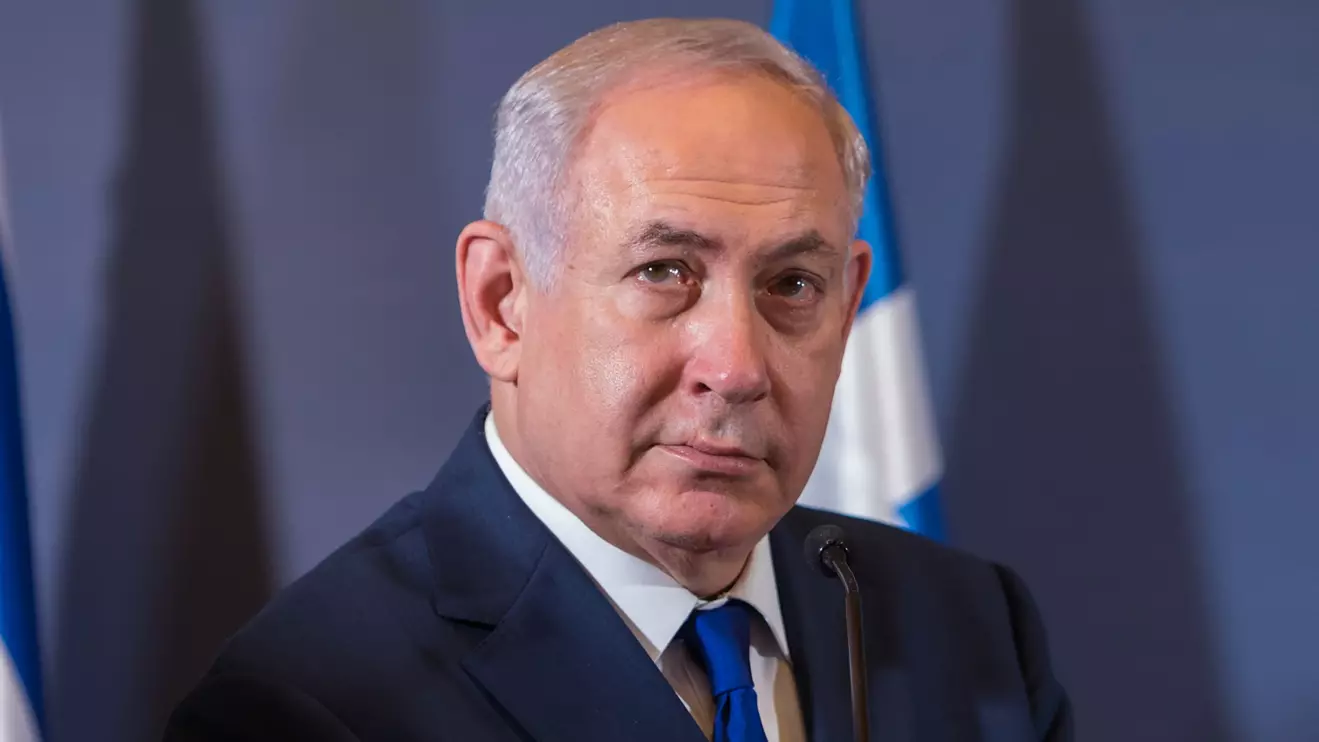
Benjamin Netanyahu has spent years casting himself as the only man who can keep Israel safe. That claim is wearing thin. A leader who uses fear to hold his base, prolong his relevance, and outrun accountability is not shielding the country. He is binding it to his own survival.
War is sometimes unavoidable. Force is sometimes necessary. Israel must always keep its military edge and the credibility of its deterrence beyond question.
But force alone cannot answer the nuclear question. Bombs delay a program. They destroy facilities. They kill commanders. They cannot erase knowledge, ambition, ideology, or stockpiles buried underground. The nuclear file is not only a military problem. It is a diplomatic, intelligence, technological, and strategic one, and it has to be fought on all of those fronts at once.
That is why diplomacy is not weakness. Diplomacy backed by strength is not surrender. It is a weapon, and a country that refuses to use it fights with one hand tied behind its back.
Consider how tangled the moment has become. Washington and Tehran are circling arrangements over sanctions, oil, frozen assets, the Strait of Hormuz, and limits on enrichment.
The IAEA warns that Iran must let inspectors back in and account for its nuclear sites and its enriched uranium. Strip away the headlines and the entire problem reduces to one word: verification. Without intrusive inspections, hard limits, and consequences that trigger automatically, any deal is only a better-written illusion.
Israel cannot shout from the sidelines and call it a policy. It has to shape the outcome. That means working the room in Washington, in Europe, in the Gulf, and at the IAEA so that whatever emerges is structural rather than cosmetic.
Israel needs a leader who can fight when fighting is required and negotiate when negotiating is required
The goal is not a signing ceremony. The goal is an architecture that keeps Iran short of a weapon: full inspection access, the removal or irreversible dilution of dangerous enriched uranium, strict ceilings on enrichment, and automatic penalties the moment Iran cheats.
And because a nuclear deal that ignores ballistic missiles and proxy armies is only half a deal, those belong on the table too.
Netanyahu’s instinct runs the other way. He is strongest when Israelis feel there is no alternative, no debate, no future that does not run through him. Permanent emergency is good for him and bad for Israel, because a country locked in crisis stops planning and starts merely reacting. Strategy dies in that mode. Only survival remains.
Israel needs a leader who can fight when fighting is required and negotiate when negotiating is required, and who knows the difference. A leader who treats military action as the servant of a political objective, never its replacement. The point of power is not the spectacle of escalation. It is security.
The regime in Tehran cannot be trusted, and that is the argument for diplomacy, not against it. You do not negotiate because you trust your enemy. You negotiate because you do not, and because inspectors, pressure, alliances, and enforceable consequences are how you contain a liar you cannot wish away.
The worst outcome is a half-deal that hands Iran economic relief while its nuclear infrastructure keeps breathing and its regime gains strength. The second worst is endless war with no diplomatic endgame. Both reward the extremists. Both leave Israel weaker. A serious strategy refuses both.
So Israel must be strong enough to strike and wise enough to know that striking is not a plan. The nuclear question will not yield to speeches, slogans, or campaign ads. It will yield only to a disciplined, internationally coordinated diplomatic offensive carried on the back of credible force.
Netanyahu wants Israelis to believe he is the shield. He is not. Israel’s shield is the courage of its people, the strength of its army, the depth of its alliances, the seriousness of its diplomacy, and the moral clarity of its democracy.
No single man is larger than that, and no leader who needs the country afraid should be mistaken for one who keeps it safe.
Political survival is not a national strategy. It never was. Israel has always been bigger than any man who claimed to be its only hope, and it deserves better than a leader whose first instinct is to keep it afraid.