No ships have made it past a U.S. naval blockade of Iran's ports and coastal areas, and six merchant ships have followed orders to turn back, the U.S. military said on Tuesday, providing the first details on a day-old effort ordered by President Donald Trump after peace talks between the U.S. and Iran broke down.
The U.S. military has said that the blockade, which started on Monday, would only apply to ships going to or from Iran, including all Iranian ports on the Gulf and Gulf of Oman.
"During the first 24 hours, no ships made it past the U.S. blockade and six merchant vessels complied with direction from U.S. forces to turn around to re-enter an Iranian port on the Gulf of Oman," the U.S. military's Central Command said in the statement.
More than 10,000 U.S. military personnel, more than a dozen warships and dozens of aircraft were enforcing the blockade, it said.
"The blockade is being enforced impartially against vessels of all nations entering or departing Iranian ports and coastal areas," the statement added.
In a note sent to seafarers about the blockade on Monday, the U.S. military said: "Any vessel entering or departing the blockaded area without authorization is subject to interception, diversion, and capture."
The Monday note said the blockade would include all of Iran's coastline, but humanitarian shipments including food, medical supplies and other essential goods would be permitted, subject to inspection.
Trump announced the blockade following the breakdown of weekend talks to end the six-week-long U.S.-Israeli war with Iran. Oil prices jumped back above $100 a barrel before easing on Tuesday on hopes of further talks.
Experts have told Reuters the blockade is a major, open-ended military endeavour that could trigger fresh retaliation from Tehran and put tremendous strain on an already fragile ceasefire.
The United Kingdom Maritime Trade Operations agency said on Monday it had been informed of maritime restrictions, but was told that "neutral vessels" currently within Iranian ports had been granted a grace period to leave.
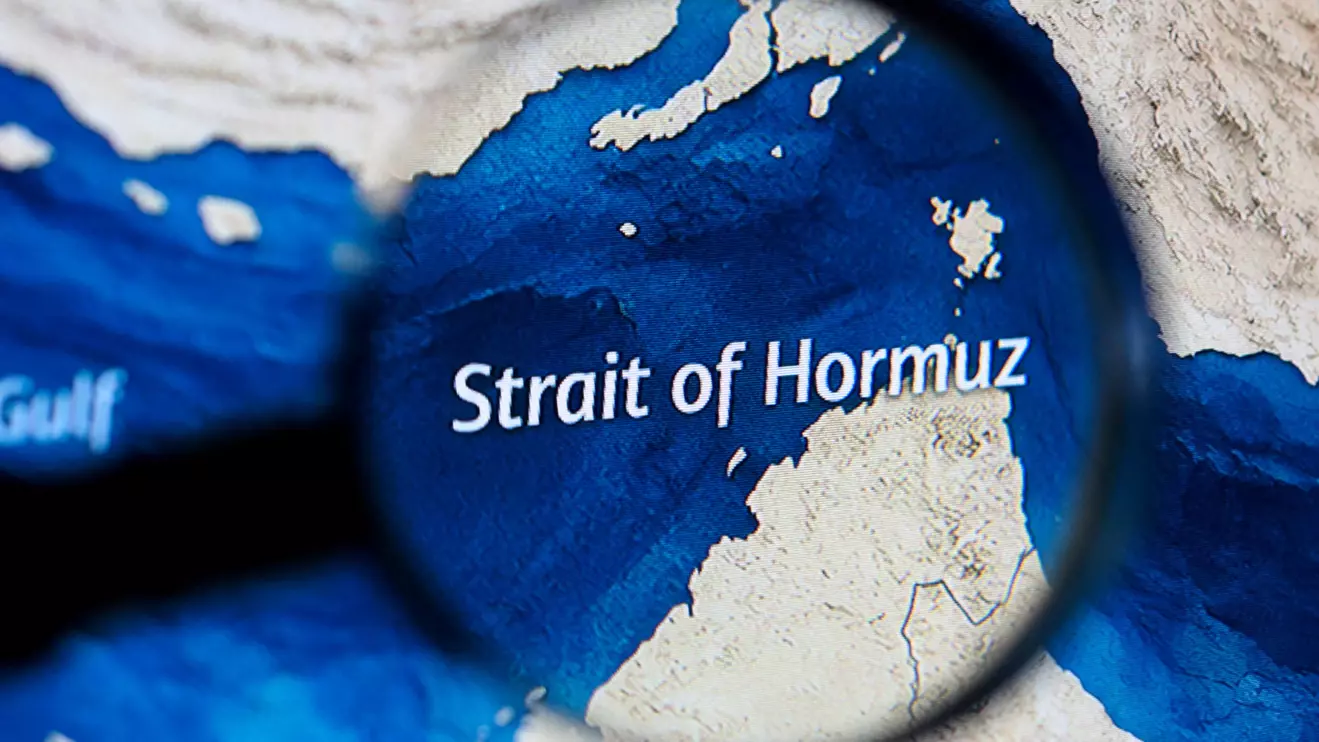
The blockade adds to uncertainty around how ships will transit the Strait of Hormuz, a crucial waterway used to move one-fifth of the world's oil and gas supplies.
Iran's threats to shipping have caused global oil prices to skyrocket about 50% since the U.S. and Israel launched the war on February 28.
The blockade efforts in the Strait of Hormuz will not fall on the U.S. Coast Guard, at least for now, a U.S. official told Reuters. In part, the official said, because the six Coast Guard vessels that had been in the Middle East were sent to Asia during the early days of the war.
Thousands of U.S. military strikes have severely weakened Iran's military. But analysts say Tehran has emerged from the conflict as a vexing problem for Washington, with a more hardline leadership and a buried stockpile of highly enriched uranium.
By Idrees Ali and Phil Stewart