Alliances are easy in times of comfort. Governments sign papers. Leaders shake hands. Speeches are made about friendship and partnership.
But the real meaning of an alliance appears only when danger arrives and decisions must be made.
The confrontation with Iran in 2026 is one of those moments. For years the world discussed the Iranian regime as a diplomatic problem that could always be delayed.
Negotiations extended. Warnings were issued. Meanwhile missiles multiplied, proxy armies spread across the region and underground nuclear facilities continued to grow.
Eventually reality has a way of arriving.
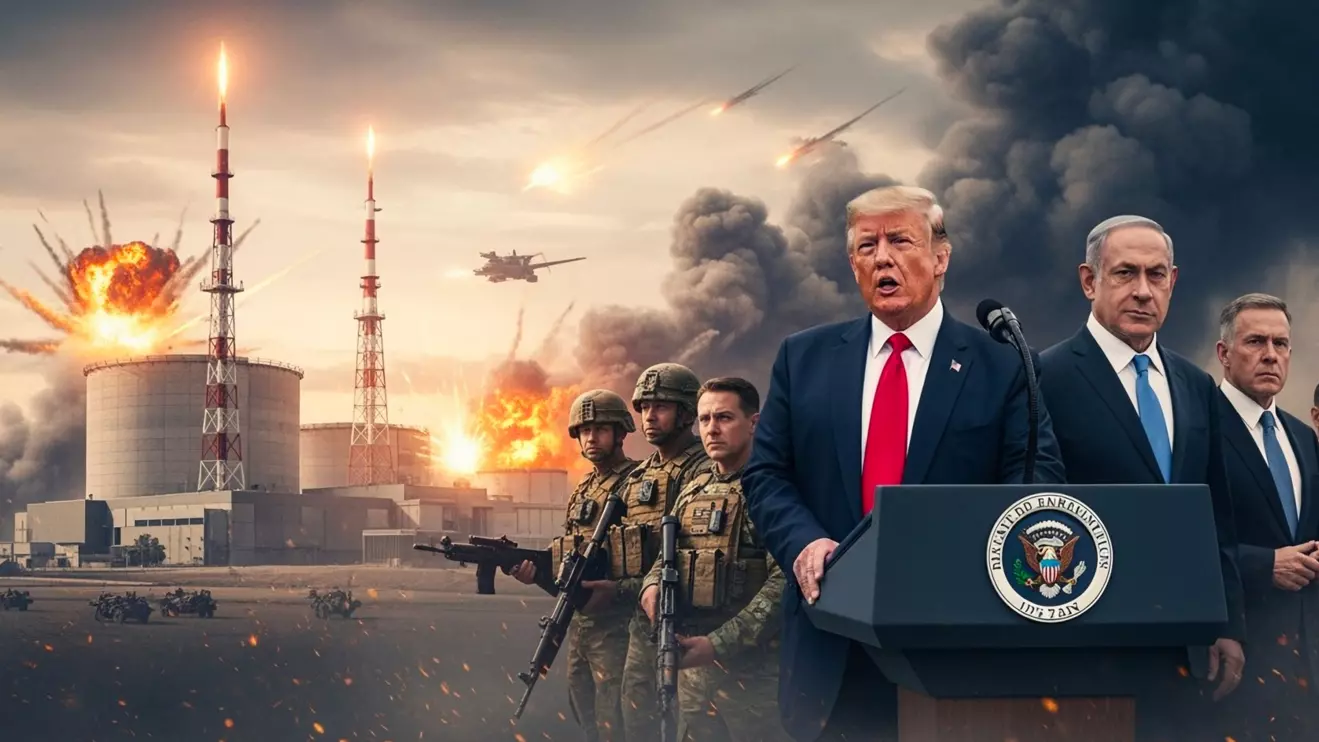
When the conflict finally erupted the map of the Middle East changed quickly. Shipping lanes trembled. Energy markets reacted instantly. Governments that had spent years speaking cautiously suddenly faced a regime that had built its strategy on intimidation and escalation.
In moments like this a simple question emerges
Which countries can actually act
Israel can.
For decades this small country built something remarkable. Intelligence networks that see far beyond its borders.
Missile defense systems that protect its cities from waves of rockets. A technological culture capable of turning laboratories and start ups into tools of national defense. A society accustomed to pressure yet constantly producing innovation science and industry.
These qualities are not abstract. They become power when history accelerates.
In the confrontation with Iran the United States is not standing beside a passive client state waiting to be protected. It is operating with a nation that spent generations preparing for the most difficult strategic environment imaginable.
Intelligence. Cyber capability. Precision strike technology. Operational experience in a region where hesitation often carries fatal consequences.
Many countries benefit from American protection. That is the architecture of the modern world. But only a few strengthen American power in return.
What this moment reveals is not simply a regional conflict. It reveals the rare case of a country that consistently multiplies the strategic capacity of the West rather than merely depending on it.
Iran’s rulers believed time was on their side. They assumed threats could be repeated indefinitely. They assumed that democratic societies would always hesitate before confronting a revolutionary regime determined to destabilize the region.
History is now answering those assumptions.
When the pressure rises and the stakes become global alliances are no longer defined by speeches or declarations. They are defined by capability resolve and the willingness to confront danger directly.
In that kind of moment something remarkable becomes visible
A country that looks small on a map can change the balance of an entire region.