Trump calls Iran the 'most destructive force,' vows it won't get nuclear weapon

1 min Mena Today

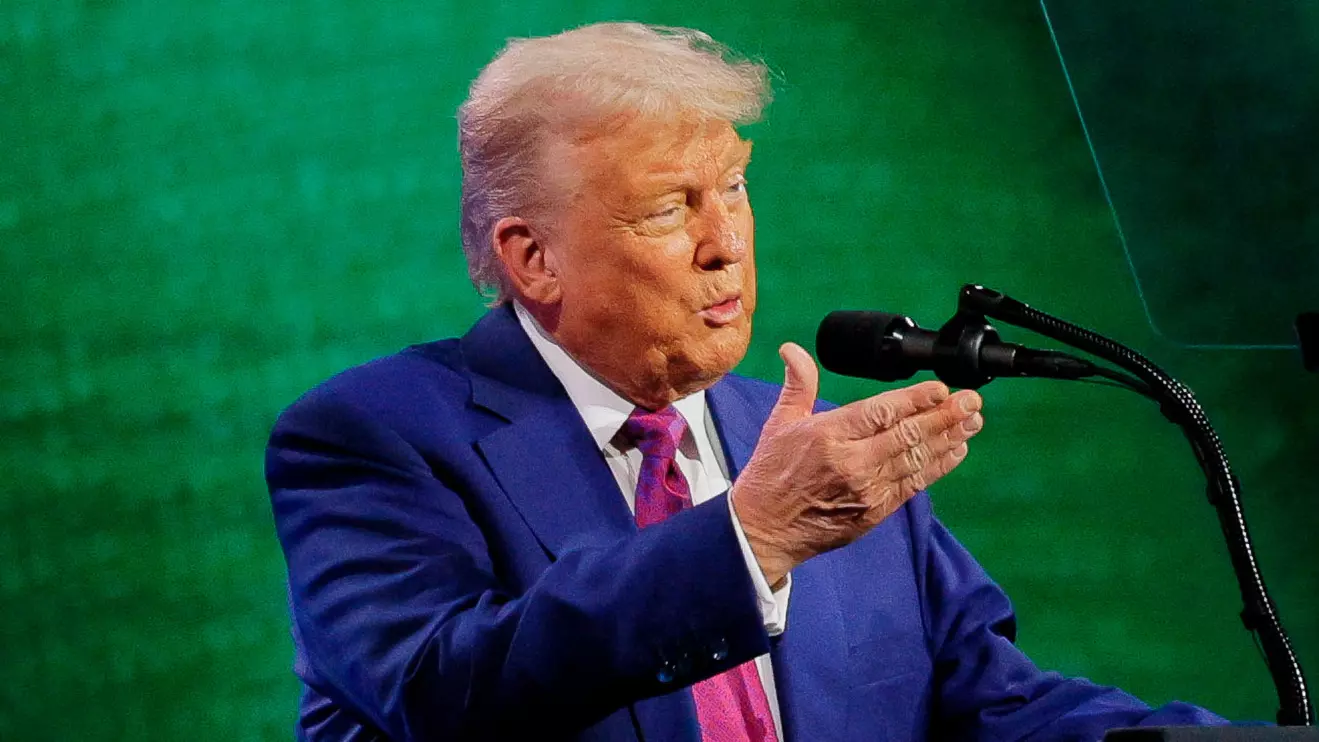
U.S. President Donald Trump on Tuesday called Iran the "most destructive force" in the Middle East, blaming Tehran for instability across the region and warning that the United States will never allow it to obtain a nuclear weapon.

U.S. President Donald Trump attends the Saudi-U.S. Investment Forum, in Riyadh, Saudi Arabia, May 13, 2025. Reuters/Brian Snyder

U.S. President Donald Trump attends the Saudi-U.S. Investment Forum, in Riyadh, Saudi Arabia, May 13, 2025. Reuters/Brian Snyder

U.S. President Donald Trump on Tuesday called Iran the "most destructive force" in the Middle East, blaming Tehran for instability across the region and warning that the United States will never allow it to obtain a nuclear weapon.

Offering what he described as both a final warning and a potential opening for diplomacy, Trump said Iran has a choice between continuing its "chaos and terror" or embracing a path toward peace.

Tehran has repeatedly denied accusations of fomenting Middle East instability.

Trump said he was willing to strike a new deal with the Islamic Republic but only if its leaders changed course.

"I want to make a deal with Iran," he said. "But if Iran's leadership rejects this olive branch..., we will have no choice but to inflict massive maximum pressure."

Speaking at an investment summit in the Saudi capital Riyadh, Trump warned that "Iran will never have a nuclear weapon", and said his offer for a deal won't last forever.

Trump also drew a stark contrast between what he called the "constructive vision" of Saudi Arabia and the "collapse and suffering" he said had been caused by Iranian leaders.

"There could be no sharper contrast with the path you have pursued on the Arabian Peninsula than the disaster unfolding right across in the Gulf of Iran," Trump added.

By Gram Slattery and Nandita Bose

Related

Yemen

Red Sea Ttade hit by Houthi escalation

Ship traffic through Bab el-Mandeb fell on Sunday after Yemeni Houthis attacked Saudi oil installations along the Red Sea coast, while transit through the Strait of Hormuz stayed low over the weekend, shipping data from Kpler showed on Monday.

Israel

Trump announces Netanyahu US visit

President Donald Trump said on Saturday that Israeli Prime Minister Benjamin Netanyahu will visit the U.S. next week.

Yemen

Houthis hit Saudi oil, US bombing pause raises questions

Yemen's Iran-aligned Houthi militants fired on Saudi oil installations in two ports on the Red Sea coast on Saturday, but the United States held back from launching air strikes on Iran itself for the first night in two weeks.

Subscribe to our newsletter

Mena banner 4

To make this website run properly and to improve your experience, we use cookies. For more detailed information, please check our Cookie Policy.

  • Necessary cookies enable core functionality. The website cannot function properly without these cookies, and can only be disabled by changing your browser preferences.