Washington is preparing for a high-stakes diplomatic moment on Thursday as U.S. President Donald Trump brings together Rwandan President Paul Kagame and Democratic Republic of Congo (DRC) President Felix Tshisekedi to sign two major agreements aimed at cooling decades of conflict in the Great Lakes region and unlocking massive Western investment in critical minerals.
But behind the headlines, two actors have played a strategic, steadying role in making this moment possible: Togo and Qatar, the key mediators working behind the scenes to keep dialogue alive where traditional diplomacy has stalled.
Togo’s Faure Gnassingbé: The African Union’s Stabilizing Hand
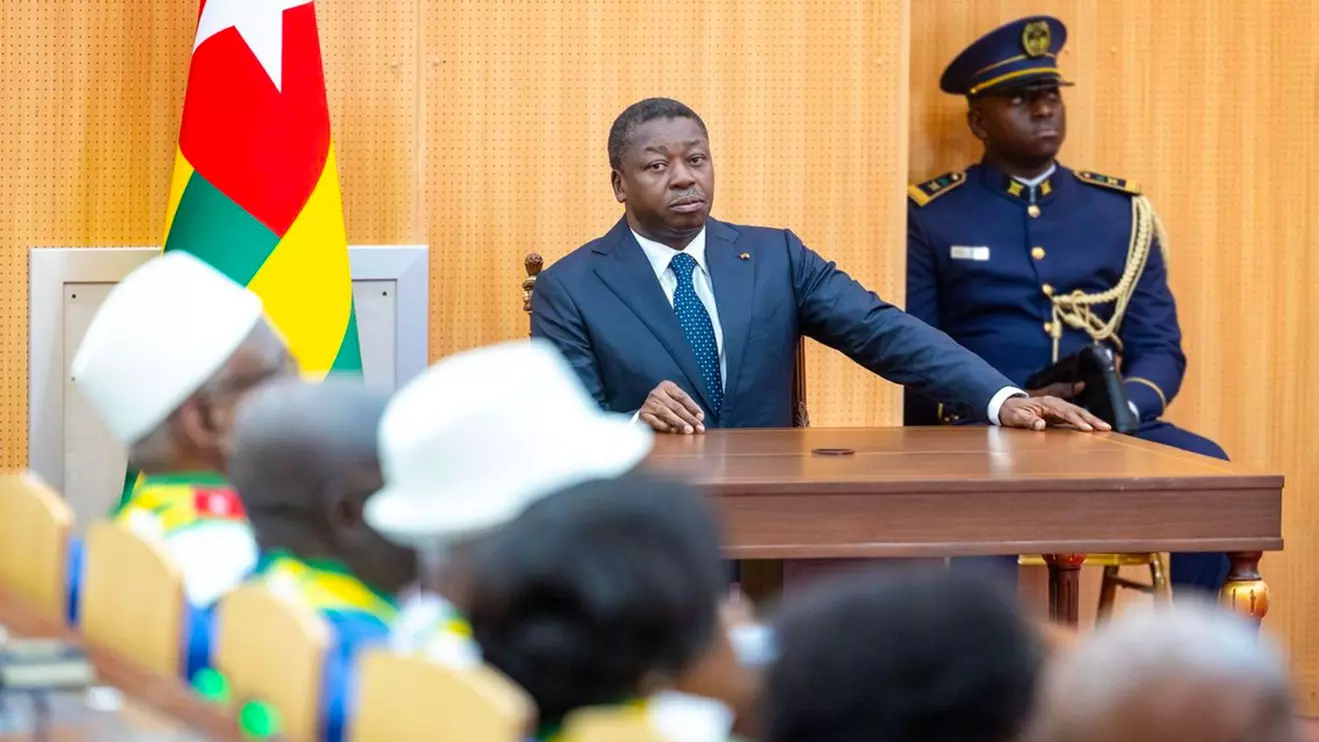
Togo’s President of the Council, Faure Gnassingbé, designated by the African Union as mediator in the Congo–Rwanda crisis, will join the ceremony in Washington. His presence is far from symbolic.
Over the past months, Gnassingbé has conducted shuttle diplomacy across Africa and beyond, working discreetly to maintain channels of communication between Kigali and Kinshasa while pushing for an African-led resolution. His efforts helped preserve the fragile framework of dialogue even as fighting escalated on the ground.
Diplomats say Togo has provided something rare in the region’s geopolitics:
“A trusted and neutral African voice capable of talking to everyone.”
Qatar’s Influence: Quiet Power in a Complex Conflict
Doha has also emerged as a decisive player. Qatar, which co-mediated earlier rounds of negotiations with the United States, helped craft the architecture of the peace plan being finalized this week. Its diplomatic reach — stretching from African capitals to Washington and Brussels — has helped build momentum for a deal that many thought unattainable.
Sources involved in the process say Qatar’s role was crucial in maintaining pressure for de-escalation, securing commitments from both sides, and aligning regional partners behind the U.S.-backed framework.
Thursday’s meeting is expected to seal: an economic integration compact between DRC and Rwanda, a U.S.-brokered peace agreement reached in June but never implemented
The United States hopes the deal will stabilize eastern Congo long enough to facilitate billions of dollars in Western investment in cobalt, copper, lithium, tin and other strategic minerals — a race against China’s dominance in the sector.
But renewed clashes this week underscore the fragility of the moment. Congo’s army and M23 rebels exchanged accusations of ceasefire violations on Tuesday, with Kinshasa calling the fighting “proof that Rwanda doesn’t want peace.”
The rebel group M23 — not invited to Washington and not bound by the agreement — remains the greatest uncertainty hanging over the process.
U.S. diplomacy has been credited with preventing a wider regional war, but experts say Washington has yet to address fundamental grievances.
“All they've done is put a pin in the conflict — the core issues have not been resolved,” said Jason Stearns, associate professor at Simon Fraser University.
The Congo–Rwanda rivalry has fueled cycles of violence for nearly three decades, leaving millions dead since the wars of 1996–2003. The latest M23 advance — capturing the two largest cities of eastern DRC earlier this year — revived fears of another regional collapse.