Iran
It's difficult to read Trump
After nearly nine months of war, the United States and Iran are each acting as if they have time on their side, a calculation that has locked them in a stalemate that is almost impossible for either to break.

President Donald Trump said on Thursday that the US will not launch an attack on Iran before November's US midterm congressional elections, asserting that the two countries are having "productive" talks about ending the six-month-old war.
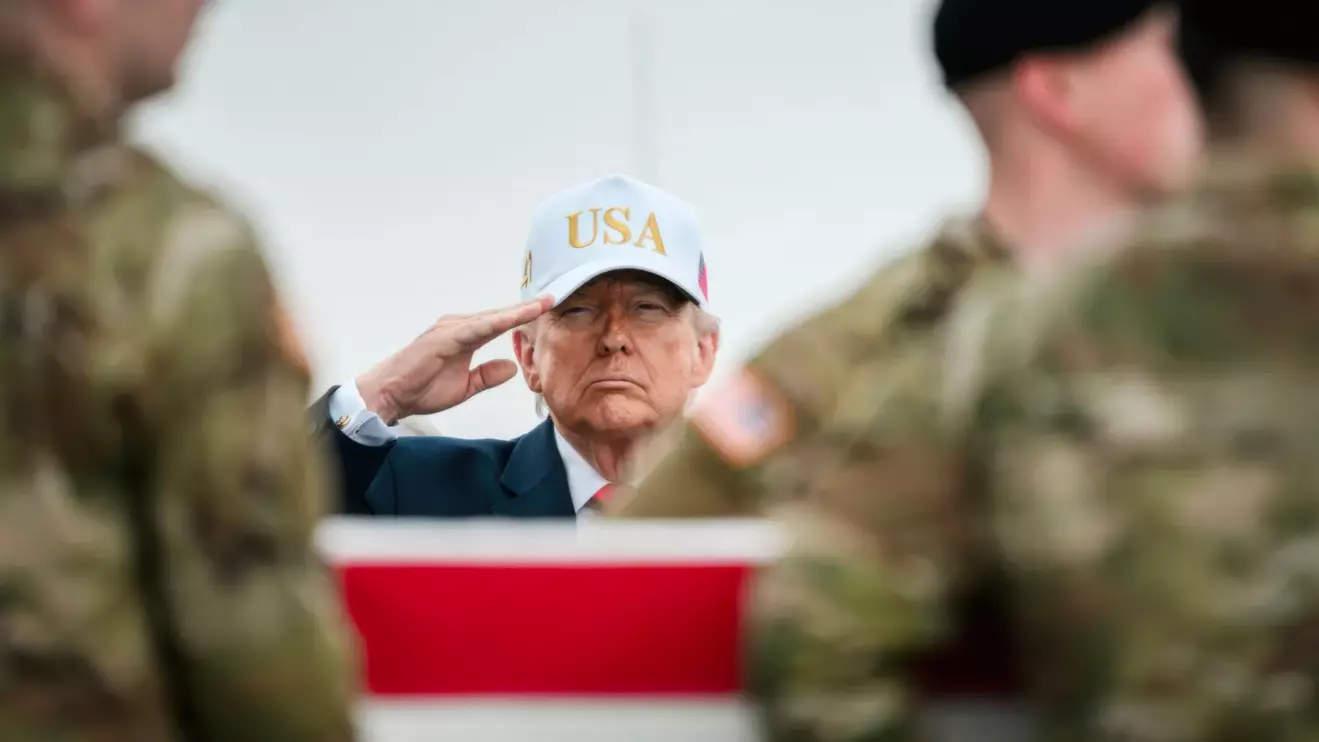
Donald Trump © Mena Today
President Donald Trump said on Thursday that the US will not launch an attack on Iran before November's US midterm congressional elections, asserting that the two countries are having "productive" talks about ending the six-month-old war.
"We are having productive discussions with the Islamic Republic of Iran," Trump wrote in a post on Truth Social. "We will not be attacking Iran at any time prior to the midterm elections to be held in the United States on November 3rd."
The war, which began in February when the US and Israel launched strikes on Iran, has helped drive Trump's domestic approval ratings downward and is weighing heavily on his fellow Republicans as they seek to preserve their narrow legislative majorities in November's election.
Some 60% of Americans — including one in four Republicans — disapprove of how Trump is handling the situation in Iran, according to a recent Reuters/Ipsos poll. The conflict has pushed gasoline prices sharply higher at a time when voters say their top concern is the cost of living.
Trump has repeatedly said he expects oil prices to drop after the elections, but he has not offered a detailed plan for exiting the war.
Iran and the US have exchanged proposals in recent weeks aimed at ending the war and reopening the Strait of Hormuz, a vital global energy shipping route. Trump rejected Tehran's latest offer.
Iran's state media reported on Thursday that Tehran would not abandon uranium enrichment or hand over its uranium stockpile, citing the head of the country's Atomic Energy Organization, days after US Vice President JD Vance told Reuters that Iran must make "meaningful" reductions in its enrichment capacity.
The US, Israel and Western allies have long accused Iran of seeking nuclear weapons, an accusation Iran has denied.
Reporting by Ismail Shakil in Ottawa, Doina Chiacu in Washington and Joseph Ax in Princeton, New Jersey
After nearly nine months of war, the United States and Iran are each acting as if they have time on their side, a calculation that has locked them in a stalemate that is almost impossible for either to break.
German authorities on Tuesday outlawed a Berlin-based association, al-Irschad (“guidance” in Arabic), and three affiliated groups, accusing them of supporting Lebanon’s Hezbollah.
Just six months after coming to power as a political novice, Iraq's Prime Minister Ali al-Zaidi is planning his riskiest move yet: directly confronting the heavily armed Shi'ite militias that function as proxies of Iran.
To make this website run properly and to improve your experience, we use cookies. For more detailed information, please check our Cookie Policy.
Necessary cookies enable core functionality. The website cannot function properly without these cookies, and can only be disabled by changing your browser preferences.