Turkey needs Iranian gas. The problem is that the Middle East is on fire, and the timing could hardly be worse.
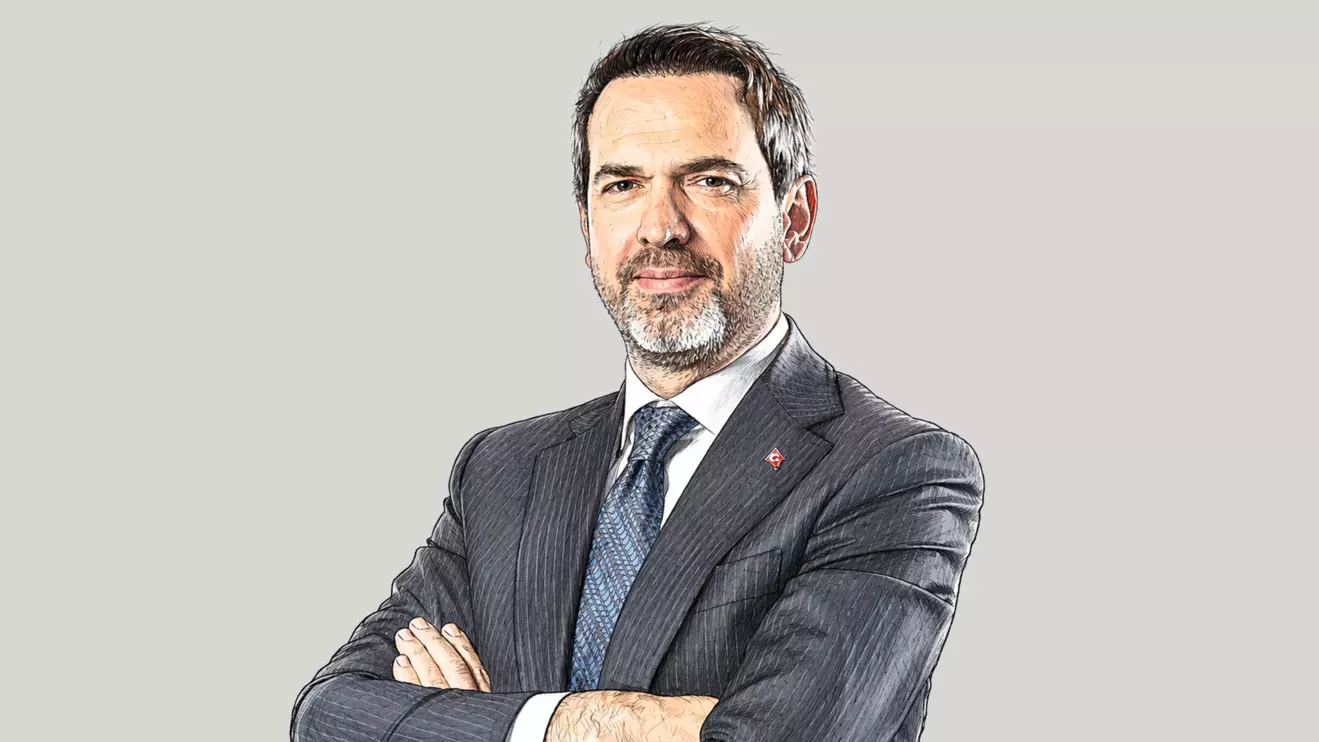
Turkish Energy Minister Alparslan Bayraktar made Ankara's position unambiguously clear on Saturday at a diplomatic forum in Antalya: Turkey intends to continue importing natural gas from Iran beyond this year, when the current bilateral contract is set to expire.
"We need to procure gas from Iran to guarantee our supply security", he stated plainly.
Iran supplies approximately 13% of Turkey's total gas imports, making it the third largest energy partner after Russia and Azerbaijan.
For a country already heavily dependent on external energy sources, losing or disrupting Iranian supply would represent a serious strategic vulnerability.
Yet the minister was candid about the obstacles ahead: "We have not started negotiations due to the current circumstances in the region."
With conflict raging across the Middle East and diplomatic channels strained, sitting down to renegotiate a long-term energy deal with Tehran is, for now, off the table.
The cost of regional instability is already being felt by Turkish households. Earlier this month, Ankara announced a 25% increase in electricity and gas prices, a direct consequence of supply disruptions and market uncertainty triggered by the Middle East conflict.
Minister Bayraktar also used the forum to deliver a broader strategic message, pointing to tensions in the Strait of Hormuz as a wake-up call: "It reminds us once again how crucial diversification is for a country's energy security."
Caught Between Need and Circumstance
Turkey's dilemma is a microcosm of a wider global challenge: how to secure affordable energy in an era of geopolitical fragmentation.
Ankara wants the deal. Tehran needs the revenue. But between intention and negotiation stands a region in turmoil, and neither side can predict when the dust will settle.