UN urges Lebanon and Israel to break the deadlock

1 min Antoine Khoury

With the first anniversary of the Lebanon–Israel ceasefire approaching, the UN Special Coordinator for Lebanon, Jeanine Hennis-Plasschaert, told the Security Council on Thursday that “the time for dialogue and negotiations is now.”

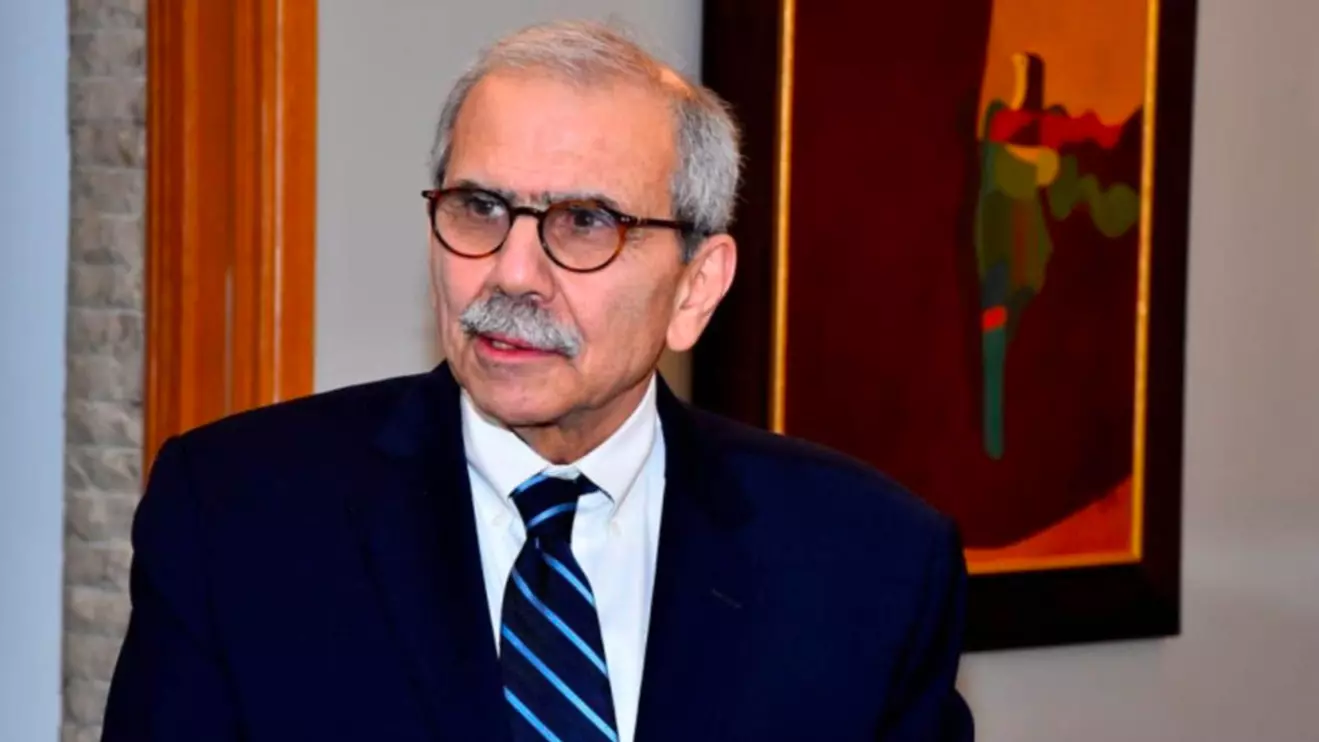
Nawaf Salam © This is Beirut 

Nawaf Salam © This is Beirut 

With the first anniversary of the Lebanon–Israel ceasefire approaching, the UN Special Coordinator for Lebanon, Jeanine Hennis-Plasschaert, told the Security Council on Thursday that “the time for dialogue and negotiations is now.”

Briefing members on the implementation of Resolution 1701 alongside UN peacekeeping chief Jean-Pierre Lacroix, Hennis-Plasschaert said the shifting regional context has created “unique opportunities” for both sides. Lebanon, she stressed, “must seize this moment,” and Israel “must do the same.”

She warned that Israel’s continued military activity across Lebanon, as well as the presence of its forces north of the Blue Line, remain clear violations of Lebanese sovereignty. The current situation, she said, “serves neither Israel’s nor Lebanon’s strategic interests” and risks “greater instability—if not today, then tomorrow.”

While acknowledging progress since the ceasefire, the UN envoy emphasized urgent priorities: restarting dialogue, restoring state authority across the country, and advancing reforms needed to unlock international financial support. 

She praised the Lebanese Army’s efforts against non-state weapons, but stressed that “the army alone cannot deliver Resolution 1701.”

Lebanese Prime Minister Nawaf Salam said Thursday that Beirut is ready to negotiate with Israel and would seek U.S. support to facilitate talks, describing Israel’s lack of response so far as “a mystery.” 

He also insisted that Hezbollah’s disarmament “is underway,” while calling for better equipment for the Lebanese Army amid Israel’s escalating strikes in the south.

Antoine Khoury

Antoine Khoury

Antoine Khoury is based in Beirut and has been reporting for Mena Today for the past year. He covers news from Lebanon, Syria, Jordan, and Turkey, and is widely regarded as one of the region’s leading experts

Related

Lebanon

Hezbollah's last gamble: A military suicide in slow motion

The Lebanese government has suffered a catastrophic loss of credibility. Just months ago, Prime Minister Nawaf Salam confidently announced the near-total disarmament of Hezbollah in southern Lebanon and along the Israeli border, a declaration welcomed by Western capitals eager to believe the region was stepping back from the brink.

Lebanon

Hezbollah's entry into Iran crisis deepens its isolation at home

Hezbollah’s decision to enter the Middle East war in support of its patron Iran has opened a rift with its main political ally at home in Lebanon, leaving the group deeply isolated as the country lurches into another devastating conflict with Israel.

Iran

Sanchez chose the wrong side, and called it courage

Pedro Sanchez has once again chosen to place himself firmly on the wrong side of history, doubling down Wednesday on his refusal to support the U.S.-Israeli campaign against Iran, threatening the cohesion of NATO and exposing himself as the Western leader most willing to provide diplomatic cover for a theocratic regime that has spent decades sponsoring terrorism across the globe.

Subscribe to our newsletter

Mena banner 4

To make this website run properly and to improve your experience, we use cookies. For more detailed information, please check our Cookie Policy.

  • Necessary cookies enable core functionality. The website cannot function properly without these cookies, and can only be disabled by changing your browser preferences.