United Arab Emirates
Epstein files trigger investor pullback from DP World
Two major institutional investors have suspended new investments in DP World following the release of fresh documents related to the Jeffrey Epstein case.
The United States and the east Mediterranean island of Cyprus on Wednesday agreed to boost cooperation, amid a backdrop of increasing turmoil in the neighbouring Middle East.
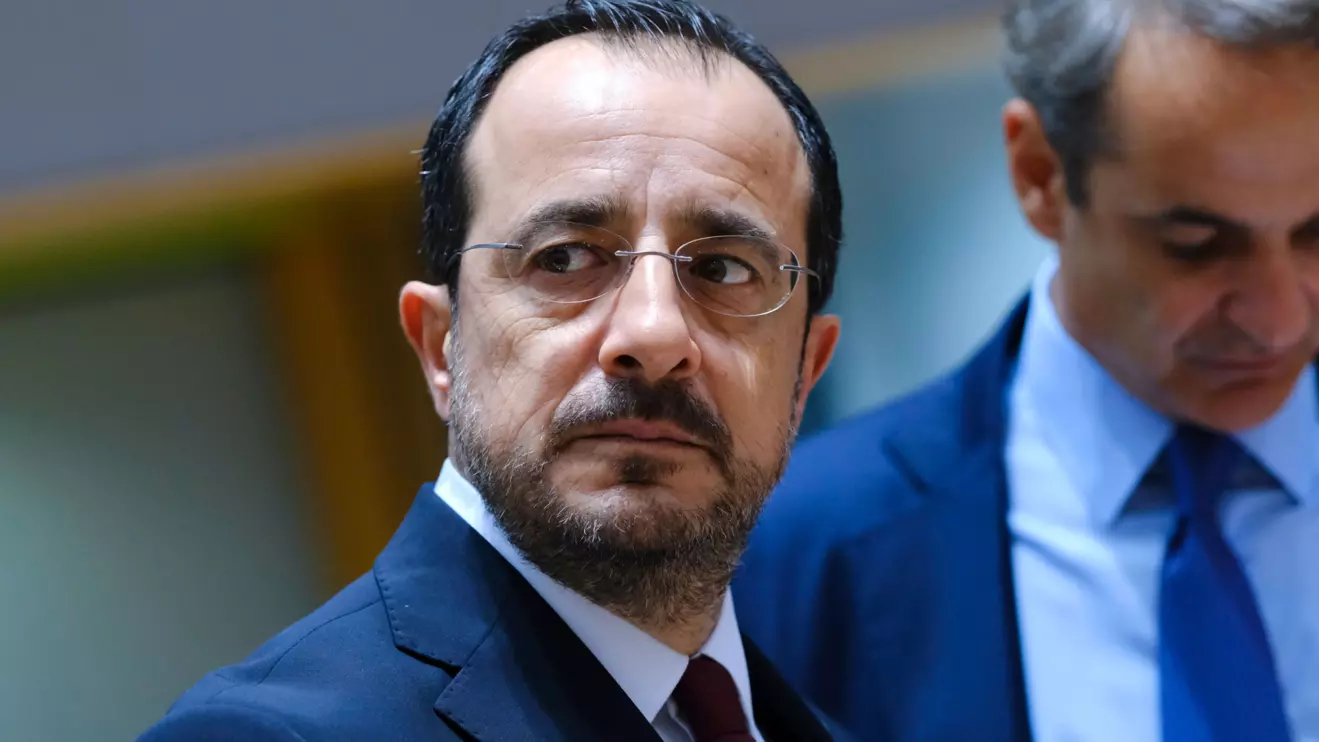
Cyprus' President Nikos Christodoulides © Mena Today
The United States and the east Mediterranean island of Cyprus on Wednesday agreed to boost cooperation, amid a backdrop of increasing turmoil in the neighbouring Middle East.
A strategic dialogue, which the two countries agreed upon in June, encompasses a range of topics from security and law enforcement to energy cooperation, education and investment.
Officials from the two countries met in Cyprus in the first round of talks on Wednesday to discuss furthering cooperation.
"The Strategic Dialogue reflects the shared resolve of the Republic of Cyprus and the United States to enhance bilateral and regional security, foster economic innovation and prosperity, and uphold shared democratic values and respect for international law," the two countries said in a joint statement.
Relations between the U.S. and Cyprus have become closer in recent years, as the island has firmly pivoted its focus to the west.
Progress on that front is closely followed by Turkey, which in September criticised the signing of a roadmap to boost two-way defence co-operation between the United States and Cyprus, calling it detrimental to the interests of Turkish Cypriots in the breakaway north of the island.
Reporting By Michele Kambas
Two major institutional investors have suspended new investments in DP World following the release of fresh documents related to the Jeffrey Epstein case.
The United States and Iran are showing flexibility on a nuclear deal, with Washington appearing "willing" to tolerate some nuclear enrichment, Turkish Foreign Minister Hakan Fidan told the Financial Times in an interview published Thursday.
Lebanon’s government will decide next week how to move to the second phase of a plan to extend its authority and place all arms under state control in areas north of the Litani River, its information minister said on Wednesday.
To make this website run properly and to improve your experience, we use cookies. For more detailed information, please check our Cookie Policy.
Necessary cookies enable core functionality. The website cannot function properly without these cookies, and can only be disabled by changing your browser preferences.