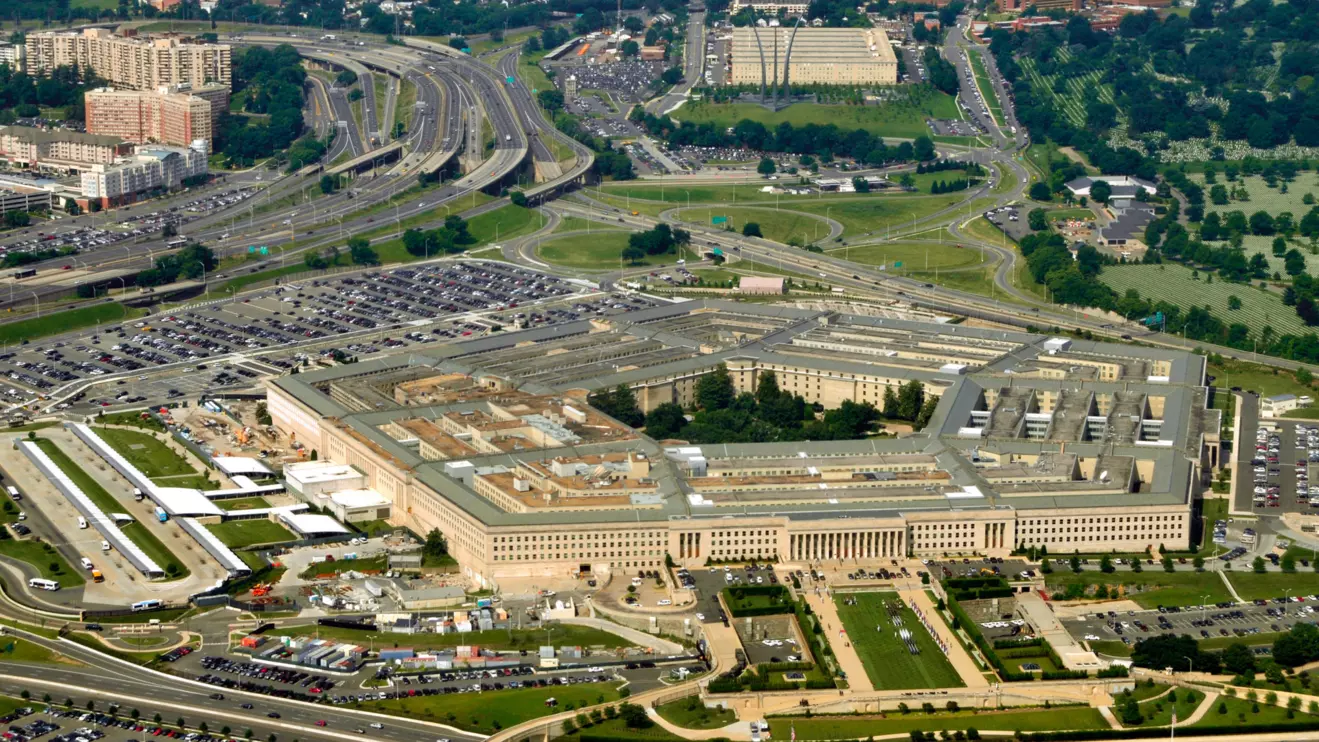
The Pentagon has elevated its counterintelligence threat assessment regarding Israel to its highest possible level, multiple American media outlets reported, a dramatic development that lays bare the deepening tensions between two countries that launched a joint war against Iran just months ago.
The Defense Intelligence Agency declared that Israel's capacity to conduct human espionage and technical collection operations had reached a "critical level," according to NBC News, citing US officials.
At the heart of the concern: allegations that Israel attempted to spy on senior American officials to gain intelligence on the Trump administration's internal deliberations over Middle East policy. The New York Times reported that targets allegedly included Steve Witkoff, President Trump's lead negotiator, and Elbridge Colby, the Pentagon's top policy official.
The timing is extraordinary. The United States and Israel launched coordinated strikes against Iran on February 28, triggering the regional war that has since reshaped the Middle East. Yet behind the scenes, Washington and Jerusalem appear to have been watching each other as closely as they were watching Tehran.
Relations between Trump and Israeli Prime Minister Benjamin Netanyahu have visibly cooled since the war began, diverging priorities over Lebanon, Iran's nuclear programme and the terms of any ceasefire deal have created real friction between the two allies.
Spying on your closest partner's chief negotiator is not the behaviour of an ally that trusts the process.
It is the behaviour of one that has decided to hedge its bets, and got caught.