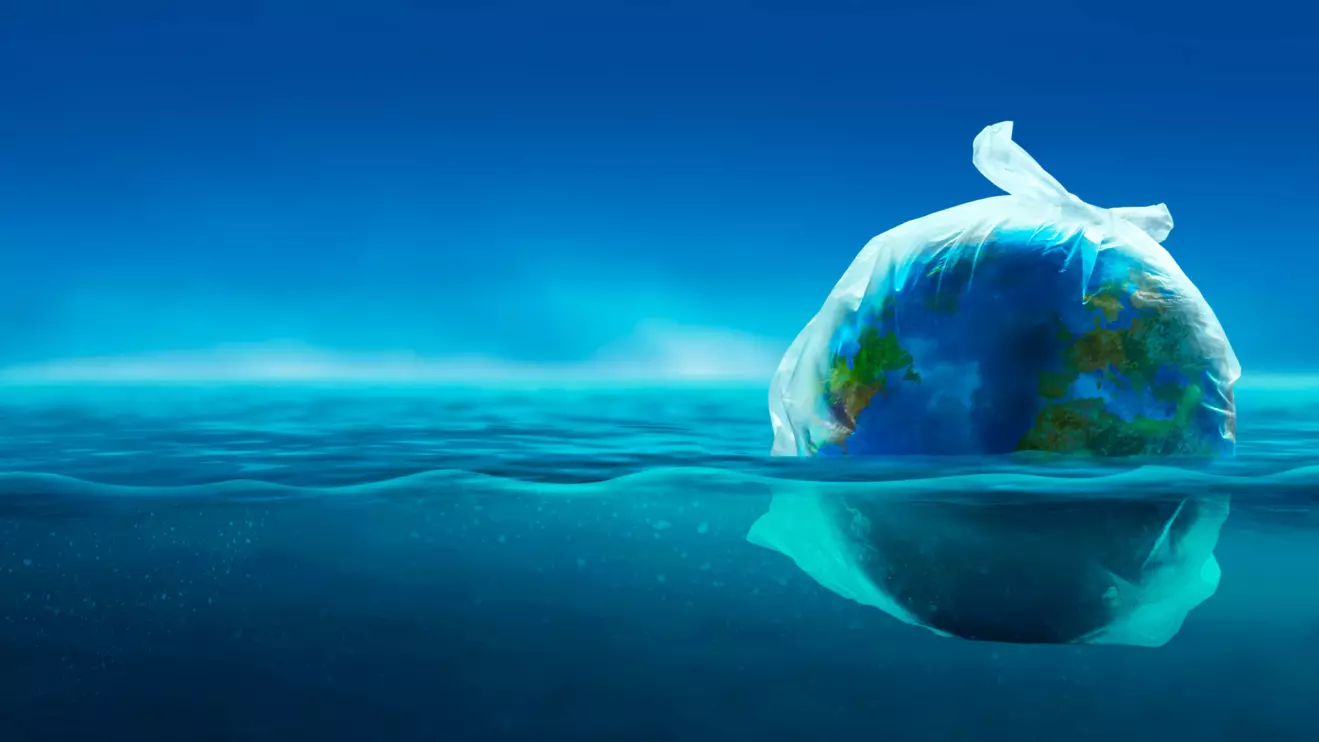
Doubts rose on sealing a global treaty to curb plastic pollution on the last day of scheduled talks, as over 100 countries pushed to cap production while a handful of oil-producing countries wanted to focus only on plastic waste.
The fifth and final U.N. Intergovernmental Negotiating Committee meeting to yield a legally binding global treaty was set to wrap up in Busan, South Korea, on Sunday.
However, the plenary session to hammer out a potential outcome did not start until about 9 p.m. (1200 GMT).
A treaty could be the most significant deal relating to environmental protection as well as climate-warming emissions since the 2015 Paris Agreement.
Countries remained far apart on Sunday on the basic scope of the treaty. An option proposed by Panama, backed by over 100 countries, would create a path for a global plastic production reduction target, while another proposal did not include production caps.
The fault line had been apparent in a revised document released on Sunday by the chair of the meeting, Luis Vayas Valdivieso, which could form the basis of a treaty but remained riddled with many options on the most divisive issues: capping plastic production, managing plastic products and chemicals of concern, and financing to help developing countries implement the treaty.
Some negotiators and environmental groups observing the talks expressed profound disappointment.
"If you're calling for a high, ambitious treaty, it means that (it's) calling for obligations, commitments on the part of all parties," said Dr. Sam Adu-Kumi, Lead Negotiator for Ghana.
If there was no such ambitious treaty, "it means that we have to go and come back another time, not Busan but maybe somewhere else," Dr. Adu-Kumi told Reuters.
A smaller number of petrochemical-producing nations such as Saudi Arabia have strongly opposed efforts to target plastic production and have tried to use procedural tactics to delay negotiations.
Saudi Arabia did not have an immediate comment.
China, the United States, India, South Korea and Saudi Arabia were the top five primary polymer producing nations in 2023, according to data provider Eunomia.
"If you're not contributing constructively, and if you're not trying to join us in having an ambitious treaty... then please get out," Fiji's chief negotiator, Climate Minister Sivendra Michael, told a press conference.
HOURS REMAINING
With just hours remaining for scheduled talks and consensus seemingly out of reach, some negotiators and observers openly talked about what could happen next if negotiations collapsed or were extended to another session.
Even if a legally-binding treaty is not reached at Busan, "this is a multilateral process that can keep working towards that goal," Mexico's head of delegation, Camila Zepeda, told Reuters.
"We have ... a coalition of the willing, over a hundred countries that want this, and we can start working together" on a way forward, she said.
Some negotiators said a few countries were holding the proceedings hostage, avoiding compromises needed by using the U.N.'s consensus process, whereby all member states agree to adopt a text without a vote.
Senegal's National Delegate Cheikh Ndiaye Sylla called it "a big mistake" to exclude voting during the entire negotiations, an agreement made last year during the second round of talks in Paris.
Plastic production is on track to triple by 2050, and microplastics have been found in air, fresh produce and even human breast milk.
Chemicals of concern in plastics include more than 3,200 found according to a 2023 U.N. Environment Programme report, which said women and children were particularly susceptible to their toxicity.
"If it (the text) does not have the provisions of what we expect from an ambitious treaty, then we will ... go back to the same process pushing for an ambitious treaty," Sivendra said.
"Nobody is going to leave Busan with a weak treaty."