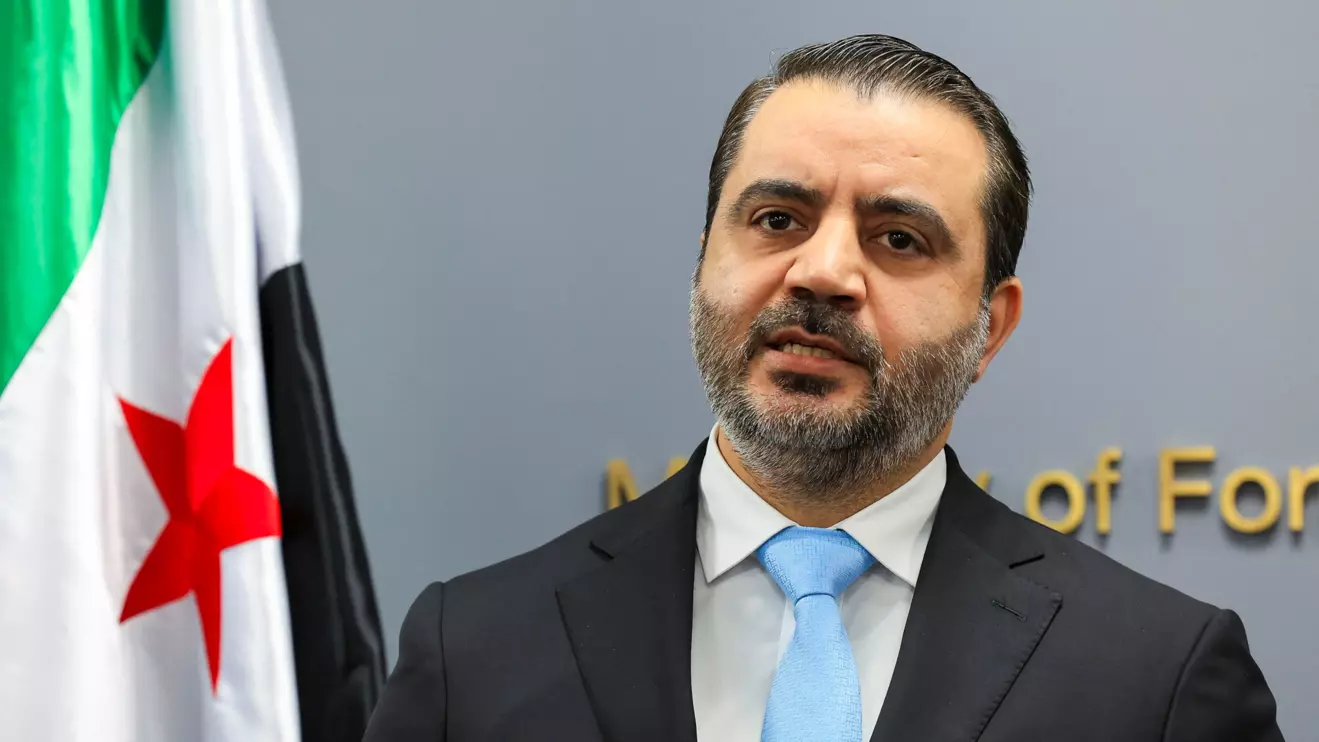
The European Union is taking its most significant step toward re-engaging with Syria since the fall of Bashar al-Assad, as EU foreign ministers meet Syrian Foreign Minister Asaad al-Shaibani in Brussels Monday to launch a high-level political dialogue.
The timing, eighteen months after Assad's ousting, reflects both the urgency of Syria's humanitarian crisis and Europe's strategic interest in the country's stabilisation. Nearly 13 million Syrians, roughly half the population, currently require food assistance. The EU has already pledged €620 million in financial aid for 2026-2027.
The centrepiece of Monday's talks is the expected reactivation of the EU-Syria cooperation agreement, suspended in 2011 following the Assad government's brutal crackdown on protesters. Before the suspension, EU-Syria trade reached approximately €7 billion annually. By 2023, it had collapsed to just €368 million in total, a fraction of its former volume that Brussels is keen to rebuild.
The EU also wants to go further, opening negotiations toward a full association agreement, similar to those already concluded with Egypt, Israel and Lebanon, though officials acknowledge this process will take considerable time.
In the interim, Brussels plans to facilitate access to financing for Syrian businesses, support agricultural recovery and sign a health cooperation agreement to rehabilitate a major hospital in the Homs region.
Lurking beneath the diplomatic language is a more politically charged agenda: the fate of the approximately one million Syrian refugees in Germany alone.
Chancellor Friedrich Merz has expressed his desire to see 80% return home within three years, a figure he later attributed to Syrian President Ahmad al-Sharaa himself.