Iranian authorities see the truce with the United States and Israel as a strategic victory, but they emerge battered and isolated with an economy in tatters, little prospect of rapid recovery and an impoverished, embittered population.
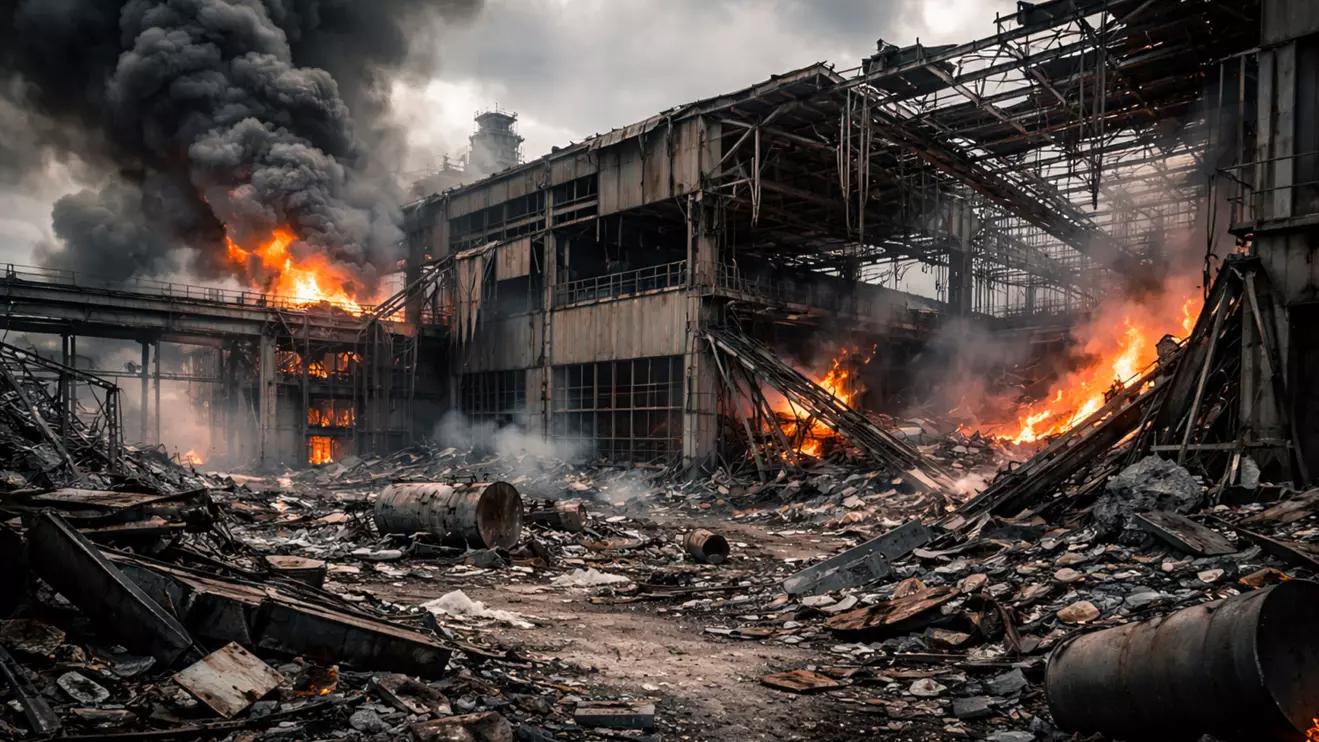
After weeks of U.S. and Israeli strikes, many Iranians have lost their jobs. Prices have surged. Factories, power plants, railways, airports and bridges have been destroyed. And the critical trading relationship with Gulf states has been severed - maybe for decades.
Even as Iran appears emboldened on the regional stage after exerting its control over crucial energy supplies, it faces mounting internal problems that might ultimately pose a greater threat to the Islamic Republic than Israeli or U.S. bombs.
NEED FOR SANCTIONS RELIEF
In interviews with Iranian political insiders, business owners and analysts, Reuters charted a country near the brink of economic collapse, its leaders fearful of a poorer, uncertain future.
Always hovering in the background is the threat of another bout of nationwide street protests such as those that erupted in January which authorities eventually put down by killing thousands of people - a higher death toll than Iran has suffered during the war.
Anxiety that the broken economy could spur new rounds of protests haunted every government decision, a reformist former official said, while a political insider close to the Iranian establishment said officials regarded the economy as the country's Achilles heel.
Any comprehensive peace agreement would need to lift international sanctions and release frozen funds or authorities would face severe difficulties even to meet payroll obligations, let alone repair damaged infrastructure, the insider said. This would eventually put into doubt the leadership's ability to govern the country of 90 million people, they added.
"We can't really see the extent of damage and blowback inside Iran. But on any metric it's a fiasco for Iran - there's no money and the infrastructure is shot," said Ali Ansari, a professor of history at St Andrews University.
"Closing Hormuz was the option of last resort and the fact they did so tells you they're desperate. It's a diminishing return because the cost for Iran in the medium to long term is going to be absolutely enormous," he added.
Arash, the owner of a small clothing factory in the northern city of Tabriz, said he had been forced to halt production, putting his 12 employees temporarily out of work.
"Even now I don't know when I'll be able to reopen. It all depends on when this really comes to an end," he said.
IRAN'S MAJOR INDUSTRIES HAMMERED
One Iranian official said the scale of damage meant the biggest industrial facilities driving the economy would take months or years to repair and the country "will face a disaster" if sanctions are not lifted.
Damage to factories and other industrial sites created a chain reaction, forcing dozens of other companies depending on major facilities to halt their own work, leaving many thousands of people out of work, the official added.
Strikes have targeted Iran's production facilities at the South Pars gas field, which cost billions of dollars to build. Other attacks have hit its main petrochemicals producers.
Iranian press reports have charted shutdowns at the massive steel works in Khuzestan and Isfahan, with many thousands of workers affected at each plant, along with closures at industrial zones on the Gulf coast affected by power plant outages.
Even if Iranian industry can be revived, critical relationships have been poisoned by Tehran's targeting of Gulf states during the war.
The United Arab Emirates in particular was important to Iran's economic relations with the outside world.
A UAE official said it was possible that ties between Iran and Gulf states could eventually recover because they would remain neighbours. But Iran's strikes on Gulf countries created "a huge trust gap that in my opinion will last for decades to come," the official added.
One Iranian businessman based in Dubai, the Gulf's biggest international economic centre, said he was relocating his export-import business to Oman.
POPULAR FRUSTRATION GROWING
Iran's government has issued no new economic data since the war began and the difficulty in reporting inside the country means a comprehensive accounting of the economic problems is hard to define.
Umud Shokri, senior visiting fellow at George Mason University, said sanctions, inflation, currency depreciation, mismanagement and energy shortages had already greatly weakened the economy before war damage was layered on top.
Shokri said some estimates suggested the war could shrink the economy by 10% this year and that any positive impact from high oil prices or sanctions evasion networks would likely benefit state-linked entities rather than the wider population.
"While exact figures vary, millions are experiencing job losses, income reductions or business closures," Shokri said.
On the streets, the background economic noise is not yet deafening. Residents of Tehran and other cities said there were no shortages of goods, while markets, shops, many businesses, banks and government offices were all working as usual.
But they described rising prices - in some cases of around 40% since the war began - and a reluctance to buy anything other than necessities, with one art gallery owner in the capital saying her business was "effectively dead".
Another senior Iranian source said there had been several high-level meetings devoted to keeping the economy running with limited resources and that a truce, and the prospect of a longer-term ceasefire, might give more leeway for government spending.
Since the war began, the Iranian state has already subsidised people who were forced to flee their homes, along with outlays on urgent repairs to crucial infrastructure.
However, the end of the conflict would also mean people starting to grow more impatient with the authorities than was the case when bombs were falling, the senior Iranian source added.