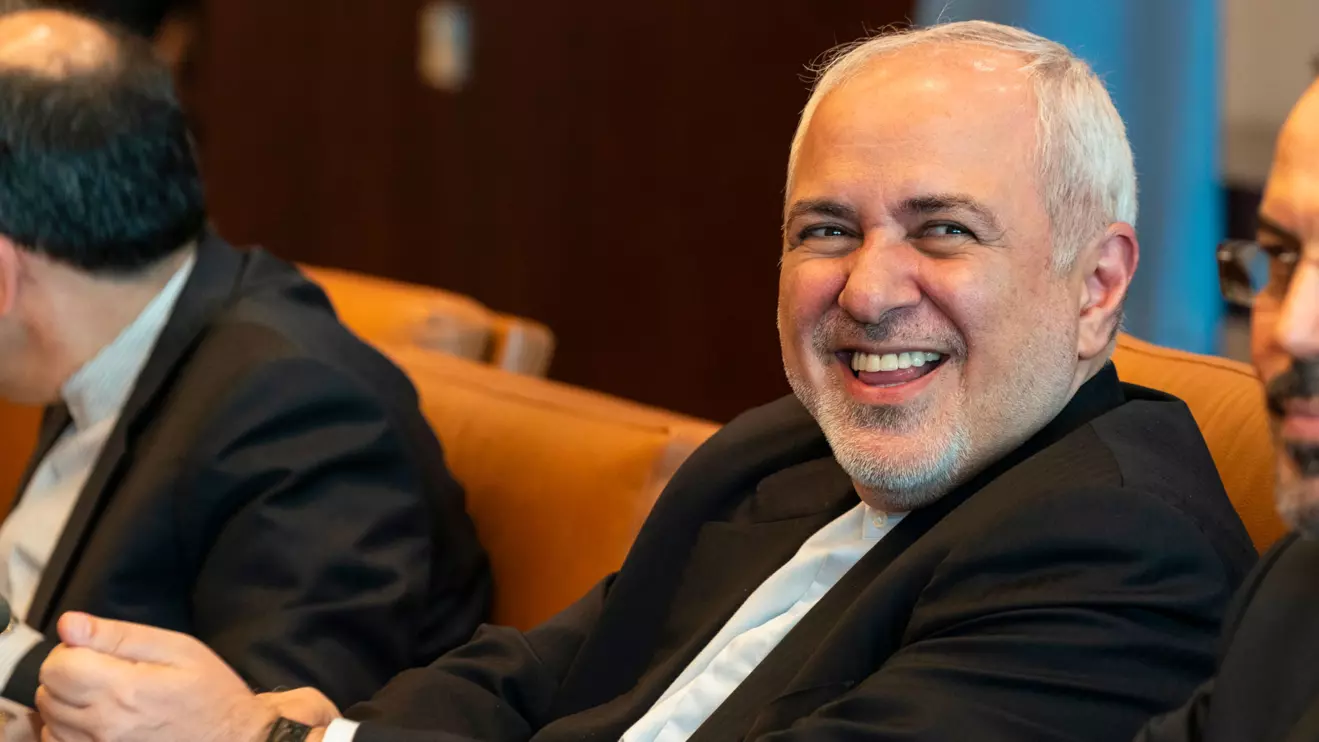
One of Iran's most experienced and internationally respected diplomats has broken the silence that has enveloped Tehran since the outbreak of war.
Mohammad Javad Zarif, foreign minister from 2013 to 2021 and the principal architect of the 2015 nuclear agreement, has publicly called on Iran to negotiate a peace settlement with the United States, the first senior Iranian figure to do so since hostilities began on February 28.
In a newspaper column that carries the full weight of his diplomatic credentials, Zarif argued with notable directness: Tehran must "conclude a deal" with Washington. The price of that deal, he suggested, would involve two of the most politically charged concessions imaginable in the current Iranian context, meaningful restrictions on the nuclear programme, and the reopening of the Strait of Hormuz.
Zarif is not just any former official. Educated in the United States, fluent in English, and long regarded as a pragmatist - or, in the highly charged language of Iranian politics, a "moderate" - he spent decades as the face of Iranian diplomacy that the West could engage with.
His negotiation of the JCPOA in 2015 represented the high-water mark of Iranian diplomatic opening. When he speaks, the world listens. And when he speaks on peace, Tehran cannot entirely ignore him.
He no longer holds any official position. That is precisely what makes his intervention remarkable. Freed from the constraints of office, he has chosen this moment, the most dangerous in Iran's recent history, to say publicly what many in Tehran's pragmatist camp may be thinking privately: this war cannot be won, and the cost of continuing it is becoming unbearable.