Israel
Israel coalition talks: Liberman’s U-turn opens path
The Yisrael Beytenu leader says he is ready to compromise, even on military service for yeshiva students, but still rules out any deal with Arab parties.

Israel has not given a response to France on Paris' proposals to reduce tensions between Israel and Lebanon's Iran-backed Hezbollah, France's foreign ministry spokesperson said on Thursday.
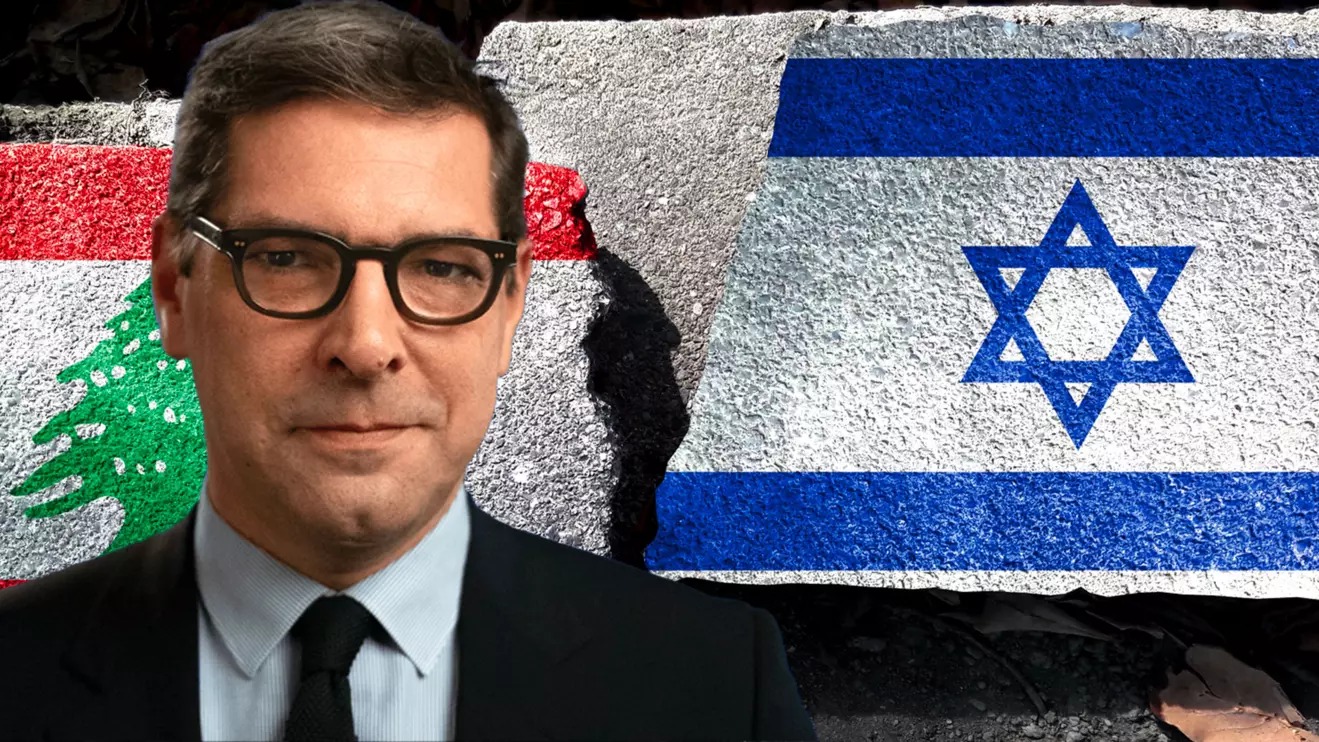
Christophe Lemoine © Mena Today
Israel has not given a response to France on Paris' proposals to reduce tensions between Israel and Lebanon's Iran-backed Hezbollah, France's foreign ministry spokesperson said on Thursday.
Israel and Hezbollah have been engaged in escalating daily cross-border strikes over the past months - in parallel with the war in Gaza - and their increasing range and sophistication has raised fears of a wider regional conflict.
France has historical ties with Lebanon and has proposed written proposals to both sides that would see Hezbollah's elite unit pull back 10 km (6 miles) from the Israeli border, while Israel would halt strikes in southern Lebanon.
Foreign Minister Stephane Sejourne went to both Lebanon and Israel in April to push France's efforts, and Israel's foreign minister was in Paris earlier this month. Lebanon's foreign minister was in Paris for talks on Wednesday.
"We have had a relatively positive response from the Lebanese, but I think we have not had any return from Israel at this point," Christophe Lemoine told reporters in a daily briefing.
The written proposal also looks at long-term border issues and had been discussed with partners including the United States, which has its own efforts to ease tensions and exerts the most influence on Israel.
The Shi'ite Muslim Hezbollah has amassed a formidable arsenal since a 2006 war with Israel and since October thousands of people on both sides of the border have been displaced by the clashes.
Reporting by John Irish
The Yisrael Beytenu leader says he is ready to compromise, even on military service for yeshiva students, but still rules out any deal with Arab parties.
Israel’s flag carrier grew third-quarter revenue 18% to a record $1.27 billion. But fuel costs, a stronger shekel and the return of foreign competitors are starting to weigh on its margins.
Benjamin Netanyahu's position in the post-election battle to stay on as Israel's prime minister weakened on Thursday after an ultra-Orthodox Jewish party withheld support for any nominee and an Arab-led party endorsed his main opponent.

To make this website run properly and to improve your experience, we use cookies. For more detailed information, please check our Cookie Policy.
Necessary cookies enable core functionality. The website cannot function properly without these cookies, and can only be disabled by changing your browser preferences.