
Israel
Gaza envelope population tops pre-October 7 levels
Thousands of newcomers are joining returning evacuees, a quiet verdict on who won the southern front.

King Abdullah II of Jordan began an official visit to Hungary on Thursday, where he held high-level meetings with President Tamás Sulyok, Prime Minister Viktor Orbán, and members of the Hungarian Parliament.
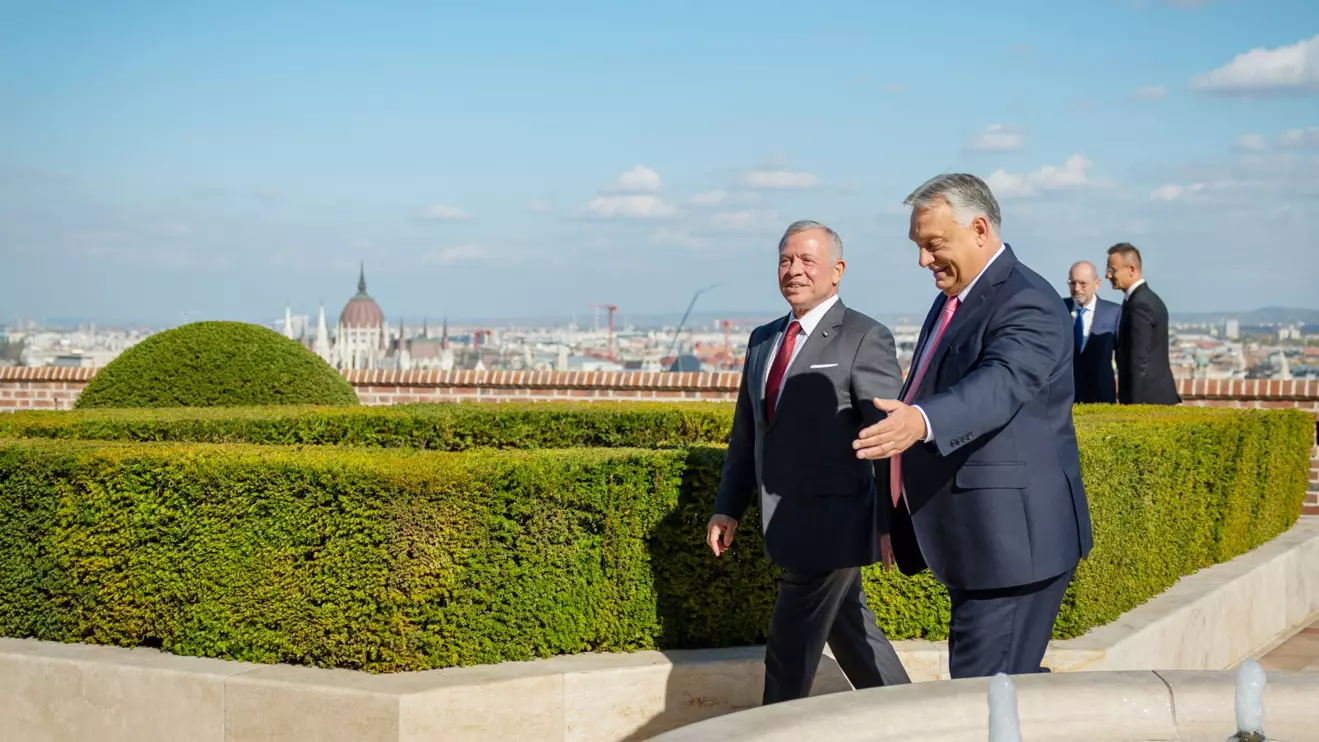
The King of Jordan with the Hungarian Prime Minister © RHC
King Abdullah II of Jordan began an official visit to Hungary on Thursday, where he held high-level meetings with President Tamás Sulyok, Prime Minister Viktor Orbán, and members of the Hungarian Parliament.
At the heart of the discussions was the implementation of the Gaza peace plan put forward by former U.S. President Donald Trump. The two sides exchanged views on the latest developments in the Middle East and reaffirmed the importance of coordinated efforts to achieve lasting peace and stability in the region.
Beyond regional affairs, the meetings also focused on strengthening Jordan-Hungary bilateral ties. The king and his Hungarian counterparts discussed mechanisms for expanding cooperation across various sectors in ways that serve the mutual interests of both nations.
King Abdullah underscored Jordan’s role in promoting regional stability and stressed the need for international collaboration in supporting peace initiatives and addressing humanitarian challenges, particularly in Gaza.
This visit reflects Jordan’s ongoing diplomatic engagement with European partners amid evolving geopolitical dynamics in the Middle East.
Thousands of newcomers are joining returning evacuees, a quiet verdict on who won the southern front.
Turkish President Tayyip Erdogan said it was unrealistic to expect all countries to make the same progress on climate policy while inequalities in access to financing and technology persisted, adding he expected support from all nations for Turkey's COP31 Climate Summit action agenda.
Turkey and Iraq agreed on Wednesday for Turkish forces to hand over a military camp in northern Iraq to the Iraqi government gradually, they said after talks in New York, adding they also agreed to end the presence of "outlawed armed elements" in northern Iraq.

To make this website run properly and to improve your experience, we use cookies. For more detailed information, please check our Cookie Policy.
Necessary cookies enable core functionality. The website cannot function properly without these cookies, and can only be disabled by changing your browser preferences.