Lebanon
Flydubai to resume Beirut flights on April 18
The gradual return of normalcy to Lebanon is gaining momentum. Flydubai, Dubai's second largest carrier after Emirates, has announced the resumption of its flights to Beirut on April 18.
Russian President Vladimir Putin spoke to United Arab Emirates President Sheikh Mohammed bin Zayed Al Nahyan about OPEC+ cooperation and Russia-U.S. talks on Ukraine, the Kremlin said on Monday.
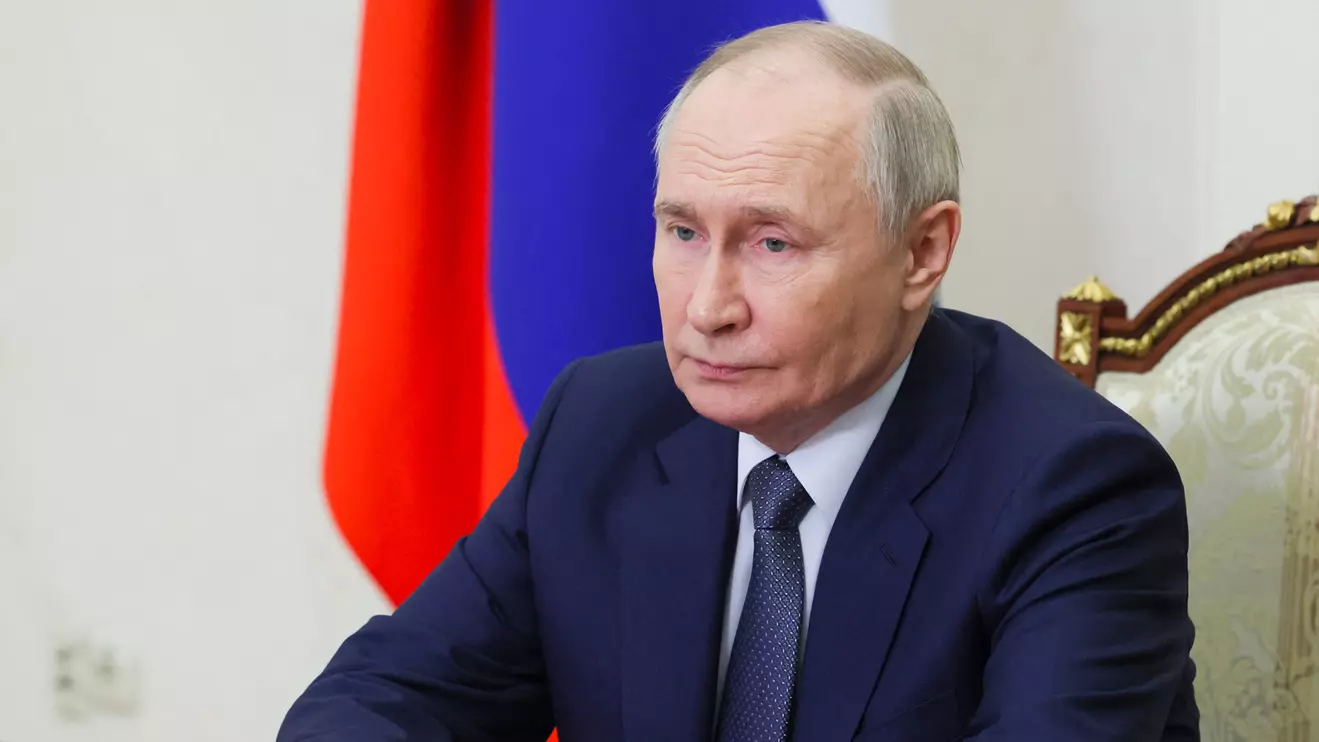
Russian President Vladimir Putin chairs a meeting with members of the Security Council via a video link in Moscow, Russia, March 21, 2025. Sputnik/Mikhail Metzel/Pool via Reuters
Russian President Vladimir Putin spoke to United Arab Emirates President Sheikh Mohammed bin Zayed Al Nahyan about OPEC+ cooperation and Russia-U.S. talks on Ukraine, the Kremlin said on Monday.
The presidents "gave a positive assessment" of the level of Russia-UAE strategic cooperation and advocated for "close coordination" within the OPEC+ producer group, the Kremlin said without providing specific details.
Both countries are crucial to OPEC+ agreements and play a vital role in ensuring market stability.
According to the Kremlin, the UAE president expressed his support for the Russia-U.S. dialogue on the conflict in Ukraine and welcomed the consultations between the two countries' expert groups taking place in Riyadh on Monday.
Putin also thanked the UAE president for mediating prisoner exchanges between Russia and Ukraine, the latest of which occurred on March 19, with each country handing back 175 prisoners of war.
Reporting by Antoine Khoury
The gradual return of normalcy to Lebanon is gaining momentum. Flydubai, Dubai's second largest carrier after Emirates, has announced the resumption of its flights to Beirut on April 18.
In a deal that could redraw regional trade routes and unlock the full potential of Jordan's vast mineral wealth, Amman and Abu Dhabi have signed a landmark $2.3 billion railway agreement, one of the most significant infrastructure partnerships the Middle East has seen in years.
French Foreign Minister Jean-Noël Barrot’s latest comments on Israel-Lebanon talks reflect a troubling gap between rhetoric and reality.
To make this website run properly and to improve your experience, we use cookies. For more detailed information, please check our Cookie Policy.
Necessary cookies enable core functionality. The website cannot function properly without these cookies, and can only be disabled by changing your browser preferences.